
September 4, 2026
Articles
Articles
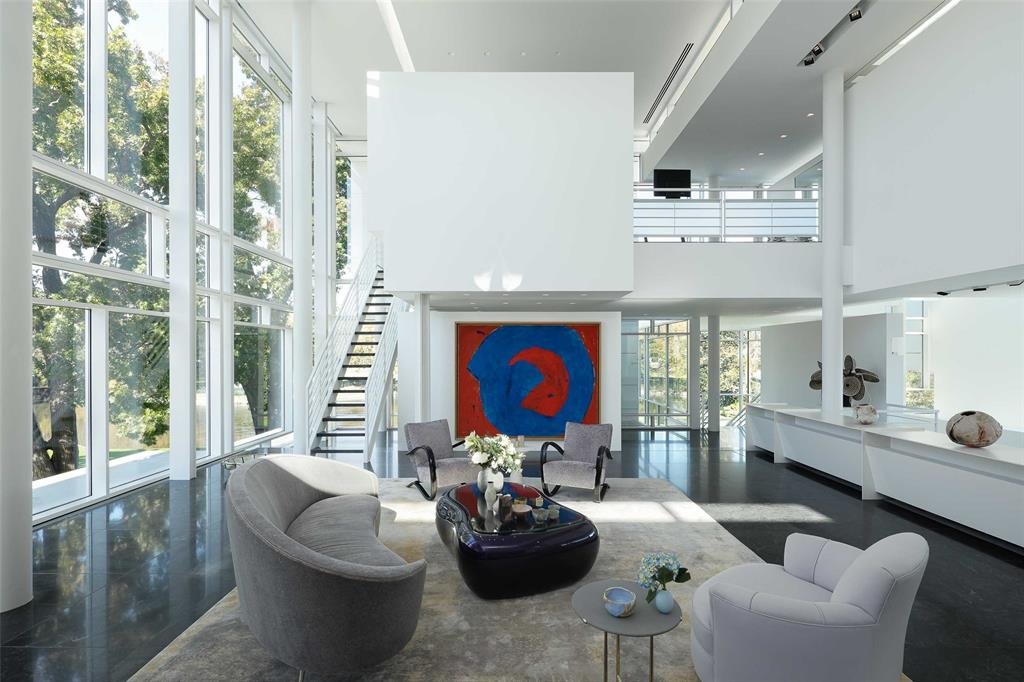
With Richard Meier’s Rachofsky House entering a new chapter, its most revealing legacy is the way Cindy and Howard Rachofsky used architecture to keep a major contemporary collection in motion.
Before Art Basel Paris arrives in October, September brings a concentrated Paris season spanning Kerry James Marshall, Cezanne, Christian Marclay, Paris Design Week, Fine Arts Paris and a gallery-history exhibition in the Marais.
Paris in September 2026 is not merely the return from summer; it is the month when the city’s art ecosystem becomes legible again. Before Art Basel Paris and the full October rush, museums, galleries, design venues and the secondary-market world reopen in a sequence that is unusually useful for collectors. The result is a month in which one can move from contemporary painting to gallery history, from collectible design to nineteenth-century modernism, without the city feeling like a single fair week.
That breadth is the point. Paris has spent the past several years strengthening its position as a year-round market centre rather than a once-a-year destination. September 2026 shows what that looks like in practice: the Marais revisits one of its defining gallery addresses, White Cube opens new Christian Marclay work, Paris Design Week spreads across the city, Kerry James Marshall receives his first exhibition in France, Fine Arts Paris returns to the Grand Palais, and a major Cezanne exhibition opens just days later.
On 8 September, David Zwirner opens Au 108 rue Vieille du Temple: A Shared Legacy with Galerie Yvon Lambert, marking forty years since Yvon Lambert inaugurated his gallery at the same address on 20 September 1986. The exhibition brings together a broad roster associated with the histories of Lambert and Zwirner, including figures such as Jean-Michel Basquiat, Dan Flavin, Nan Goldin, On Kawara, Barbara Kruger, Brice Marden, Agnes Martin, Richard Serra and Cy Twombly.
This is more than an anniversary show. Gallery addresses are often treated as neutral containers, yet certain spaces become part of the market’s memory: they are where artists are introduced, reputations are consolidated and collector networks overlap. The exhibition makes that infrastructure visible. It also foregrounds the long exchange between Paris and New York that helped define late twentieth-century contemporary art.
For collectors, the value is historical orientation. Works by familiar artists can read differently when placed back into the gallery relationships and transatlantic conversations that helped establish them. Provenance, representation history and exhibition context are not decorative footnotes; they are part of how significance accumulates.

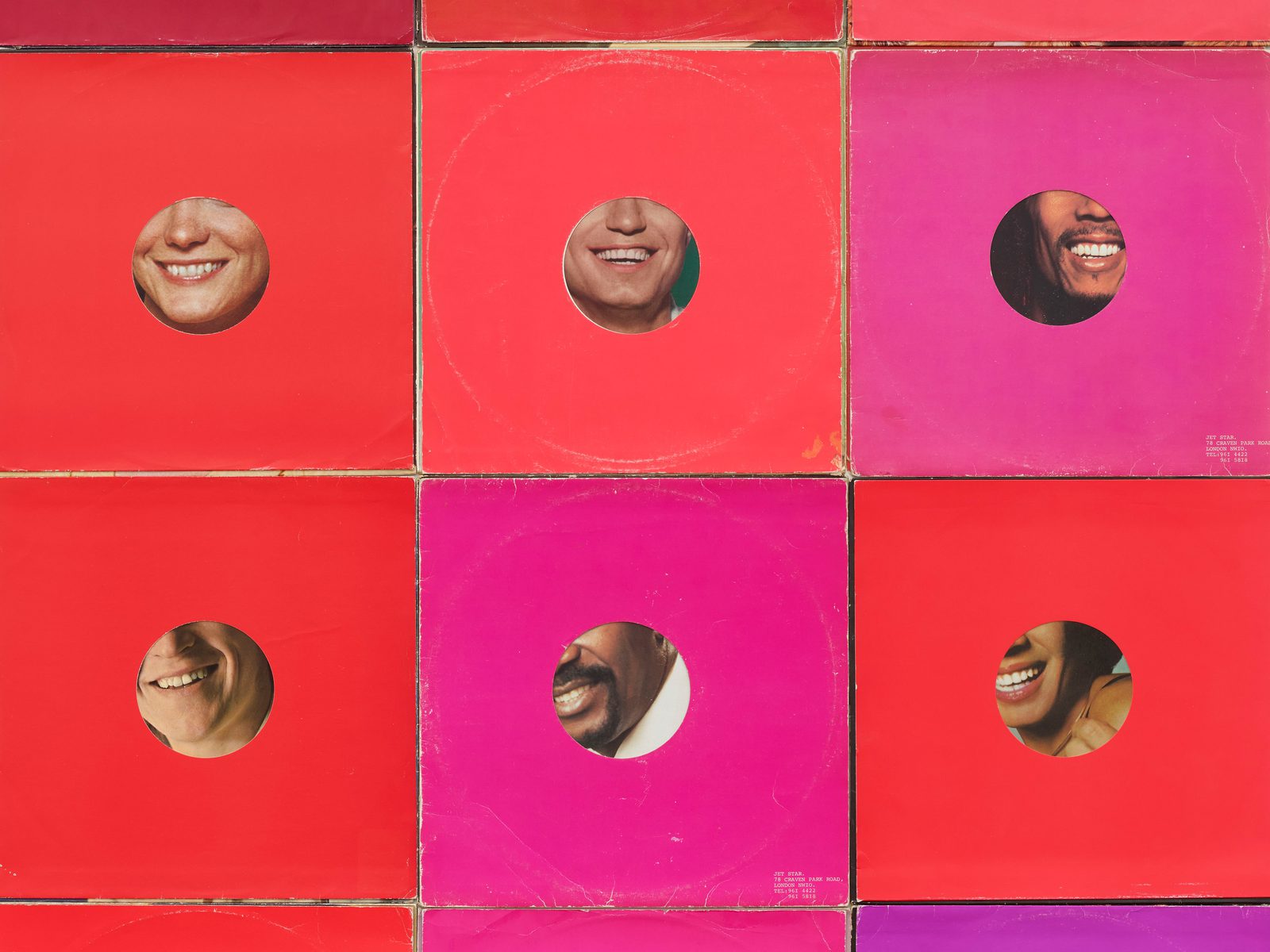
The following day, 9 September, White Cube Paris opens a new exhibition by Christian Marclay, running through 10 October. Marclay has spent more than four decades turning the material culture of sound into visual art, and this exhibition returns directly to the vinyl record as object.
New monotypes are made by inking paper sleeves and record covers in 7-, 10- and 12-inch formats, transferring folds, creases and signs of handling onto paper. A related collage series, Oculi, uses the circular apertures in vintage sleeves as framing devices, isolating fragments of images beneath.
The interest here is material memory. Vinyl is not only a carrier of sound; it is an object shaped by touch, storage, wear, collecting and nostalgia. Marclay converts those traces into unique impressions. In a market crowded with frictionless digital images, the insistence on handling, imperfection and physical residue feels particularly sharp.
From 10 to 19 September, Paris Design Week unfolds across multiple venues in the city, bringing established names, new studios, concept stores, exhibitions and the increasingly important field of collectible design into the same urban circuit. The City of Paris describes the 2026 edition as a ten-day programme with a strengthened focus on emerging designers and its Factory platform.
For art collectors, design week is no longer a side trip. The boundaries between contemporary art, limited-edition furniture, artist-designed objects and sculptural design have become increasingly porous. Many collections now move comfortably between a painting, a unique chair, a ceramic work and an architectural commission. Paris in September makes that crossover visible at street level rather than confining it to a specialist fair.
The most useful approach is selective. Rather than attempting to see everything, collectors can use Design Week to identify studios with coherent material languages, strong fabrication and disciplined edition structures. The same questions that matter in art—authorship, scarcity, provenance, condition and long-term significance—apply here too.
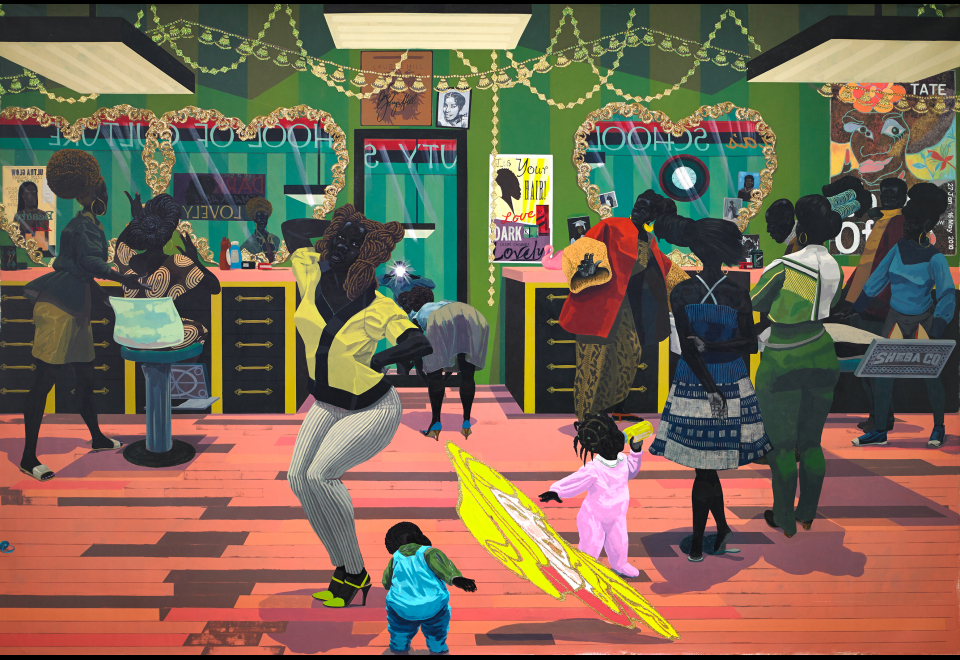
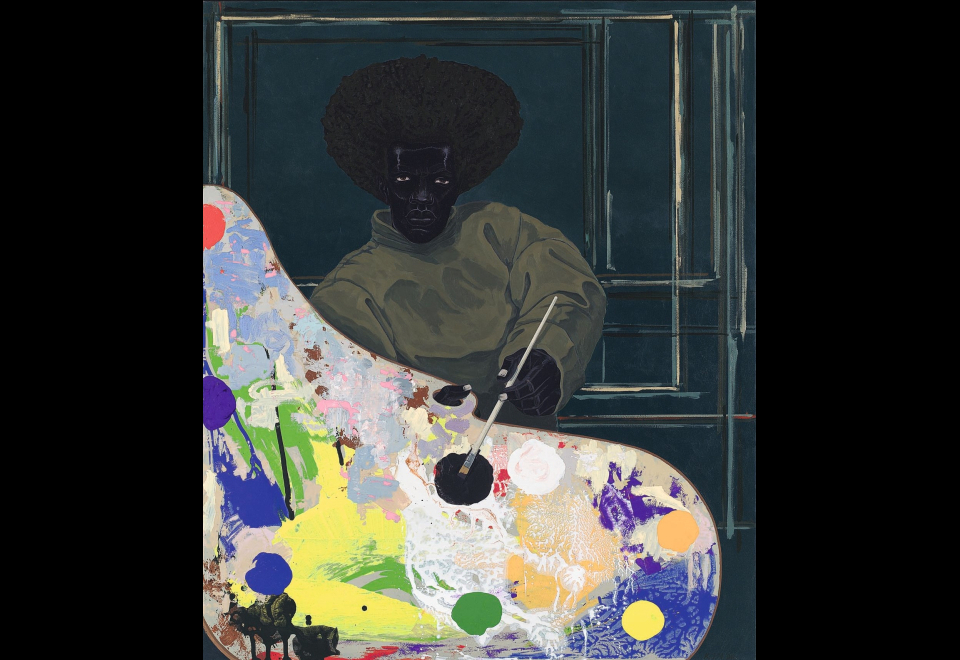
On 18 September, the Musée d’Art Moderne de Paris opens Kerry James Marshall: The Histories, the first exhibition in France devoted to the American artist. Organised with the Royal Academy of Arts and Kunsthaus Zürich, the Paris presentation brings together seventy works, including eight new paintings created for the exhibition, and spans more than four decades.
Marshall’s importance is difficult to compress into a market shorthand. His paintings operate simultaneously through art history, social history and the everyday. Monumental scenes of parks, beauty salons, domestic spaces and public life place Black figures at the centre of pictorial traditions from which they were historically absent, while his formal references range across Renaissance and nineteenth-century painting, modernism, comics and popular culture.
The Paris exhibition is organised in eleven groups of works made from the 1980s to the present. That structure matters for collectors because it restores development, recurrence and revision—the things that disappear when a career is encountered only as isolated auction lots. The inclusion of eight new paintings also prevents the show from becoming a backward-looking canonisation. It argues instead for a practice still actively extending its historical project.
Fine Arts Paris runs from 19 to 23 September in the Grand Palais, with evening openings on 22 and 23 September. Its position in the calendar creates an interesting bridge: contemporary gallery openings and design week are still fresh, while the fair redirects attention toward historical material, expertise and object-based connoisseurship.
This is precisely why it belongs in a collector’s September rather than in a separate category. The strongest collections are rarely built from one market segment alone. Looking at older works—drawings, sculpture, decorative arts or paintings—sharpens judgement about condition, workmanship, rarity and provenance. It can also challenge the assumption that “contemporary” and “historical” taste must occupy different rooms.
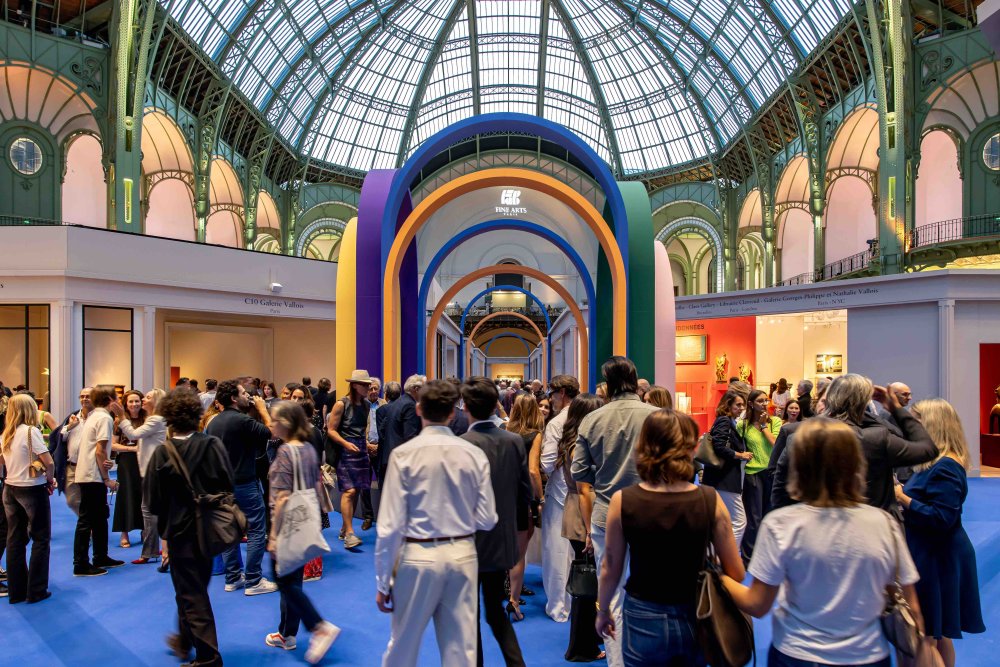
On 23 September the Grand Palais opens Cezanne et nous, an ambitious exhibition of nearly 180 works tracing Paul Cezanne’s influence from the late nineteenth century to the present. The names assembled around that proposition are formidable: Paul Gauguin, Henri Matisse, Pablo Picasso, Piet Mondrian, Joan Mitchell, Bridget Riley and Peter Doig are among the artists through whom Cezanne’s formal legacy is reconsidered.
The exhibition’s premise is more interesting than a simple “master and followers” narrative. Cezanne is presented as a persistent problem for later artists: a painter to emulate, contest, reinterpret and sometimes reject. That is a more accurate model of influence. Major artists do not merely generate stylistic descendants; they create questions that other artists keep answering differently.
For collectors, this kind of exhibition is one of the best ways to strengthen visual memory. It teaches the eye to recognise how a compositional solution, a treatment of space or a way of building colour can move across generations without becoming imitation. The market often labels influence after the fact. Museums can show it in slow motion.
The strongest feature of Paris this month is the way its different collecting cultures overlap. The Zwirner exhibition turns gallery history into a subject. Marclay returns to the physical evidence of recorded sound. Design Week broadens the field of collectible objects. Marshall offers a major institutional survey. Fine Arts Paris restores historical connoisseurship. Cezanne provides the long view.
Together they make September a particularly intelligent month to be in the city. October may bring the densest concentration of international visitors, but September offers something collectors often value more: the ability to make connections before the room gets crowded.
With Richard Meier’s Rachofsky House entering a new chapter, its most revealing legacy is the way Cindy and Howard Rachofsky used architecture to keep a major contemporary collection in motion.

Before Art Basel Paris arrives in October, September brings a concentrated Paris season spanning Kerry James Marshall, Cezanne, Christian Marclay, Paris Design Week, Fine Arts Paris and a gallery-history exhibition in the Marais.
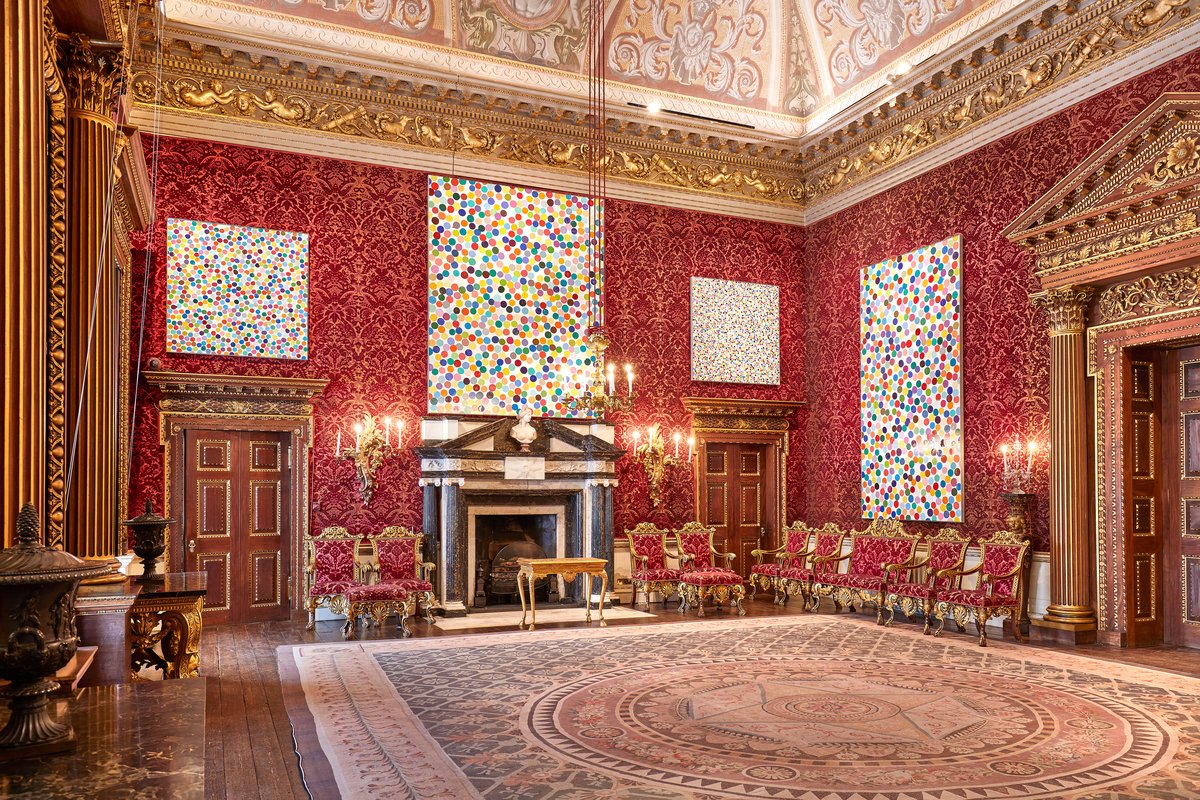
Gagosian’s Damien Hirst solo booth at Frieze Seoul is less a comeback than a compact map of a highly segmented market—placing Spots, Spins, cabinets, Colour Space, Secret Gardens and Treasures side by side for collectors.