
October 20, 2026
Exhibitions
Exhibitions
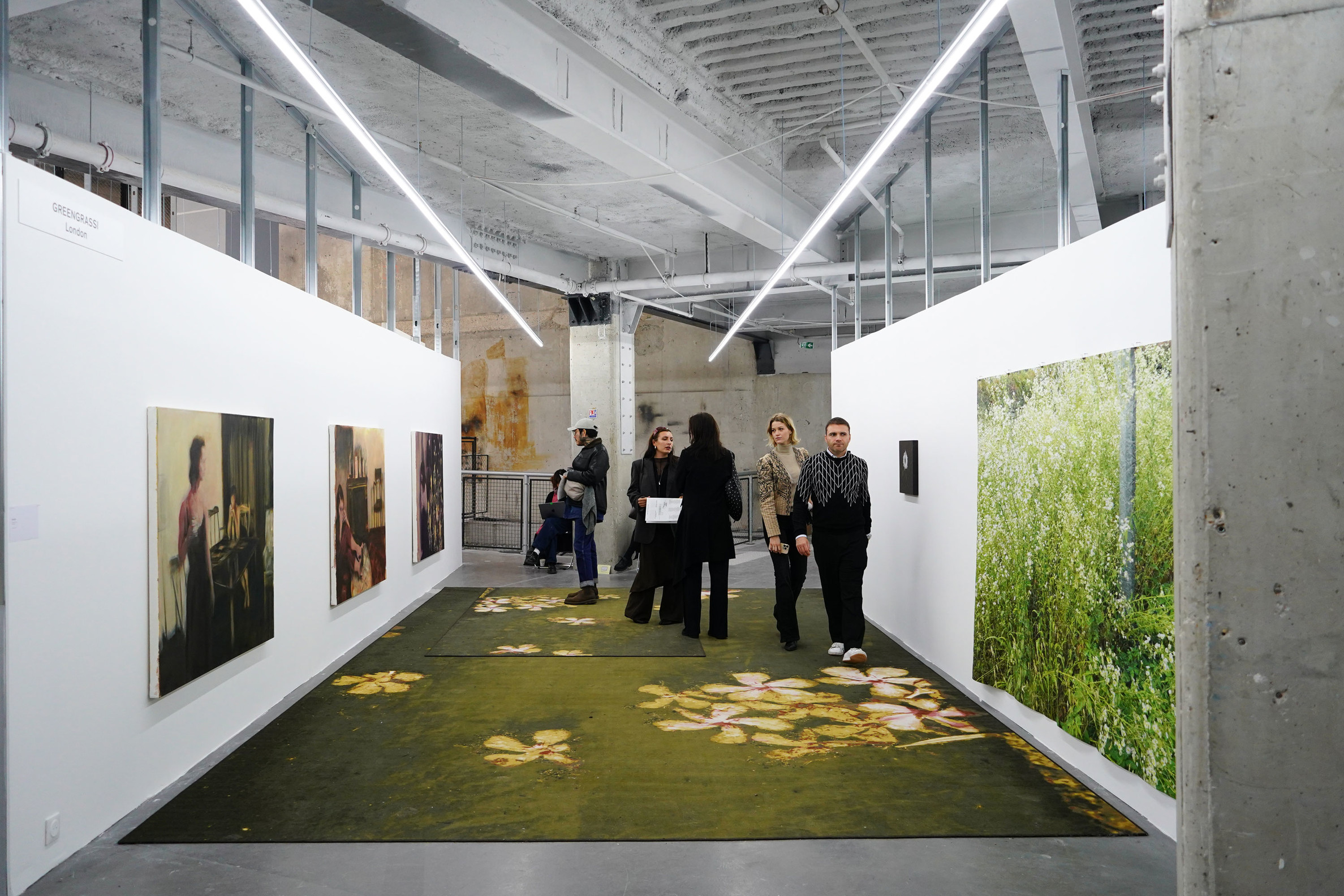
Paris Internationale returns with 56 galleries, a new Canal Saint-Martin venue and a model built around discovery. Here is how collectors should use it.
Paris Internationale returns with 56 galleries, a new Canal Saint-Martin venue and a model built around discovery. Here is how collectors should use it.

Paris Internationale is most useful when it is treated as a fair of galleries rather than a fair of artists. The temptation at an emerging fair is to hunt for a name before everyone else knows it. A better strategy is to identify programmes whose judgement you want to follow.
The 12th edition runs from 19–24 October at a new 3,500-square-metre site at 187–189 Quai de Valmy. Fifty-six galleries and five non-profit spaces from nineteen countries participate, with fifteen galleries joining for the first time. The organisers have deliberately kept the scale focused, mixing younger and established programmes rather than dividing them into status categories.
Art Basel Paris is structured by sectors. Paris Internationale resists that hierarchy. The absence of a designated “emerging” zone forces collectors to judge the presentation in front of them rather than the status assigned to it. That can be uncomfortable, which is exactly why the fair is valuable.
The new building helps. A street-facing tower and courtyard structure are connected by internal passages and four courtyards, with a spatial concept developed with Christ & Gantenbein. The effect is closer to a temporary exhibition building than a conventional trade-fair hall.
Cape Town’s Blank Projects is the kind of gallery worth using as a research anchor. Gregory Olympio’s recent work moves between figuration, architecture and colour with an economy that rewards sustained looking. The useful question at the booth is not “which work is the best investment?” but how the gallery has developed the artist across exhibitions and contexts.

Christiane Blattmann’s sculptures frequently sit between architecture, clothing and support structures. A work can resemble a column, a garment pattern or something that has not decided whether it belongs to a body or a building. At a fair where presentation architecture is temporary, that ambiguity becomes especially effective.

Warsaw’s Gunia Nowik demonstrates why “emerging fair” is an increasingly inadequate description. The most interesting younger galleries are not simply selling young artists; they are constructing historical lineages and placing new practices beside older work that changes how both are read.
For collectors, that is a positive sign. A gallery capable of contextualising new work through older practices is less dependent on novelty.
San Francisco’s Climate Control belongs to a group of programmes at the fair interested in work that moves through writing, film, collaboration and cultural production rather than staying inside one medium. Ask how the work circulates: exhibition, publication, performance, object. A practice that operates across formats can be harder to collect, but often more interesting to follow.
London’s greengrassi brings the authority of a long-running programme into a fair that depends on discovery. That juxtaposition is useful. Not every booth needs to announce a new star. Sometimes the most instructive presentation is the one that shows what consistency looks like over time.
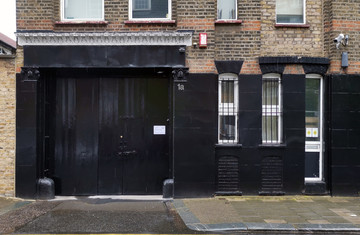
Peana joins a strong group of galleries that make the fair’s geography one of its strengths. Mexico City, Buenos Aires, Shanghai, Seoul, Cape Town, Warsaw, Athens and Tallinn are not treated as peripheral feeder scenes but as part of the same network.

A collaboration with Korea Arts Management Service brings seven emerging Korean galleries to Paris under the title Second Nature: APOproject, CAPTION, INGAHEE, IAH, RANEE SEOUL, sangheeut and WWNN. This is one of the fair’s most useful structural additions because it encourages collectors to look at an ecosystem rather than isolate one fashionable artist from it.
Korean contemporary art has experienced intense international attention, but attention tends to flatten differences between galleries and generations. A grouped initiative lets collectors compare programmes directly.
The AlUla Contemporary Art Museum and AFALULA present a solo project by Ayman Zedani centred on multi-channel video. Time-based work remains difficult at art fairs because the medium demands exactly what fairs ration: duration. That difficulty makes the project important.
Collectors interested in video should use the presentation as a due-diligence exercise. Ask about edition structure, display equipment, codecs, migration, storage, replacement hardware and certificates. The conceptual experience and the technical object must be collected together.
Paris Internationale’s public programme includes Daily Dérives led by invited figures. These walks matter because they expose another person’s hierarchy of attention. At a fair built around discovery, borrowing somebody else’s eyes for an hour can be more useful than another lap with a PDF map.
First, do not start with price. Start with programme. Ask the gallery what it showed two years ago, what it is showing next, which institutions it is working with and how long it has represented the artist.
Second, separate scarcity from quality. A unique work is not automatically more important than an edition. A sold-out presentation is not automatically a durable market. A young artist’s waiting list is not scholarship.
Third, look for galleries willing to tell you not to buy immediately. The strongest dealer relationship is not built on urgency. It is built on enough confidence to allow comparison.
Finally, return. Paris Internationale’s smaller scale makes a second visit realistic. The first visit is for attraction; the second is for judgement.
Paris Internationale matters because it makes the gallery visible as an intellectual unit. In a market that often reduces discovery to artist names, that is a useful correction. The collector who leaves with one new gallery relationship may have gained more than the collector who leaves with ten photographs of fashionable works.
Paris Internationale 2026
187–189 Quai de Valmy, Paris
19–24 October 2026.
Paris Internationale returns with 56 galleries, a new Canal Saint-Martin venue and a model built around discovery. Here is how collectors should use it.
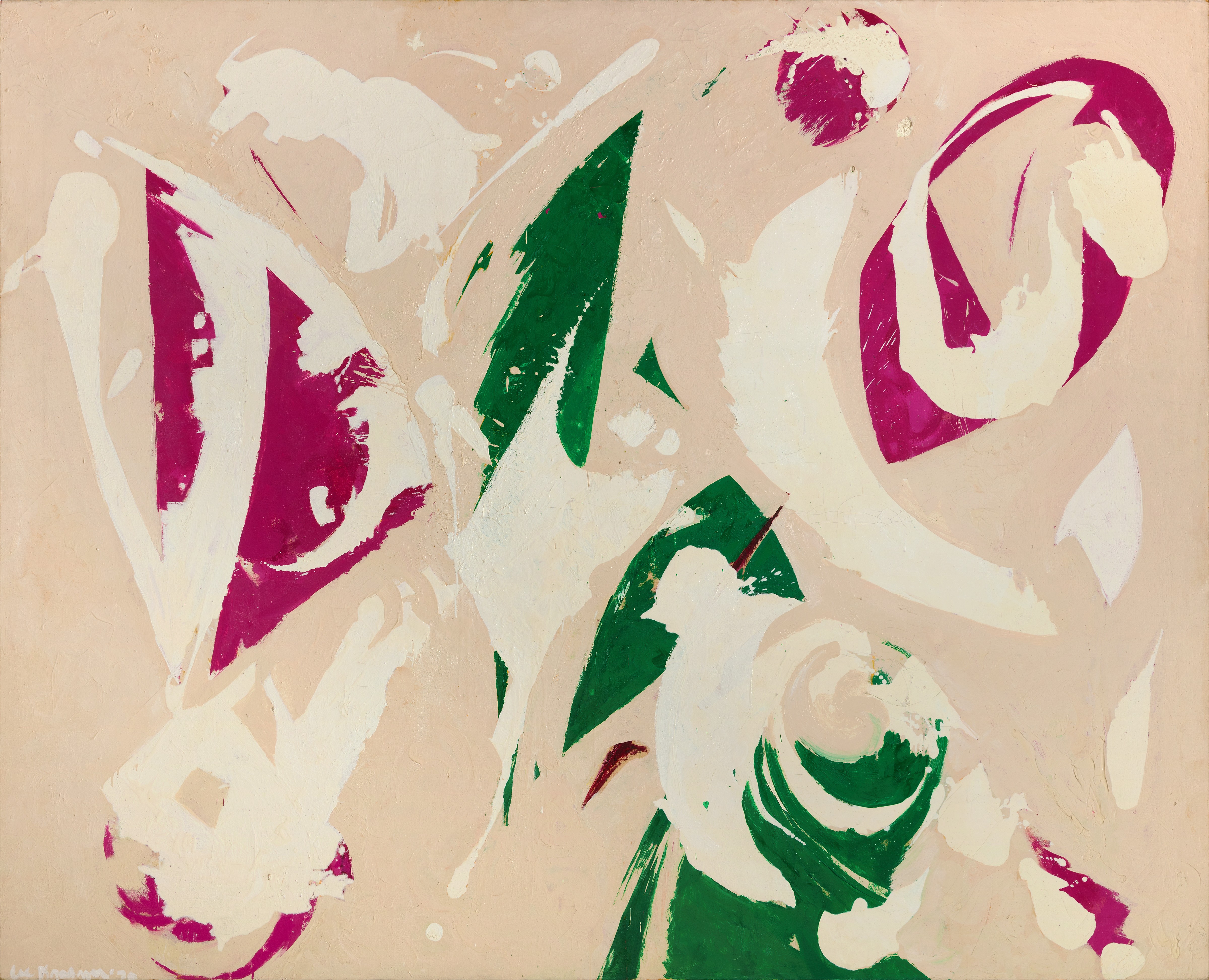
Ibrahim Mahama, Lee Krasner, Oscar Murillo, Tracey Emin and more: the exhibitions that turn Art Basel Paris week into something larger than a fair.

From a £5 million Brueghel and three major Alice Neel sales to George Rickey, global modernism and a £675,000 Triceratops skull, Frieze Masters rewarded collectors who looked beyond categories.