
November 2, 2026
Exhibitions
Exhibitions
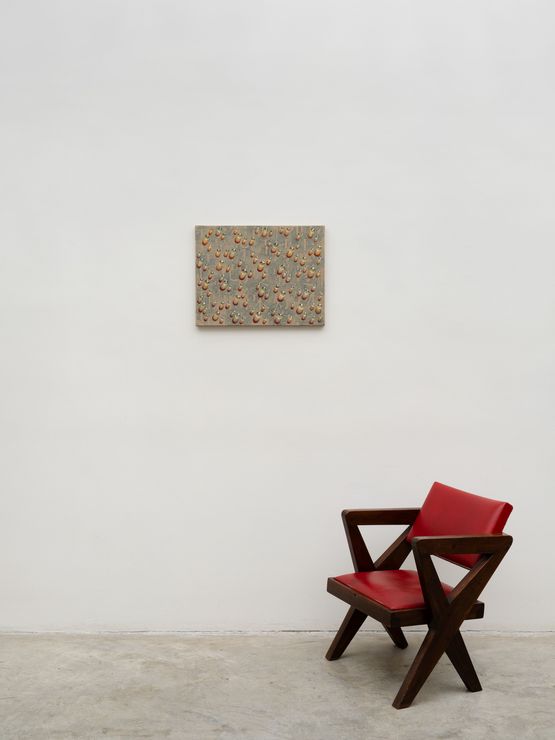
From Yoshitomo Nara and Doris Salcedo to Arturo Kameya and a crucial Robert Colescott chapter, New York’s November calendar rewards a route beyond the obvious fair-week headlines.
A $60–80 million Kandinsky, a reported $180 million Van Gogh and a formidable contemporary line-up put provenance, bidding depth and rarity under scrutiny this November.
New York's November auction season arrives with a useful contradiction. Christie’s expects more than $800 million of material to cross the block in its own fall marquee week, while Sotheby’s has assembled a concentrated series of sales with exceptional modern and contemporary works. The estimates are ambitious, but they are not random: a great deal of the most expensive material arrives with institutional histories, established collecting narratives and clearly identified periods of artistic achievement.
For collectors, the question is not whether every headline lot sells. It is which areas can still generate multiple committed bidders after years in which selective buying has mattered more than unqualified momentum. Guarantees may help secure a sale, but they cannot by themselves tell us how many people genuinely wanted a painting. The breadth of competitive bidding, especially below the very highest price points, will be just as illuminating as the numbers on a results sheet.
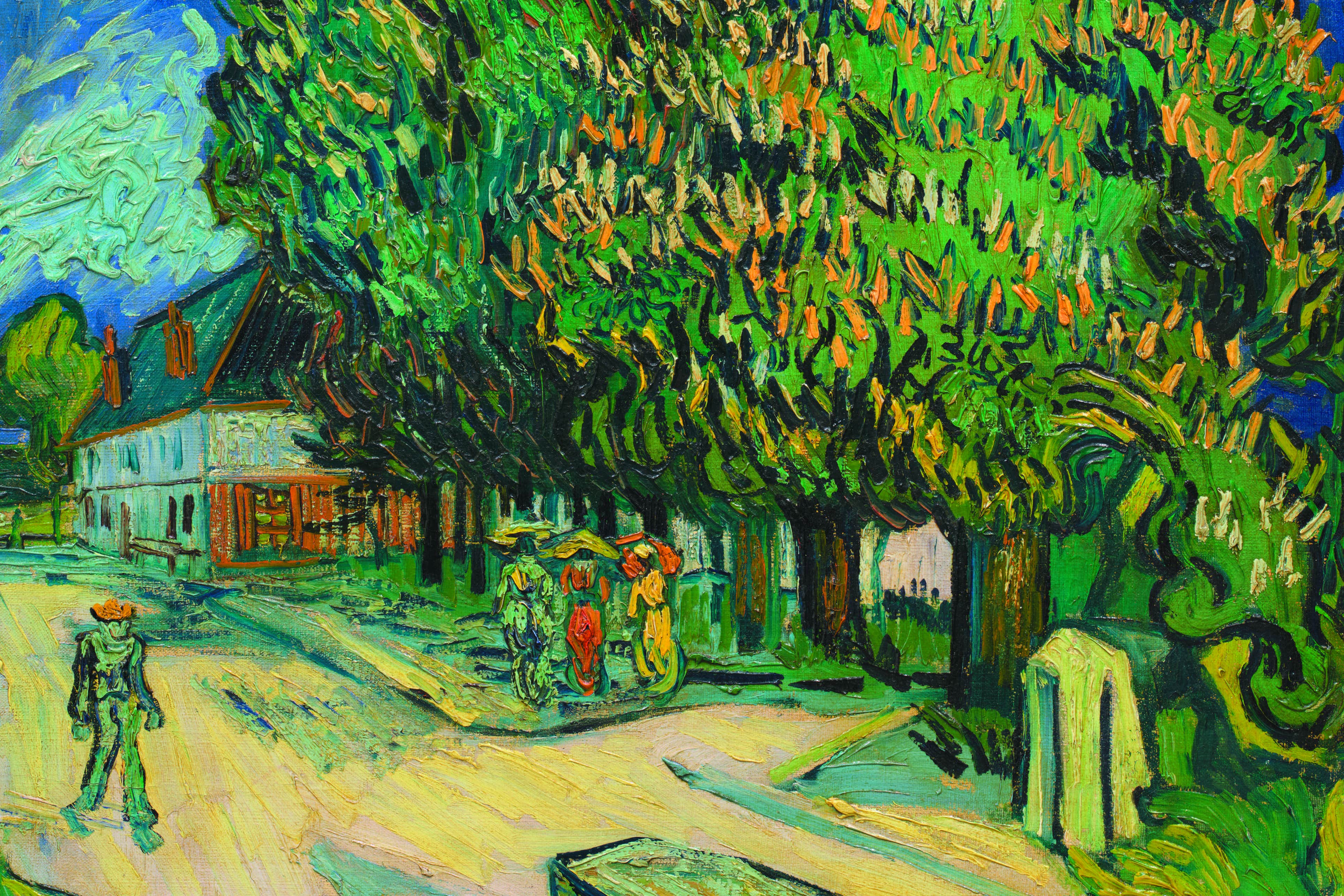
November 2026 also brings a separate, extraordinary event: Sotheby’s presentation of the Blaquier–Arrieta collection on 18 November, led by Vincent van Gogh’s Châtaigniers en fleurs. Sotheby’s officially lists the painting as Estimate on Request, while giving a projected value of $180 million for press purposes. That distinction matters. An indicative valuation should not be confused with a published presale estimate band or, still less, with an achieved price. The collection also includes major works by Cézanne and Monet, making it an unusually powerful additional test of demand for museum-quality modern art.
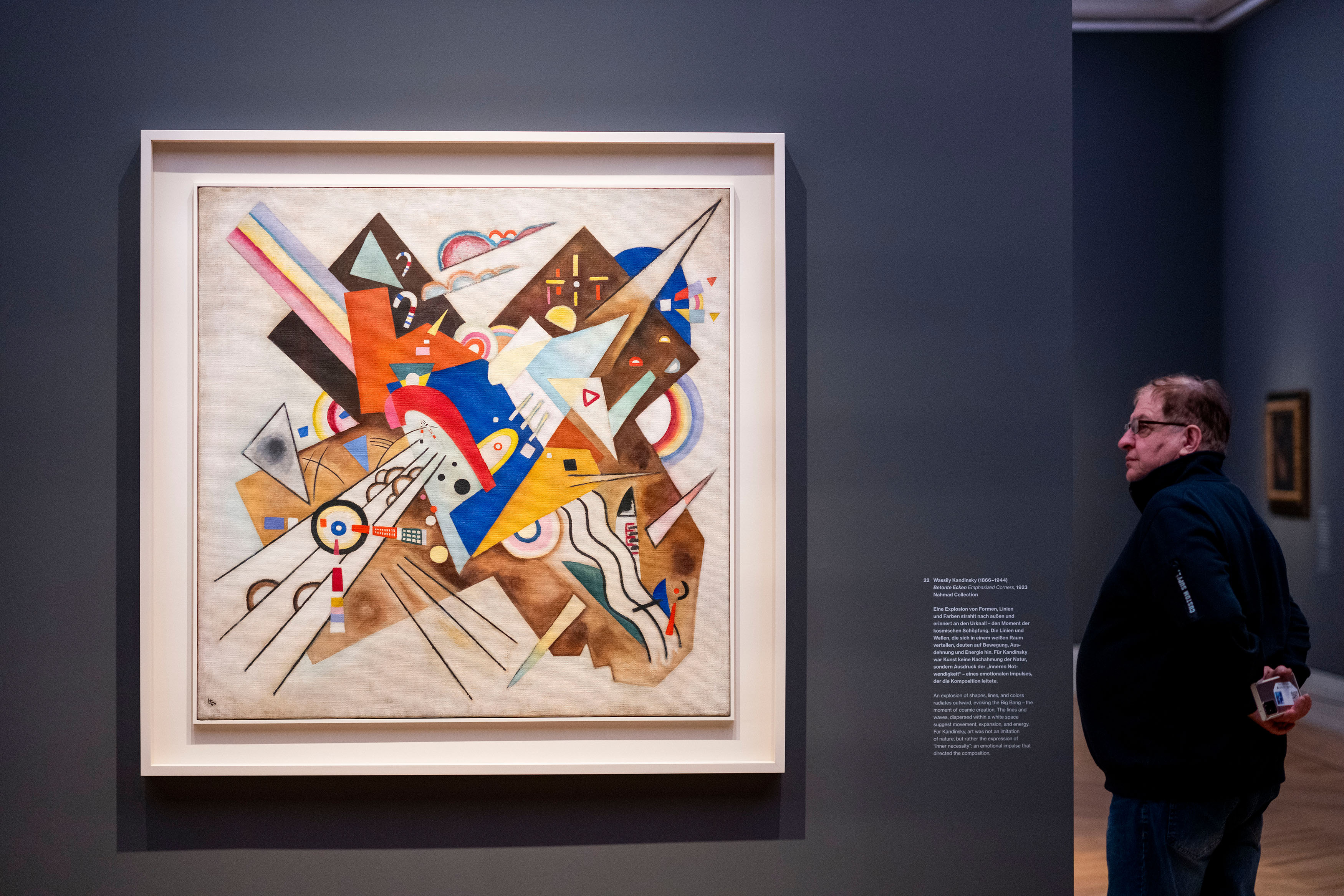
Christie’s leads its 20th Century Evening Sale on 17 November with Wassily Kandinsky’s Betonte Ecken (1922–23), estimated at $60–80 million. The painting emerged from a remarkably consequential moment, as Kandinsky moved into the Bauhaus orbit and refined a visual language of geometry, rhythm and constructed dissonance. Circles, oblique diagonals and compressed fields of colour took on a compositional authority very different from his earlier, more expressive abstractions.
The work also belonged to Solomon R. Guggenheim, an association that connects the object to the formative history of modern-art collecting in the United States. Provenance is not an aesthetic guarantee, but it can provide something collectors value: a documented journey through important hands, and a place within a wider story of how abstraction entered major private and institutional collections. At this level, any bidding contest is likely to be as much about the rarity of the opportunity as about a benchmark for Kandinsky overall.
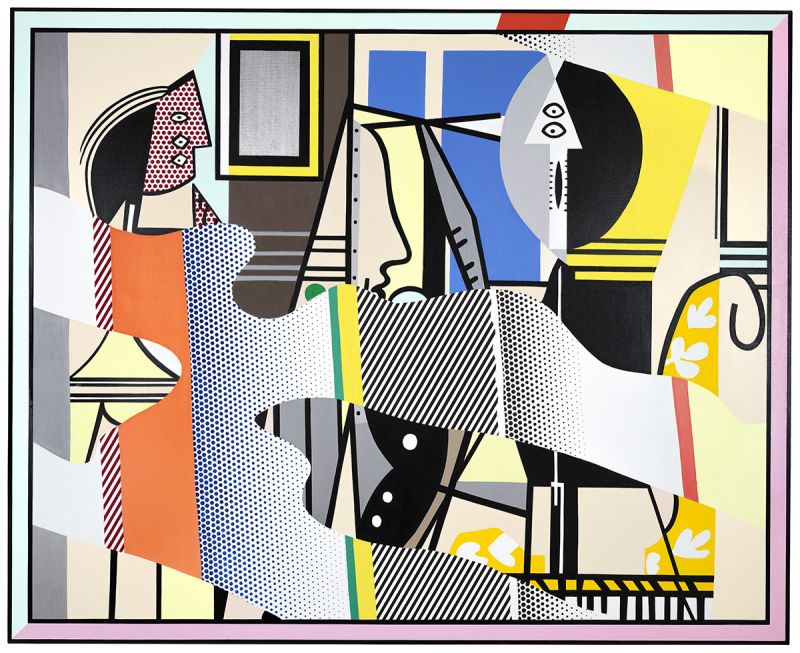
Sotheby’s offers Roy Lichtenstein’s Reflections on “Painter and Model” in its 16 November Now and Contemporary Evening Auction at $20–30 million. Rather than ask buyers to repeat their interest in the canonical comic-strip paintings of the 1960s, it tests their appetite for an artist reflecting on image-making itself. The Reflections series treats the picture plane as something unstable, interrupted by the appearance of reflective glare and optical interference.
The lot deserves to be judged within that more complicated artistic project. For collectors, the central issue is whether prices for later Lichtenstein can reward conceptual ambition, quality and scale without the instantaneous legibility of his most famous subjects. It will be an instructive comparison with other Pop works that trade on recognisable imagery alone.
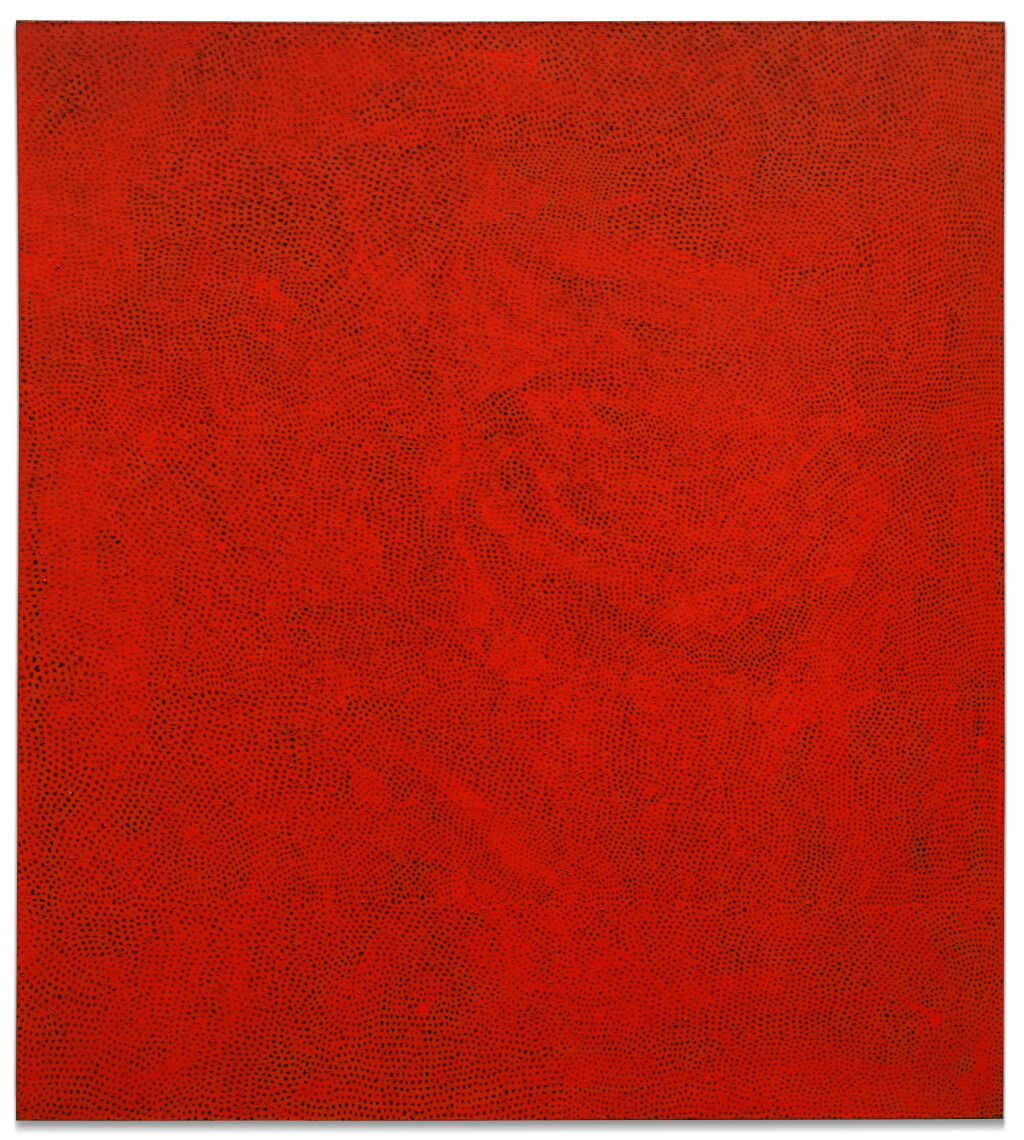
Yayoi Kusama’s No. 3P.B., carrying a $10–15 million estimate at Sotheby’s, is a reminder that the commercial visibility of an artist is not the whole story of her market. The pumpkins, installations and infinitely repeated dots have become familiar around the world; early abstraction speaks to a more experimental period, when Kusama was developing a radically personal grammar of pattern, accumulation and repetition.
Collectors looking seriously at this category should examine date, medium, condition, documented exhibition history and the painting’s relation to the wider emergence of Kusama’s vocabulary. There is no reason to assume that high recognition for one family of images transfers uniformly to every other. The November lot is therefore a test of connoisseurship as much as brand recognition.
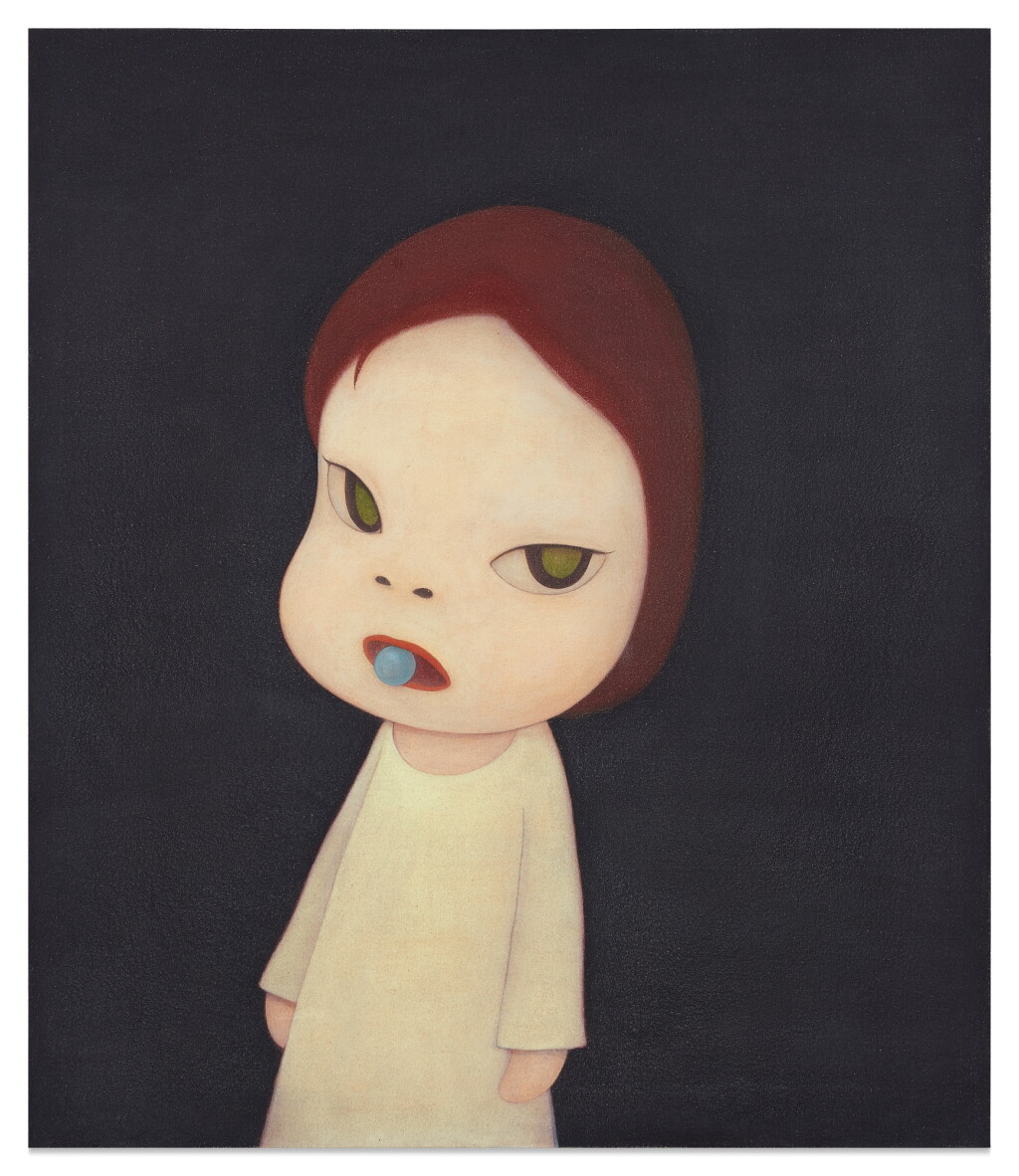
Yoshitomo Nara’s Candy Blue Night is estimated at $5–7 million just as a substantial new Nara exhibition opens across David Zwirner’s 19th and 20th Street spaces in Chelsea, from 5 November to 12 December. In Washington, his monumental sculptural heads also inaugurate a new presentation at the Hirshhorn Sculpture Garden. It is precisely the coincidence collectors notice: new primary-market work, public institutional attention and a major secondary-market lot arriving almost simultaneously.
Nara’s deceptively simple figure paintings have always been easier to recognise than to explain. Their value derives in part from the tension between a deliberately limited pictorial vocabulary and the intensity of feeling that vocabulary can hold. The most interesting bidding question is not whether Nara has an audience, but how discriminating that audience has become about the period, surface, emotional register and specificity of a particular canvas.
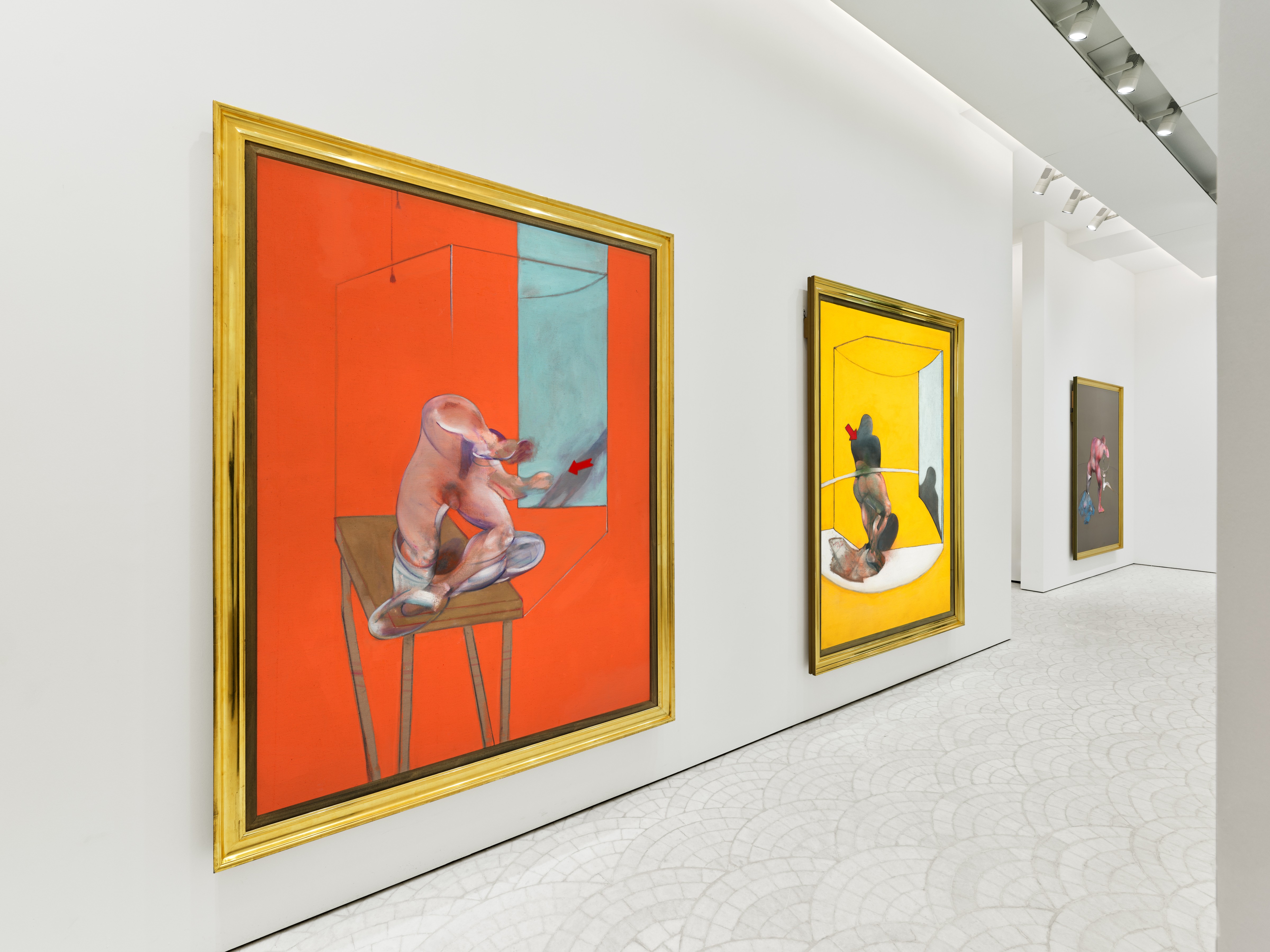
A Francis Bacon Self-Portrait has been positioned in the November Sotheby’s offerings with a $10–15 million estimate. For Bacon, the human image is never simply a likeness. Repeatedly worked and reworked, it becomes a site of pressure, isolation and psychological movement. Self-portraits occupy a particularly charged place in that enterprise because the painter himself is both the subject and the destabilising eye.
The market for Bacon can be extraordinarily deep at its best, but it is also unusually attentive to distinctions in scale, medium, date and subject. Any result should be placed alongside the artist’s broader portrait history rather than read as a universal statement about his market. Even the nominally similar work can behave very differently when such particulars shift.
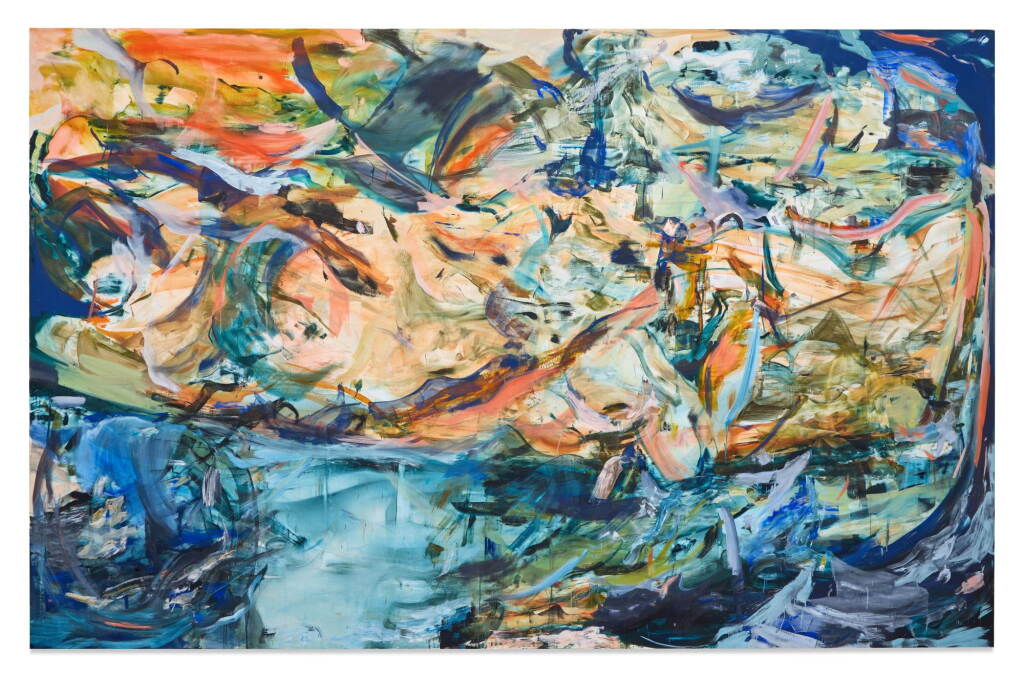
Sotheby’s full lot listing catalogues Cecily Brown’s Untitled (Shipwreck) (2017) with an estimate of $7–10 million. The sale will offer a clear view of how the market is handling a living painter whose reputation is established and whose work no longer relies on novelty to generate serious attention. Brown’s painting is distinguished by its ability to hold figuration and abstraction in suspension: bodily gestures, landscape suggestions and painterly passages appear and dissolve within the same surface.
The exact catalogue title is important here. Although a shorter digital preview labels the painting simply Untitled, the complete lot page identifies it as Untitled (Shipwreck). That full catalogue name is used in this article. More broadly, buyers will be weighing what the individual painting offers within Brown’s development, not simply the record price of a previous canvas. The category has matured to the point where quality can create meaningful price differences.
Sotheby’s Modern Evening Auction on 18 November includes Edward Hopper’s The Martha McKeen of Wellfleet at $20–30 million and Mary Cassatt’s Summertime at $7–10 million. The latter is the 1894–95 oil belonging to the Armand Hammer private collection, and its catalogue provenance distinguishes it from other works and reproductions associated with similar titles. Both lots remind collectors that exceptional American paintings can command a different kind of attention from the fast-moving contemporary market.
Hopper’s painting offers the concentrated atmosphere, strange quiet and architectural clarity that make his best work so memorable. Cassatt brings a different form of pictorial intelligence: modern life observed through intimate human relationships, colour, light and exceptionally considered composition. Neither artist offers an endlessly replenishable supply of major pictures. Scarcity, within an already established historical canon, is part of what the estimates are measuring.
Helen Frankenthaler’s Black Touch is estimated at $2.5–3.5 million and Five at $1.5–2 million in Sotheby’s November offerings. Their placement presents buyers with a useful opportunity to examine how medium, scale, compositional confidence and historical period affect prices within a single artist’s oeuvre. Frankenthaler’s enduring importance comes from the invention and development of a pictorial language in which colour can behave as space rather than as something added to a pre-existing form.
For new collectors especially, it is worth resisting a simplistic reading of the two figures as a menu of comparable investments. The conditions that make a Frankenthaler distinctive are often immediately visible in person but can be difficult to resolve from a thumbnail: the handling of paint, the edge of a stain, the fabric of the support and the delicate relationship between deliberately vacant and fully worked passages.
Sotheby’s Willem de Kooning Untitled is estimated at $4.5–6.5 million, while Christie’s offers Gerhard Richter’s 1990 Abstraktes Bild at $6–8 million. Neither work requires a record to be significant. They occupy a band where sophisticated collectors may have several alternatives, and where reserves, recent comparables and the individual quality of the painting can make an unusually visible difference to bidding depth.
For de Kooning, gesture and the history of revision are not decorative flourishes; they constitute much of the work’s intelligence. With Richter, the distinction between an abstract canvas and another of ostensibly the same year can be decisive. These are the transactions most likely to reveal the market’s practical strength beneath the spectacle of its largest numbers.
The Gund dispersal also exposes a distinction that is easy to lose in the auction week’s arithmetic. A single work may arrive as an object of private desire, but the collection from which it comes can tell a public story about decades of attention, acquisitions and gifts. For buyers, provenance is not merely an assurance of authenticity; it is part of an artwork’s social history. For sellers and institutions, the way a collection is distributed can determine what kinds of access, research and artistic support its legacy makes possible.
The November season also brings another tranche of works associated with the collection of Agnes Gund, with proceeds intended to benefit the Gund Art Foundation. Artists connected with the offering include Vija Celmins, Alexander Calder, Cy Twombly, Robert Rauschenberg, Robert Ryman and Cindy Sherman. Here the auction narrative intersects with a broader question about cultural stewardship: how can private collecting create a public afterlife?
Gund’s commitment to arts philanthropy adds a context that cannot be summarised solely by estimate or hammer price. The artworks will still be judged by ordinary market criteria, but the sale tells an additional story about the social responsibilities and choices of collectors. It is worth examining how those narratives influence interest without treating a charitable purpose as a substitute for independent valuation.
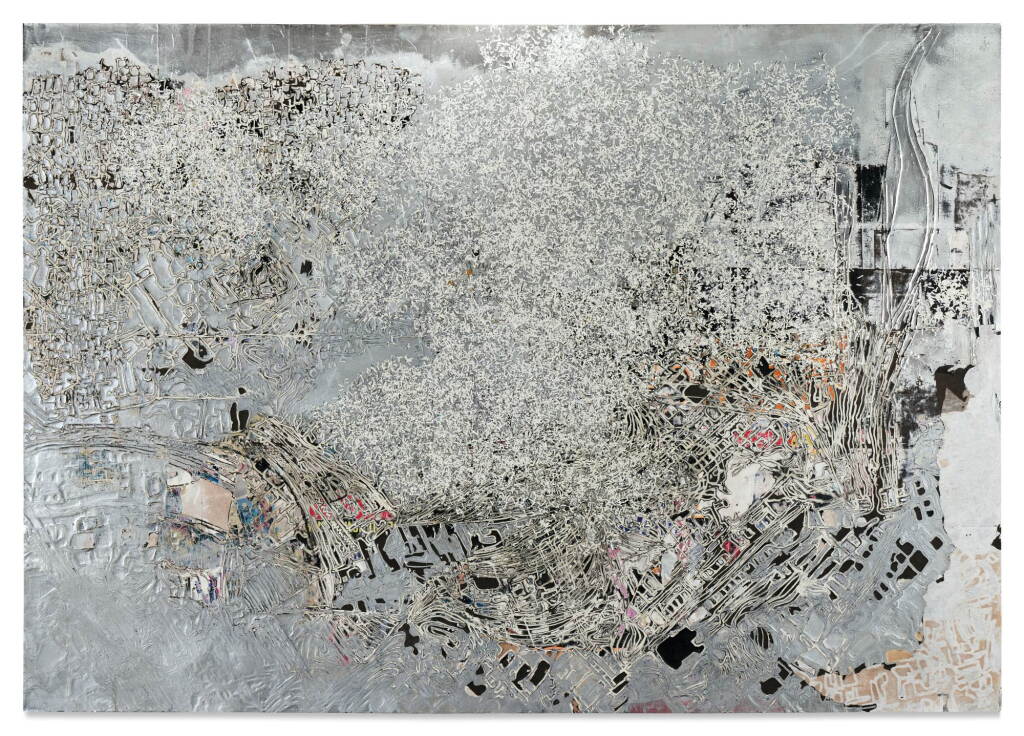
Mark Bradford’s If Caught Outside, estimated at $2.5–3.5 million in Sotheby’s evening sale, provides a different kind of temperature check. Bradford’s work builds extraordinary abstract surfaces out of urban material and cartographic suggestion. The case for the work is rooted in the sophistication of his visual language and his place in a sustained institutional conversation, not merely the momentum of one auction season.
The Van Gogh introduces another scale of market testing. Sotheby’s catalogues Châtaigniers en fleurs with an estimate on request; its publicly discussed valuation of roughly $180 million is a guide rather than a published presale estimate range. Conflating those two forms of pricing would obscure how carefully the market is managing expectations around a work unseen in public for decades. The week is therefore as much a study in the language of estimates and guarantees as it is a test of collecting appetite.
Do not judge the entire week by whether a Kandinsky reaches $80 million or whether a Van Gogh confirms its extraordinary published press valuation. Watch the depth of bidding in the $2–10 million range, where collectors have more choices and potentially greater negotiating power. Watch the number of genuine underbidders, not only the name of the eventual buyer. And watch whether the institutional prominence of artists such as Nara and Kusama broadens the pool or simply concentrates attention among familiar bidders.
Guarantees and irrevocable bids deserve equal attention. These arrangements can protect a consignment and shape the risk of an auction, but they may make a smooth sale look more competitive than the public bidding itself demonstrates. When results arrive, a serious reading of the season will separate sell-through, hammer prices against low estimates, prices including fees and the extent of third-party commitments.
The November sales will not establish whether the art market is ‘back’. Markets do not move as one object. They will tell us something more useful: where collectors still feel urgency; where the rare, well-chosen artwork escapes the pull of wider caution; and where an ambitious estimate is asking the market to manufacture confidence it has not yet shown.
From Yoshitomo Nara and Doris Salcedo to Arturo Kameya and a crucial Robert Colescott chapter, New York’s November calendar rewards a route beyond the obvious fair-week headlines.
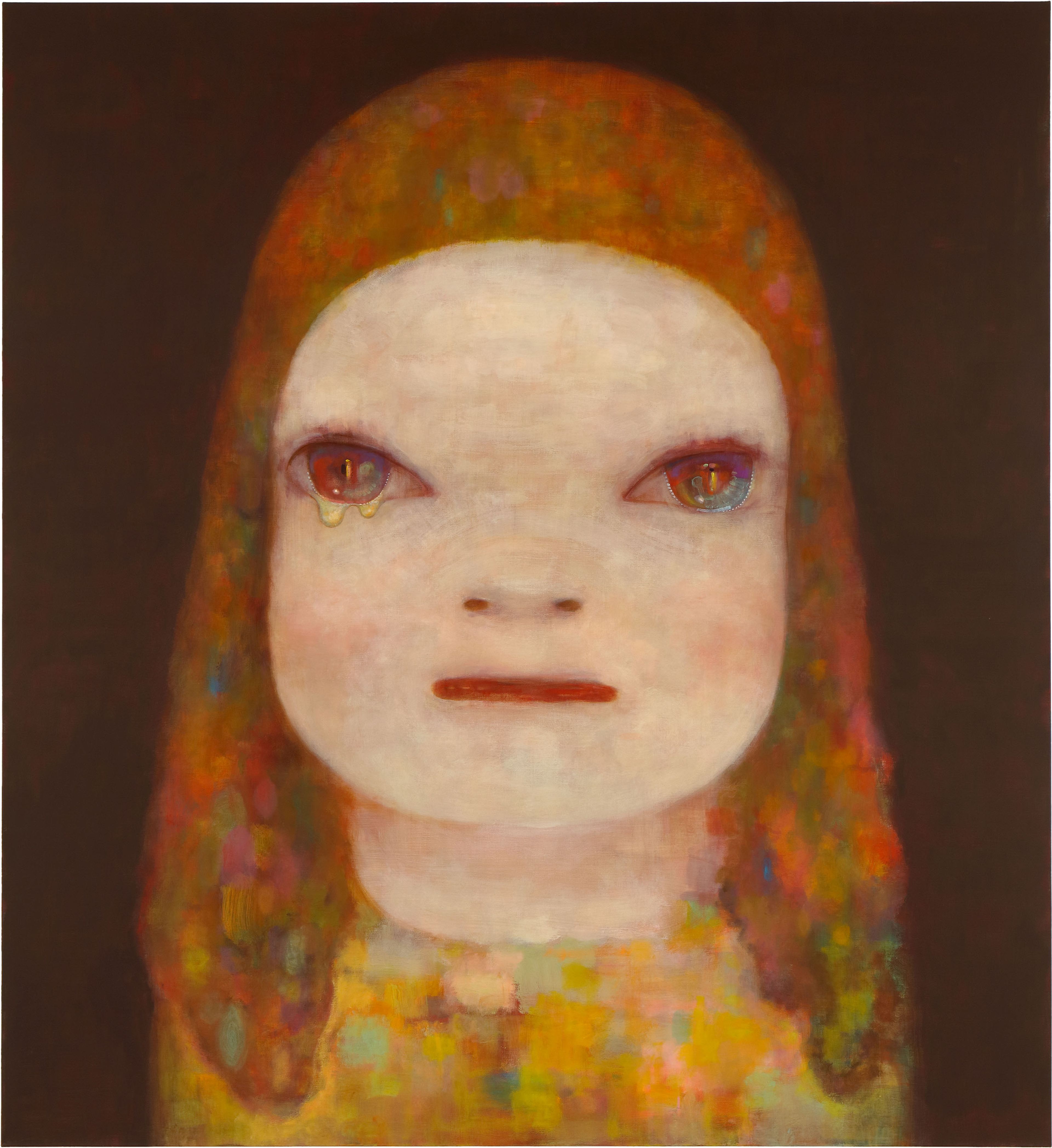
A David Zwirner debut, three monumental Hirshhorn sculptures and a Sotheby’s evening lot put Yoshitomo Nara’s gallery, institutional and market narratives in the same frame.

A $60–80 million Kandinsky, a reported $180 million Van Gogh and a formidable contemporary line-up put provenance, bidding depth and rarity under scrutiny this November.