
November 2, 2026
Exhibitions
Exhibitions
From Yoshitomo Nara and Doris Salcedo to Arturo Kameya and a crucial Robert Colescott chapter, New York’s November calendar rewards a route beyond the obvious fair-week headlines.
From Yoshitomo Nara and Doris Salcedo to Arturo Kameya and a crucial Robert Colescott chapter, New York’s November calendar rewards a route beyond the obvious fair-week headlines.
New York enters November with an unusually compressed art calendar: gallery openings, the first Art Week NYC, the ADAA Art Show and marquee auction previews all compete for attention. The useful way to approach the month is not to chase every event, but to use that density to compare very different kinds of artistic authority. This route moves from two globally recognised practices to a younger Peruvian painter, postwar Korean art, site-sensitive sculpture and a historically important chapter in Robert Colescott’s career. It is deliberately a collector’s itinerary rather than a list of the six largest rooms.
David Zwirner · 5 November–12 December 2026
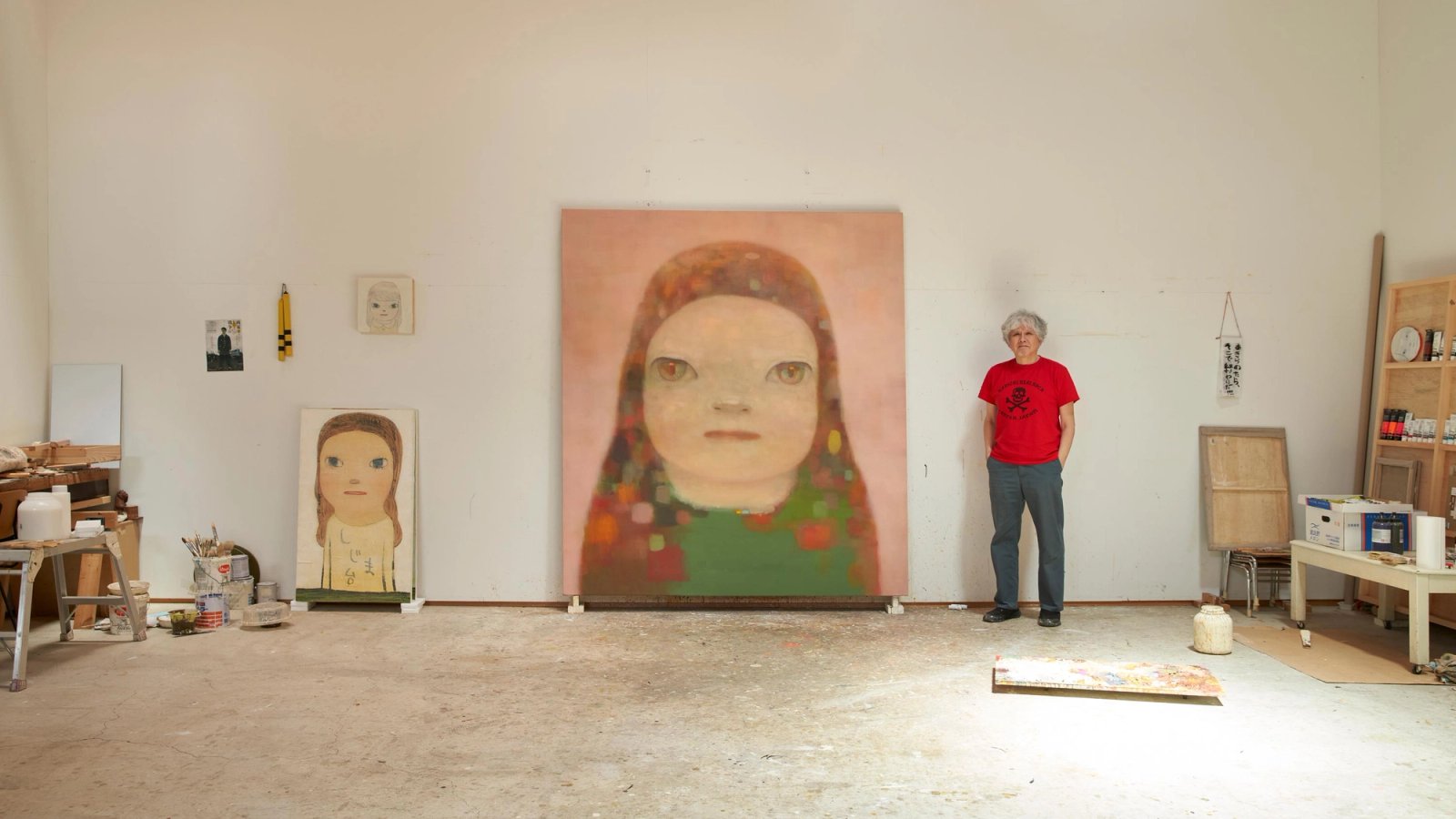
Nara’s first solo exhibition with David Zwirner is also his first major New York solo in almost a decade, and it arrives at a useful moment in the artist’s market history: his imagery is instantly recognisable, but the better reason to see the show is the degree to which that familiarity is being complicated. New paintings and drawings are joined by recent sculpture and selected earlier material, allowing the shifts in palette, surface and psychological temperature to register across media. The newest paintings are quieter than the caricature of Nara’s work as punk-inflected attitude suggests; their muted chromatic fields and unstable expressions depend on prolonged looking. A group of enlarged sculptural heads makes the translation from drawn face to volume particularly clear. For collectors, this is less about confirming an icon than about seeing how an artist with enormous secondary-market visibility continues to revise the visual language that made him famous.
Tina Kim Gallery · 5 November–19 December 2026
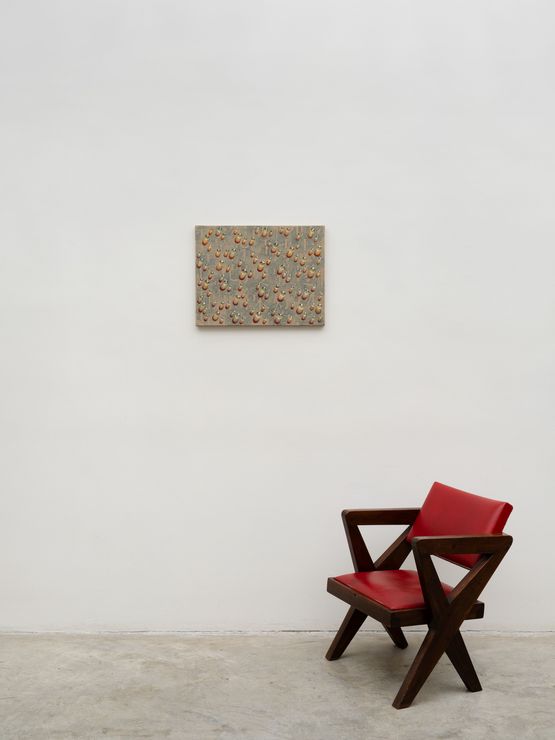
Kim Tschang-Yeul’s water drops can be so seductive that it is easy to miss how structurally strange the paintings are. Tina Kim’s Recurrence brings together works from the 1980s through the 2010s, a span long enough to see the motif move from trompe-l’œil virtuosity toward a meditative system of repetition, erasure and return. The drop is simultaneously hyper-real and impossible: an image of liquid rendered on a dry surface, often poised over calligraphic grounds, raw canvas or fields that imply language without resolving into speech. In the context of the continuing reassessment of postwar Korean art, the exhibition offers a more specific proposition than a survey. It shows how Kim built a lifelong practice out of one visual unit without reducing that unit to a logo. Collectors should pay attention to changes in ground, scale and density; those differences are where the intellectual life of the series becomes most visible.
GRIMM · 6 November 2026–9 January 2027
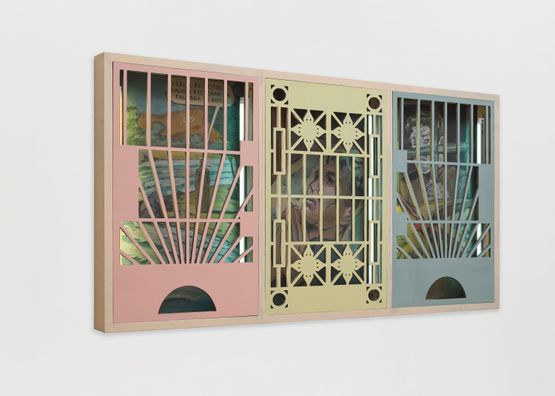
GRIMM gives the month its strongest downtown discovery with Peruvian artist Arturo Kameya. His paintings accumulate the visual noise of ordinary life—football, folk traditions, domestic scenes, internet imagery and political residue—without forcing those references into a tidy national allegory. The exhibition title, roughly “a bent nail fears no hammer,” is a useful clue to the work’s humour and resilience: Kameya is interested in how people improvise inside systems that already feel damaged. The paintings can look casual, even cartoon-like, but their looseness is deceptive; figures and objects are positioned as fragments of collective memory rather than illustrations of a single story. In a November crowded with canonical names, this is precisely the kind of show collectors should make time for. It demonstrates how contemporary history painting can remain socially specific while refusing the grand rhetorical scale historically associated with the genre.
Marian Goodman Gallery · 11 November 2026–16 January 2027
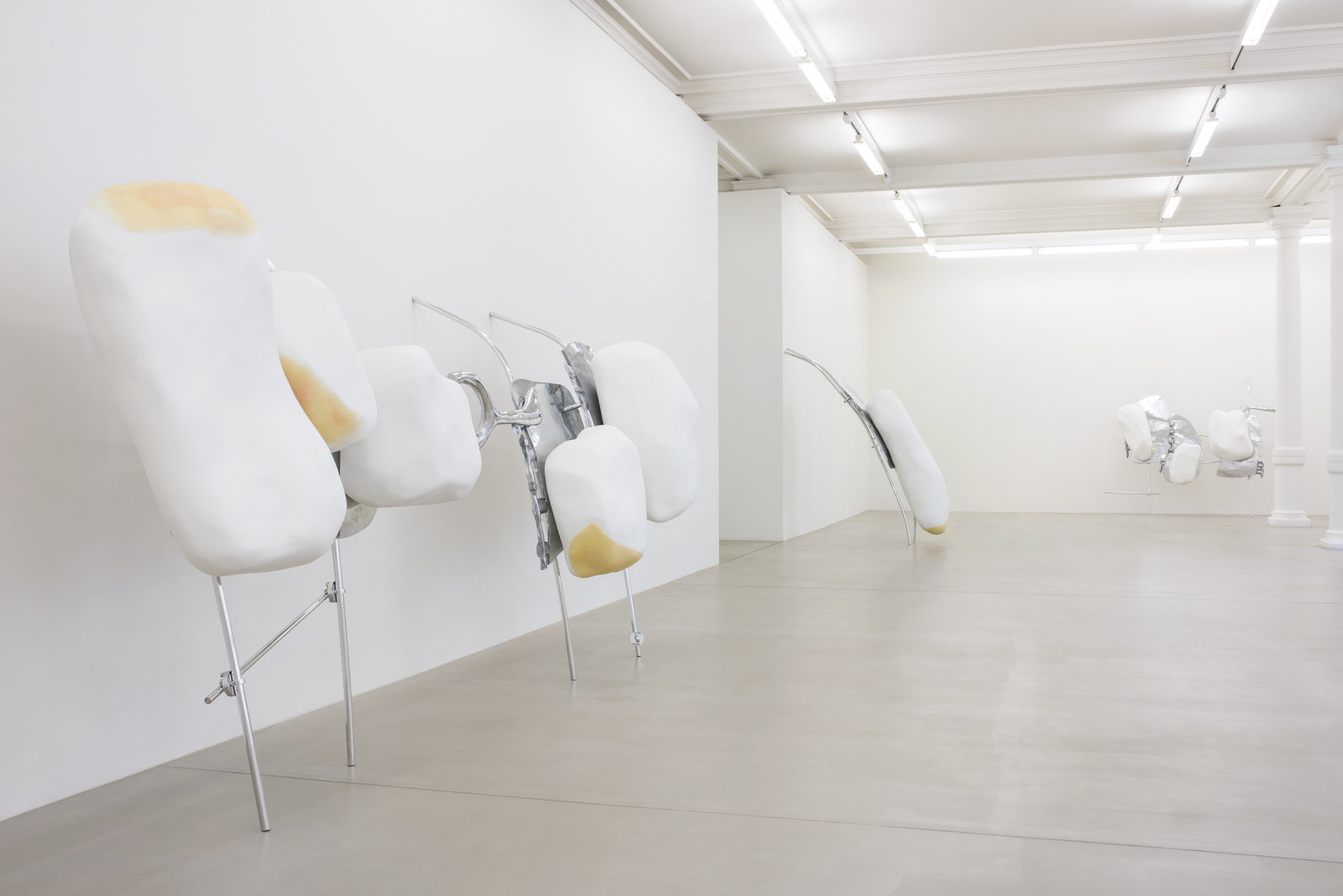
Baghramian’s sculpture has always been unusually alert to the conditions around it: walls, supports, entrances, bodies and the social codes that tell us how an object should occupy a room. In nameless, new sculpture, installation, drawing and photography extend that inquiry toward language and the instability of naming itself. Her works often resemble fragments of anatomy, furniture or architectural hardware while refusing to settle into any of those categories. That ambiguity matters. Baghramian makes display systems feel bodily and bodies feel constructed, allowing the gallery to become part of the sculpture rather than neutral background. For collectors accustomed to encountering her work as a single object at a fair, the exhibition should be especially valuable because it restores relationships between pieces and site. The work is materially exacting, but its real sophistication lies in the way each element questions the authority of the frame around it.
White Cube · 13 November 2026–16 January 2027
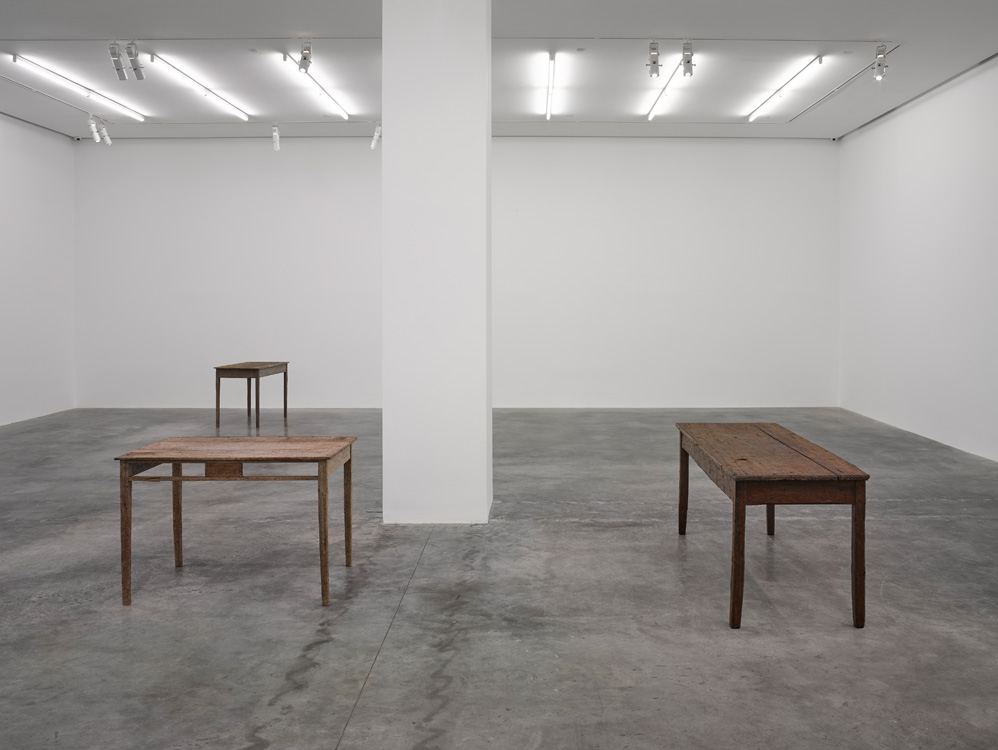
White Cube’s November opening is a major new installation by Doris Salcedo, developed over three years and connected to the thinking behind Uprooted (2020–22). Salcedo’s importance lies in the precision with which she gives political violence a material form without turning suffering into spectacle. Furniture, architecture and familiar domestic structures become unstable, blocked or burdened; absence is registered through weight and obstruction rather than image. That approach has made her one of the most consequential sculptors of her generation, but it also means that installation context is essential. This is not a show to judge from isolated details online. The relationship between the work, the room and the viewer’s own movement is part of its ethical structure. For collectors, it is a reminder that Salcedo’s market is inseparable from a demanding institutional practice in which scale and site are not optional embellishments but core components of meaning.
Gladstone Gallery · 5 November–19 December 2026
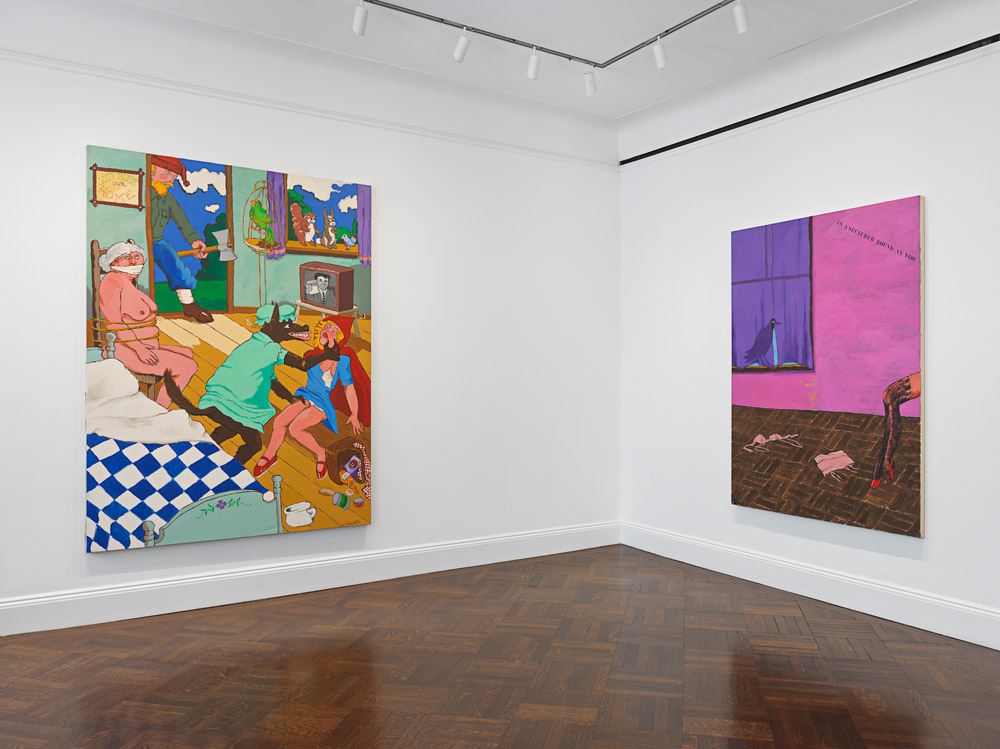
Cairo focuses on the crucial years 1964–68, immediately before, during and after Colescott’s time in Egypt. The period matters because it precedes the satirical, racially charged revisions of art history for which he later became famous, showing the painter in the process of rethinking both formal language and personal identity. Egypt expanded his relationship to non-European visual traditions and sharpened his understanding of himself as a Black American artist. Seen now, these works complicate the idea that Colescott’s career can be reduced to the punch line or parody of later paintings. They reveal a painter absorbing colour, ancient history and modernist structure before turning those resources against the exclusions of the canon. For collectors, the show provides something the market often needs: chronology. It places the best-known mature work inside a longer development and makes the Cairo years legible as a hinge rather than a footnote.
If time is limited, build the day geographically rather than hierarchically: use the Chelsea openings to compare Nara, Kim, Salcedo and Colescott, then go downtown for Kameya and Baghramian. The contrast is the point. November’s best New York viewing moves between market visibility and slower art-historical correction, and the strongest exhibitions are the ones that make an artist’s familiar reputation feel less settled than it did before you walked in.
Exhibition dates and programmes were checked against current museum, gallery and fair listings on 31 October 2026. Opening hours, access arrangements and programmes can change; check the venue before travelling.
From Yoshitomo Nara and Doris Salcedo to Arturo Kameya and a crucial Robert Colescott chapter, New York’s November calendar rewards a route beyond the obvious fair-week headlines.
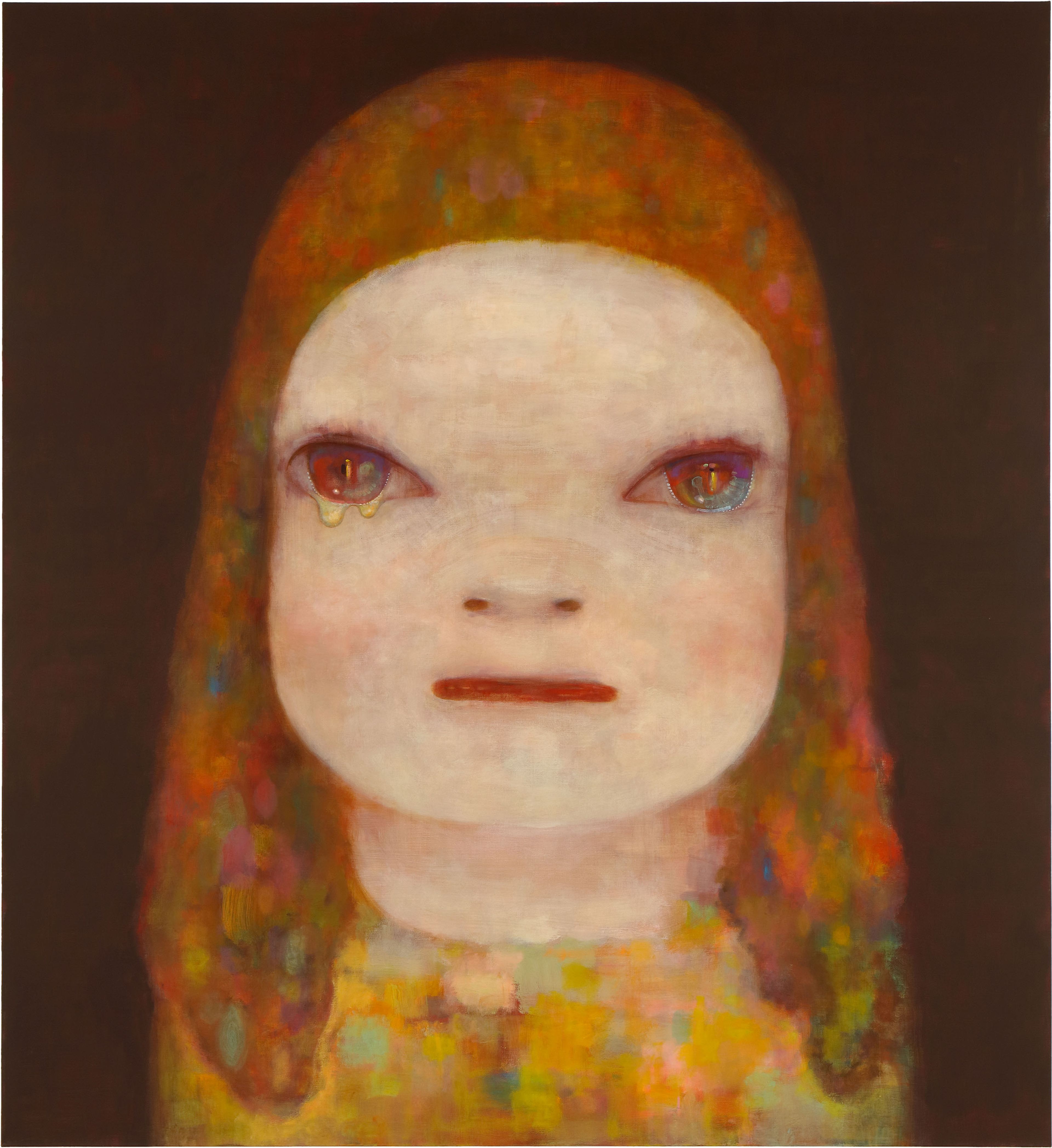
A David Zwirner debut, three monumental Hirshhorn sculptures and a Sotheby’s evening lot put Yoshitomo Nara’s gallery, institutional and market narratives in the same frame.

A $60–80 million Kandinsky, a reported $180 million Van Gogh and a formidable contemporary line-up put provenance, bidding depth and rarity under scrutiny this November.