


November 19, 2026
Collector Intelligence
Collector Intelligence

A practical collector’s guide to light, climate, framing, wall fixings, sculpture, installation planning and preventive care when displaying art at home.
From condition reports and packing to climate, insurance, customs and storage, a collector’s practical framework for moving art safely.
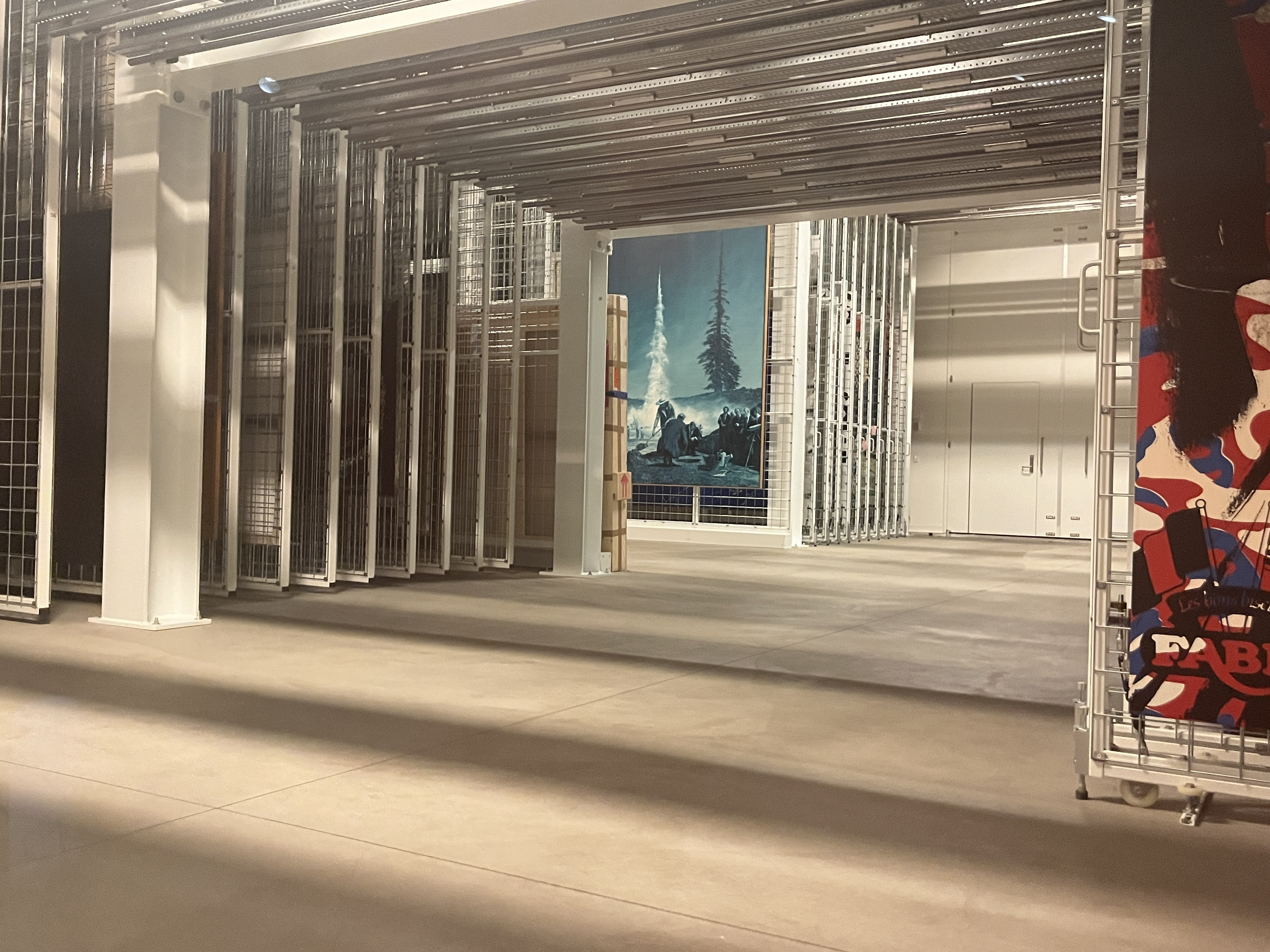
A collector may spend months researching a work and only minutes deciding how it should travel. Yet the journey from gallery, studio or auction house to home can expose an artwork to risks that are invisible in the sale photograph: vibration, shock, pressure, abrasion, condensation, excessive heat, inappropriate handling and loss of documentation. A sound transport plan begins before collection, not when the vehicle arrives.
The first question is not simply who can deliver the work. It is what the object is made of, how it is constructed, which parts are vulnerable, where it is travelling, and what evidence should exist before and after the move. A glazed photograph, an unframed canvas, a patinated sculpture and a time-based installation are not interchangeable cargo. A professional handler should translate the artwork's material and condition into a documented method of handling, packing, loading, transit and unpacking.
Collect the artist, title, date, medium, dimensions, weight, photographs, inventory number, current location, destination and contact details. Add the frame or plinth dimensions, any protruding or loose elements, prior restoration, known structural weaknesses and installation instructions. For complex works, request an artist or studio handling manual. Distinguish dimensions of the artwork from dimensions of its frame and final crate.
Record any lender, insurer or owner restrictions. Ask the current custodian whether the work already has a suitable travel crate, and whether that crate has been examined recently. A crate designed for one object is not automatically appropriate after a change in framing, glazing or mounting.
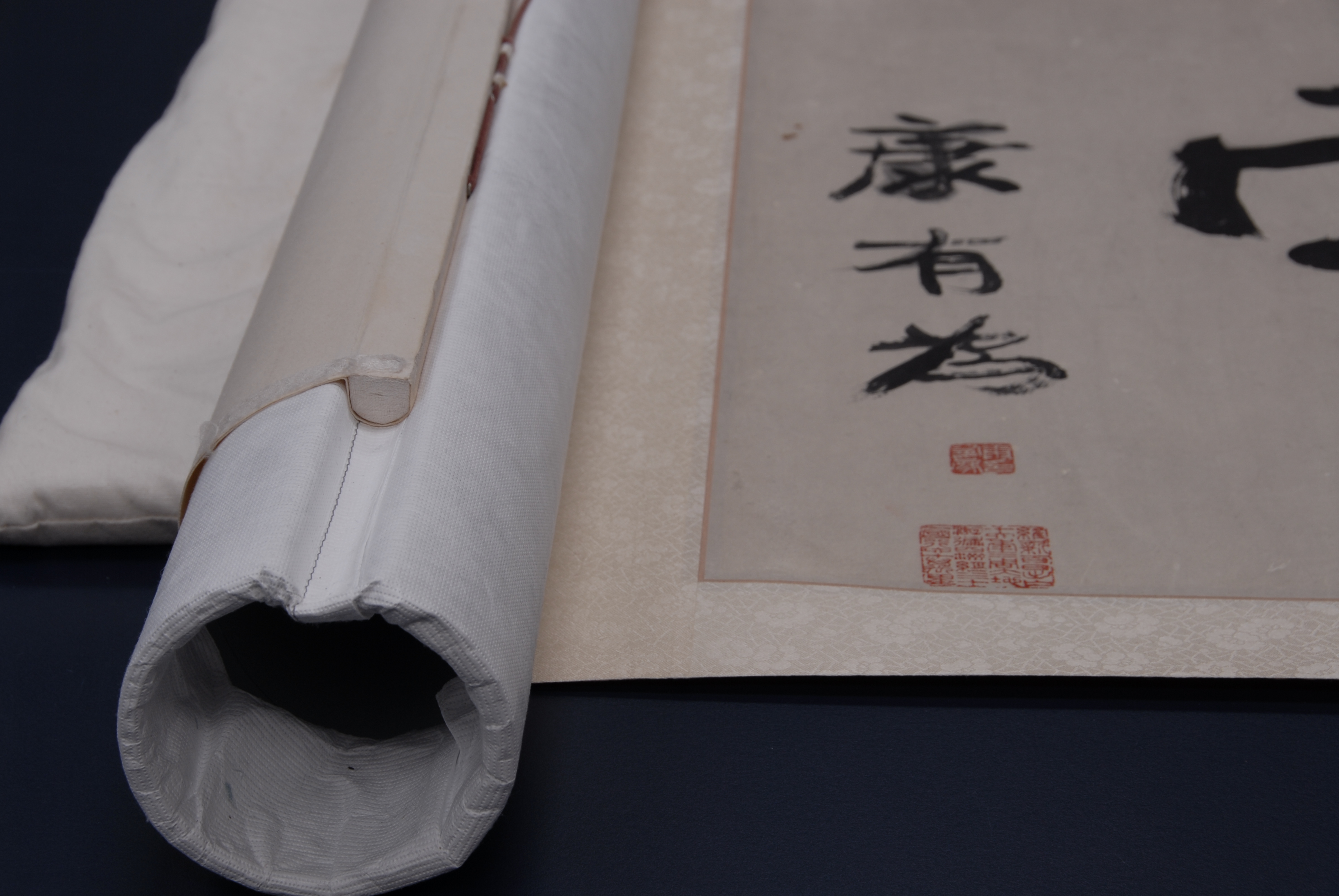
A condition report is a dated record of the object's visible state, not an assurance that it is sound. For significant or vulnerable works, commission a qualified conservator or suitably experienced registrar to examine and photograph the object before packing. Use consistent orientation, overall views and details of existing cracks, abrasions, losses, distortions or unstable components. Note limitations: a report based on photographs is not equivalent to an in-person examination.
Agree who signs off on the condition at pickup, on arrival and after unpacking. If a crate arrives damaged or wet, document the exterior before opening it and consult the shipper and insurer about the next steps. Do not attempt emergency cleaning or repairs without appropriate specialist advice.
Ask potential shippers about their experience with the specific medium, trained handlers, security practices, vehicle suspension and climate management, loading methods, subcontractors, storage stops and claims procedures. Request a written method statement for high-value or fragile works. Confirm who will pack, who will unpack, whether a courier or conservator should accompany the work, and whether access constraints require a site survey.
Compare quotes line by line. A low base price may exclude crate manufacture, condition reporting, insurance, customs brokerage, waiting time, stair carries, specialist lifting, storage, unpacking or disposal of packing materials. Establish a single accountable coordinator and an escalation contact for incidents.
Packing should restrain movement without pressing on vulnerable surfaces. Direct contact materials, cushioning, barriers and outer containers must be selected for the object's actual condition and composition. Avoid generic advice to wrap every object in plastic or bubble wrap: some materials can transfer texture or place pressure on sensitive finishes. Properly engineered moisture barriers can also protect objects, so the choice depends on object, climate, packing design and duration. Works with unstable paint, friable surfaces, soft coatings, projecting elements or delicate glazing require object-specific advice.
For many journeys, a properly designed rigid crate is appropriate; for some short, controlled movements, another method may be justified. Ask who has approved the packing specification and how the object will be secured inside. Document the packing sequence so it can be reversed safely at destination. Do not assume that a crate is waterproof, airtight or climate-controlled unless its specification explicitly establishes that property.
Temperature and relative humidity matter because artworks and their components respond differently to environmental change. The appropriate range and acceptable rate of change depend on materials, condition and conservation history. Do not treat one temperature or humidity target as safe for all paintings, photographs, wood, textiles and contemporary mixed-media works.
For sensitive works, ask a conservator whether the route requires insulated packing, environmental monitoring, a controlled vehicle or a staged acclimatisation period before opening. Condensation risk deserves particular attention when a cold crate enters a warm, humid interior. Monitor where justified, but remember that a data logger is only useful if someone is responsible for reviewing and acting on its readings.
The moment legal title passes is not necessarily the moment transport risk or insurance responsibility transfers. Read the sale agreement, shipping contract and insurance wording together. Confirm the insured value, named parties, geographic scope, deductibles, exclusions, transit and storage periods, and whether packing, unpacking and temporary holding are covered. Obtain written confirmation rather than relying on the phrase 'fully insured'.
Ask whether the shipper's liability is capped and whether a separate fine-art transit policy is needed. A shipping invoice, commercial invoice and valuation are different documents. For unusual or difficult-to-value objects, discuss the appropriate basis of valuation with the insurer or broker before the move.
Before crossing borders, determine whether export licensing, cultural-property restrictions, import declarations, customs classifications, temporary admission or other permissions apply. Requirements vary by country, age, value, material and the purpose of the movement. Temporary exhibition loans, permanent sales and works returning to their country of origin may follow different procedures. Certain materials can trigger additional wildlife or endangered-species controls.
Use a customs broker with art experience and check the requirements with the relevant government authority at the time of shipment. Do not assume that an invoice or proof of ownership is itself an export permit. Build in time for documentary checks, inspections and unexpected delays.
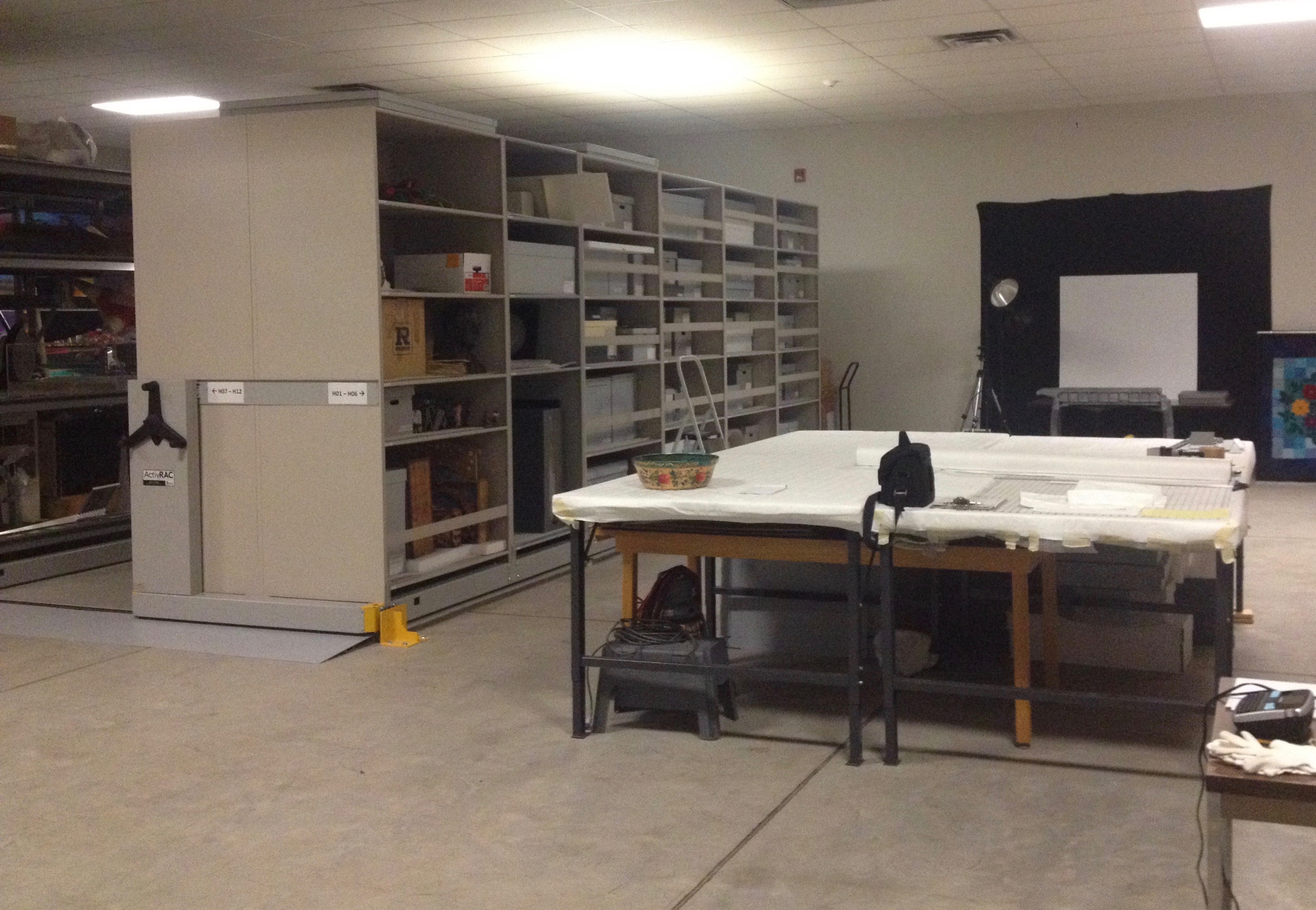
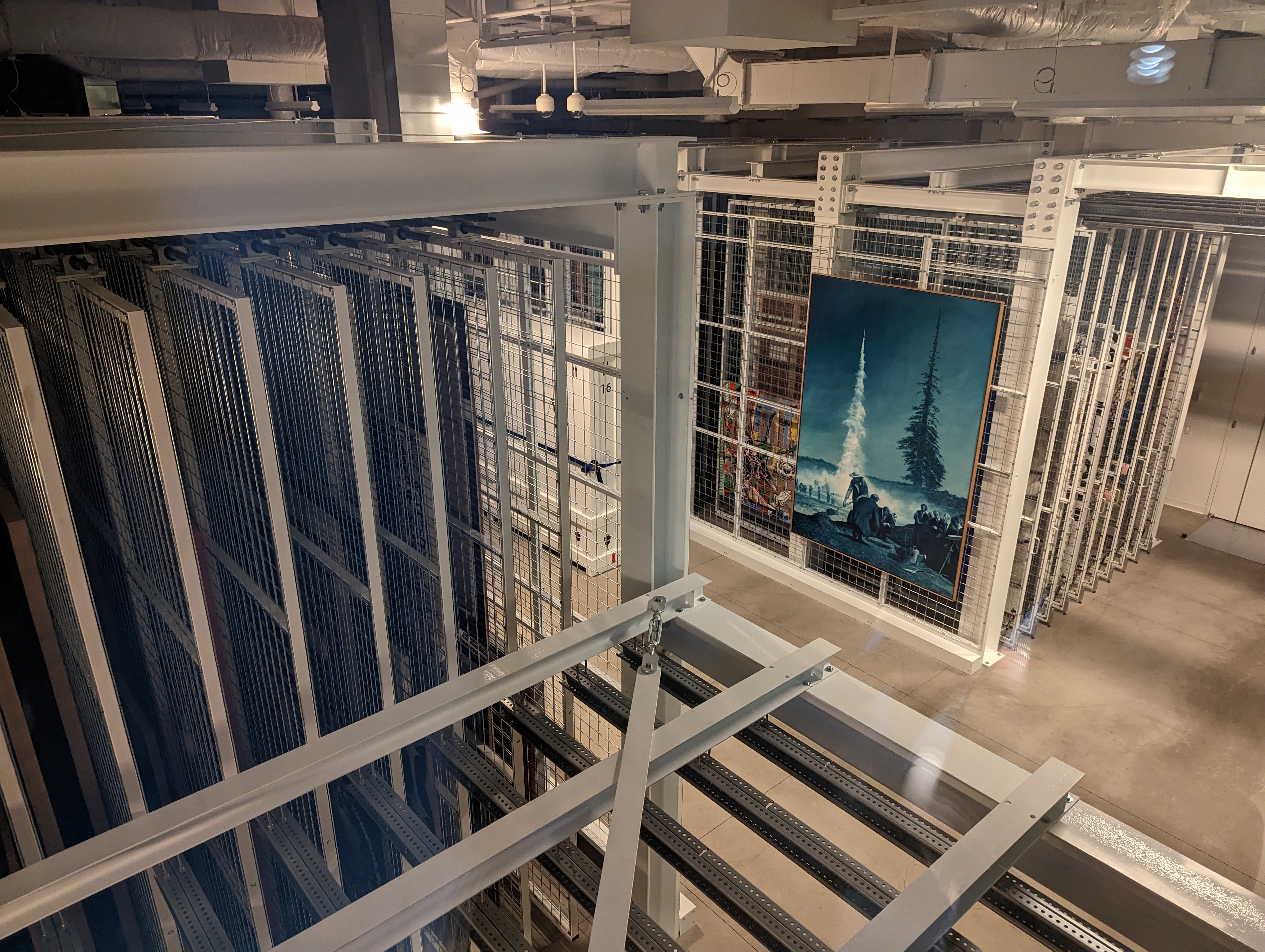
A secure warehouse is not automatically a suitable art store. Ask about access controls, fire detection and response, flood exposure, pest management, housekeeping, environmental monitoring, rack and pallet design, object separation, inventory procedures and emergency planning. Understand whether the artwork remains crated, how often it is inspected and whether a conservator can access it.
Avoid direct floor storage, overcrowding and unnecessary handling. For framed works, paintings, textiles, photographs and sculpture, the appropriate storage supports and orientation differ. Request a location-coded inventory and a clear policy for movement logs, authorised access and periodic condition checks. Review storage charges, release procedures and insurance at renewal.
Before arrival, verify door widths, lifts, turning radii, loading access, stairs, floor loads, wall construction and any building permissions. Agree who will supervise unpacking and where the work can safely rest. Photograph the crate and its seals on arrival, compare paperwork, and inspect the work in suitable light before signing an unconditional acceptance where the contract allows a documented exception.
Retain the packing photographs, condition reports, route records, customs papers, receipts, environmental data and incident correspondence with the collection inventory. A future conservator, insurer or buyer may need them years later. Installation itself deserves a separate specialist plan; do not improvise mounting hardware or electrical connections during delivery.
• Identify the exact object, condition, dimensions, weight and vulnerable features.
• Decide whether a conservator, registrar, artist studio or specialist fabricator must approve the move.
• Obtain a written packing, handling and transit method.
• Compare complete costs, including crating, access, customs, insurance and unpacking.
• Confirm when risk transfers and who insures every stage.
• Check export/import permissions before booking transport.
• Record condition before packing and after unpacking.
• Confirm receiving access, installation readiness and an incident-response contact.
• Archive the complete movement dossier in the collection inventory.
Please confirm who will personally handle and pack the work; whether any stage is subcontracted; the proposed crate and internal supports; vehicle and climate provisions; the full route and planned stops; the arrangements for customs; the precise insurance and liability terms; the documentation supplied at pickup and delivery; and the steps you will take if the work or crate is damaged or delayed. Please identify all costs excluded from your quotation and the person responsible for coordinating the move.
Consider a large contemporary painting purchased from a gallery abroad. Its price may be settled, but the work has a delicate surface, a deep frame and a destination apartment with a narrow stairwell. The correct sequence is to obtain detailed condition photographs and dimensions; ask a specialist to inspect the surface and design packing; survey the building; confirm the export and import pathway; establish insurance from pickup through installation; and book handlers equipped for the stair carry. The collector should not discover on delivery day that the crate cannot enter the building, nor should an installer remove the work from its protective packing before the room is ready.
Good logistics rarely attract attention when everything goes well. Their value lies in preserving the work's physical integrity and the quality of its records. A collector who treats each movement as a documented conservation event protects not only an acquisition but the possibility of lending, exhibiting, reselling and passing it on responsibly.
Spectrum is a museum collections standard. This guide adapts relevant professional practices for private collectors; it does not imply that museum accreditation requirements apply to private households. Packing, climate, insurance and customs decisions must be assessed for the particular work and journey. Sources checked on 20 November 2026.
How to Read a Condition Report · Art Insurance · How to Catalogue and Document an Art Collection
Collector Intelligence online is the living layer of our collector education programme: specific guidance can be updated as rules and practice change. The forthcoming Field Guide connects these decisions across the full life of a collection, while the Pocket Guide is designed for fast decisions in the field.
A practical collector’s guide to light, climate, framing, wall fixings, sculpture, installation planning and preventive care when displaying art at home.
From condition reports and packing to climate, insurance, customs and storage, a collector’s practical framework for moving art safely.
A rigorous step-by-step method for researching an artist, the specific work, institutional context, gallery representation, market history, provenance and risk.

How to buy from an art gallery with confidence: price, availability, documentation, condition, negotiation, shipping, resale expectations and the long-term relationship.