
November 19, 2026
Collector Intelligence
Collector Intelligence

A practical collector’s guide to light, climate, framing, wall fixings, sculpture, installation planning and preventive care when displaying art at home.
A practical collector’s guide to light, climate, framing, wall fixings, sculpture, installation planning and preventive care when displaying art at home.

Buying a work is only the beginning. The moment it goes on a wall, a plinth, a shelf or into a room, display becomes part of conservation. Light, heat, moisture, mounting, wall structure, foot traffic, vibration, cleaning routines and the behaviour of people in the space can all change the rate at which an artwork ages—or create a sudden loss event.
The useful question is not “What is the museum-standard way to hang art?” Private homes are not museums, and different objects tolerate different conditions. The better question is: what is this work made of, what is vulnerable, what does this room expose it to, and what level of intervention is proportionate?
This guide turns that question into a repeatable installation method for private collectors. Its preventive-care principles draw on current guidance from the Canadian Conservation Institute and the Smithsonian Museum Conservation Institute. It does not substitute for a conservator, structural engineer, qualified installer or electrician where the object or building requires one.
Before choosing a location, identify the object's materials, dimensions, weight, frame or mount, glazing, protruding elements, moving parts, electrical requirements and known condition issues. If the work arrived with artist, studio, gallery, fabricator or conservator instructions, keep those instructions with the object record and use them.
A large painting may look visually simple but still have a vulnerable stretcher, fragile frame, unstable paint or unusual hanging hardware. A sculpture may have a high centre of gravity. A photographic work may be extremely light-sensitive. A video installation may depend on specific playback hardware, software, aspect ratios or room conditions.
Photograph the front, back, frame, labels and mounting hardware before installation. If the work is newly acquired, compare the condition on arrival with the pre-shipment report before anyone starts drilling, lifting or assembling.
Collector rule: installation begins with the object's construction and condition, not with interior design.
Walk through the space at different times of day. A wall that looks ideal in the morning may receive direct sun for hours every afternoon. A position that seems quiet may sit above a radiator, below an air-conditioning vent or in the path of a frequently opened door.
Check five exposure groups: light; heat and airflow; water and moisture; physical contact; and structural risk. Direct sun, skylights, fireplaces, radiators, vents, plumbing, exterior damp, narrow corridors, pets, children, cleaning equipment, vibration and unsuitable wall construction all deserve attention before installation.
The goal is not to make the home risk-free. It is to remove exposures that are easy to avoid before they become damage.

Light damage is cumulative and irreversible for sensitive materials. The Canadian Conservation Institute explains that total light exposure reflects both intensity and duration: reducing either reduces the dose. Works on paper, photographs, textiles, watercolours and fugitive pigments generally deserve more caution than robust materials.
That is why one universal “safe lux level” is a poor household rule. Sensitivity varies by material, pigment, prior exposure and condition. Even within paintings, some colours can be far more light-sensitive than others.
Useful controls include moving a work away from direct sun, using blinds or shutters, reducing unnecessary artificial illumination, switching lights off when a room is unused, using appropriate UV-filtering glazing where relevant and rotating sensitive works instead of displaying them continuously.
A phone light-meter application can reveal dramatic differences between locations, but it is not a substitute for calibrated measurement when the work is particularly sensitive or valuable. Do not wait for fading to prove that a location was too bright: by the time the change is visible, the damage has already occurred.
Relative humidity and temperature matter because many materials expand, contract, embrittle, corrode, warp or support biological growth under adverse conditions. Yet the most useful household principle is often stability and avoidance of extremes rather than trying to force every room to one museum set point.
CCI guidance for paintings warns about damaging fluctuations, while Smithsonian guidance similarly advises avoiding heat sources, moisture and rapid humidity change. For a collector, the practical actions are straightforward: keep art away from radiators, fireplaces and direct HVAC blasts; avoid persistently damp walls and repeated condensation; and use data loggers where a room, object or collection justifies monitoring.
Owning a sensor is not the same as managing the environment. Review the readings, understand the normal range and investigate meaningful changes. If a work has mixed media, a complicated treatment history, a wood panel, unstable paint or other hygroscopic components, object-specific conservation advice matters more than a generic number.
A frame can provide physical protection, environmental buffering, glazing and a safe method of attachment. It can also cause harm when poor materials, adhesives or pressure are placed against the artwork.
Works on paper and photographs should be mounted with materials and methods appropriate to their sensitivity and with reversibility in mind. Avoid permanent pressure-sensitive tape or adhesive directly on original material unless a conservator has specifically justified it. The work should not be allowed to touch glazing where that creates a risk.
For paintings, the frame and back protection can reduce damage from handling, impact, dust and accidental contact. Do not discard an original or historically significant frame merely because a new interior scheme calls for something different. Record and retain it where it forms part of the work's history.
The hanging system must be designed around the artwork's total weight, the wall construction and the fixing method. Plasterboard, masonry, timber studs, stone, brick and specialist wall systems behave differently. A large or heavy work should not be installed by extrapolating from a small picture hook.
Smithsonian guidance recommends sturdy, appropriately sized hardware and notes that large or heavy paintings require suitable anchoring. The broader collector lesson is more important than any single hardware prescription: the wall, hardware, object and installation method must be treated as one load-bearing system.
For significant weight, uncertain substrates, valuable works or unusual geometry, use professional art installers and seek structural advice where needed. Ask for the fixing method and load assumptions to be documented. Consider not only the probability of failure but the consequence: a heavy object above a bed, seating area or route of movement deserves a higher safety threshold.

A sculpture can be stable in a quiet gallery and vulnerable in an active home. Consider centre of gravity, base dimensions, weight distribution, floor level, vibration and accidental contact. A narrow plinth may increase visual drama while also increasing risk.
Ask whether the object should be mechanically secured, pinned, anchored, restrained or protected by a discreet barrier. The correct method depends on the object and its base; improvised adhesives can stain or damage surfaces. Heavy sculpture may also require floor-loading assessment, a lifting plan, specialist equipment and a checked route from delivery point to final position.
Outdoor sculpture adds further variables: drainage, freeze-thaw cycles, corrosion, wind loading, biological growth, foundations, irrigation, landscaping equipment and maintenance access.

For installation art, time-based media, light works, kinetic sculpture and works incorporating electronics, the physical object may be only one part of the artwork. Preserve artist or studio instructions, diagrams, approved dimensions, spatial relationships, equipment lists, software versions, replacement rules, colour-temperature requirements, sound levels and any information about acceptable variation.
Photograph each completed installation and retain a floor plan where useful. Record who installed it and any decisions made during the process. If a component becomes obsolete, do not assume that replacing it with the newest equivalent preserves the work; artist intent, contractual terms and the conservation strategy may determine what can change.
This is an area where the full Collector Intelligence Field Guide goes further than the online article: it connects installation decisions to digital-art ownership, documentation, authenticity, insurance, lending and long-term obsolescence.
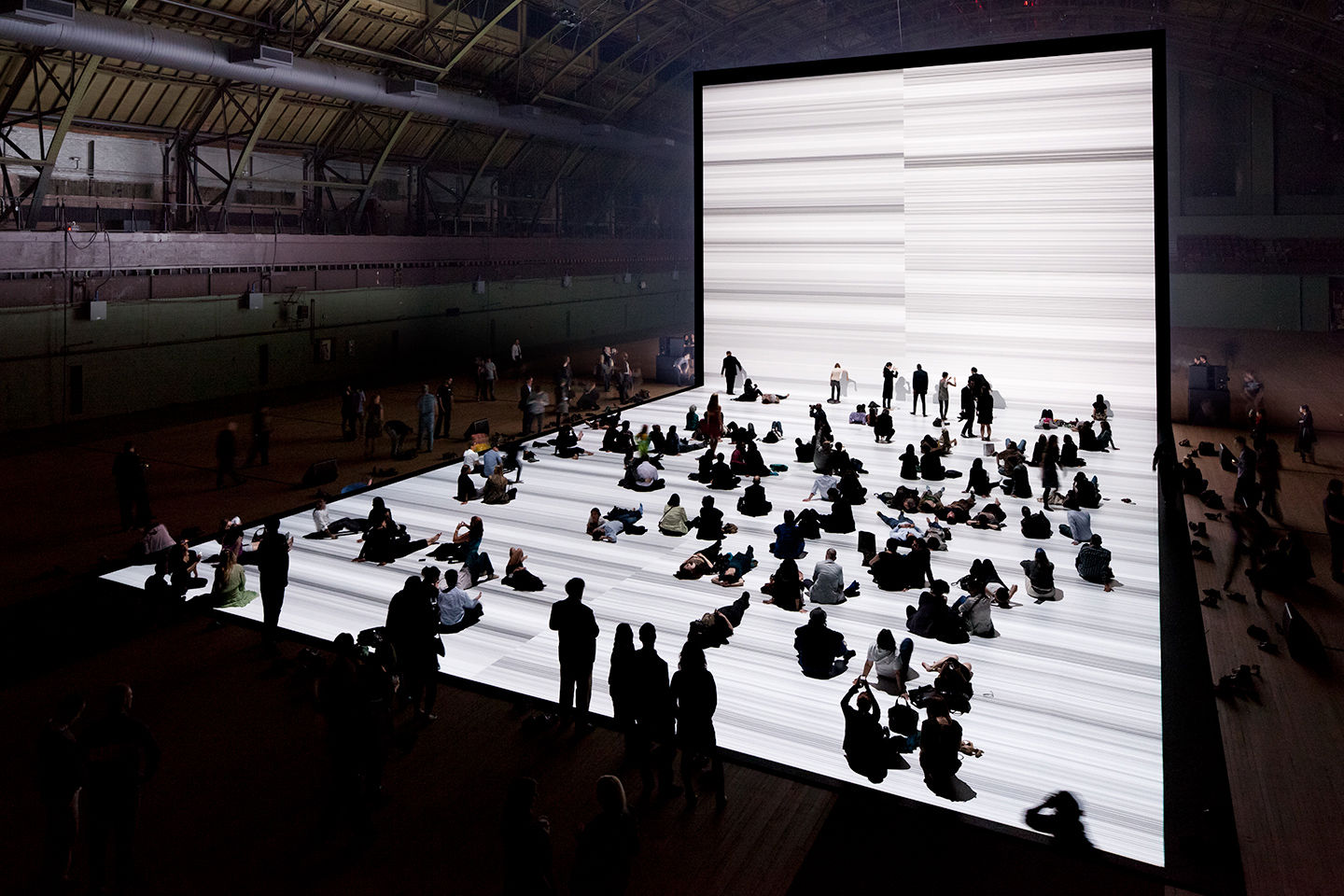
Risk often rises during installation because objects are unpacked, moved, leaned temporarily and handled around ladders, tools and furniture. Clear the route and installation area; provide a padded clean resting surface; confirm the object is stable enough to move; use enough trained people for the weight and size; and keep food, drinks, pens, wet cleaning materials and unnecessary tools away.
Remove jewellery, watches or other items that can scratch surfaces when handling warrants it. Photograph condition before and after. Make one person responsible for the installation decision rather than allowing several contractors to improvise.
CCI handling guidance emphasises planning the move, using sufficient handlers and checking that a painting and frame are stable before moving. Those principles translate directly to private installation.
Many household accidents happen months after the installer leaves. A cleaner sprays glass cleaner near an unglazed painting; a ladder strikes a frame; a florist places water beneath a work on paper; a contractor removes an artwork without knowing how it is secured.
Give household staff, property managers and regular contractors a short art-care protocol. Identify works that should never be moved without instruction. Mark specialist electrical systems and keep emergency or registrar contacts accessible.
Cleaning glazing is not the same as cleaning the artwork. Never apply household cleaning products to an artwork's surface. If paint is flaking, a surface is powdery or a coating has changed, stop and ask a conservator before dusting or wiping.
Installation hardware ages too. Wires fatigue, fixings loosen, adhesives fail, walls change and furniture gets moved. Smithsonian guidance recommends periodic checks of the mechanical devices holding paintings in place.
Add installation review to the annual collection audit. Look behind frames where safe. Check wires, hooks, security fittings, plinth stability, cable strain, equipment ventilation and any signs of wall moisture. Confirm that daylight patterns have not changed because blinds were removed, trees were cut back or a new lighting scheme was installed.
For significant works, record the installation date and installer. A simple hardware and wall-location record can be extremely useful when a work is moved, lent, insured or reinstalled years later.
Pause when the paint, frame or support is unstable; reliable weight or wall information is missing; direct sun or repeated moisture cannot be controlled; electrical, structural or engineering decisions exceed the installer's competence; artist instructions are missing for a complex work; possible transit damage has appeared; the only proposed method irreversibly alters the work; or the room is still an active construction site.
Delay is often cheaper than repair.
• Current condition has been photographed.
• Weight, dimensions and hardware are known.
• The location has been checked at different times of day.
• Direct sunlight, heat, moisture and traffic risks have been assessed.
• The wall and fixing method are appropriate.
• Glazing, mount and frame are suitable for the material.
• Complex works have complete installation instructions.
• Trained handlers and any specialist equipment are booked.
• Electrical or structural work is complete before the artwork enters the area.
• The final installation is photographed and recorded in the object file.
Keep the current location, installation date, installer, hanging or anchoring method, wall type where relevant, frame and glazing specification, environmental or light measurements if taken, completed installation photographs and all artist, studio or conservator instructions.
For complex works, retain diagrams, software and hardware records, replacement rules and a record of any approved changes.
Good display does not mean making a private home behave like a conservation laboratory. It means understanding what can change the artwork, eliminating exposures that add little to the experience of living with it, and documenting decisions that future custodians would otherwise have to reconstruct.
A well-installed collection can still feel intimate, surprising and lived-in. The point of preventive care is not to make art untouchable. It is to make sure the choices that allow you to live with a work today do not unnecessarily reduce what remains for tomorrow.
Canadian Conservation Institute — Caring for paintings.
Canadian Conservation Institute — Environmental Guidelines for Paintings, CCI Notes 10/4.
Canadian Conservation Institute — Basic care: Works of art on paper.
Museum Conservation Institute, Smithsonian Institution — Caring for Your Paintings.
Editorial scope note: these institutional sources are written substantially for museums and collection care. Collector Intelligence adapts their preventive-care principles for private collections. The guide does not impose museum accreditation standards on private homes and does not present one universal light, temperature or relative-humidity target as suitable for every artwork.
A practical collector’s guide to light, climate, framing, wall fixings, sculpture, installation planning and preventive care when displaying art at home.
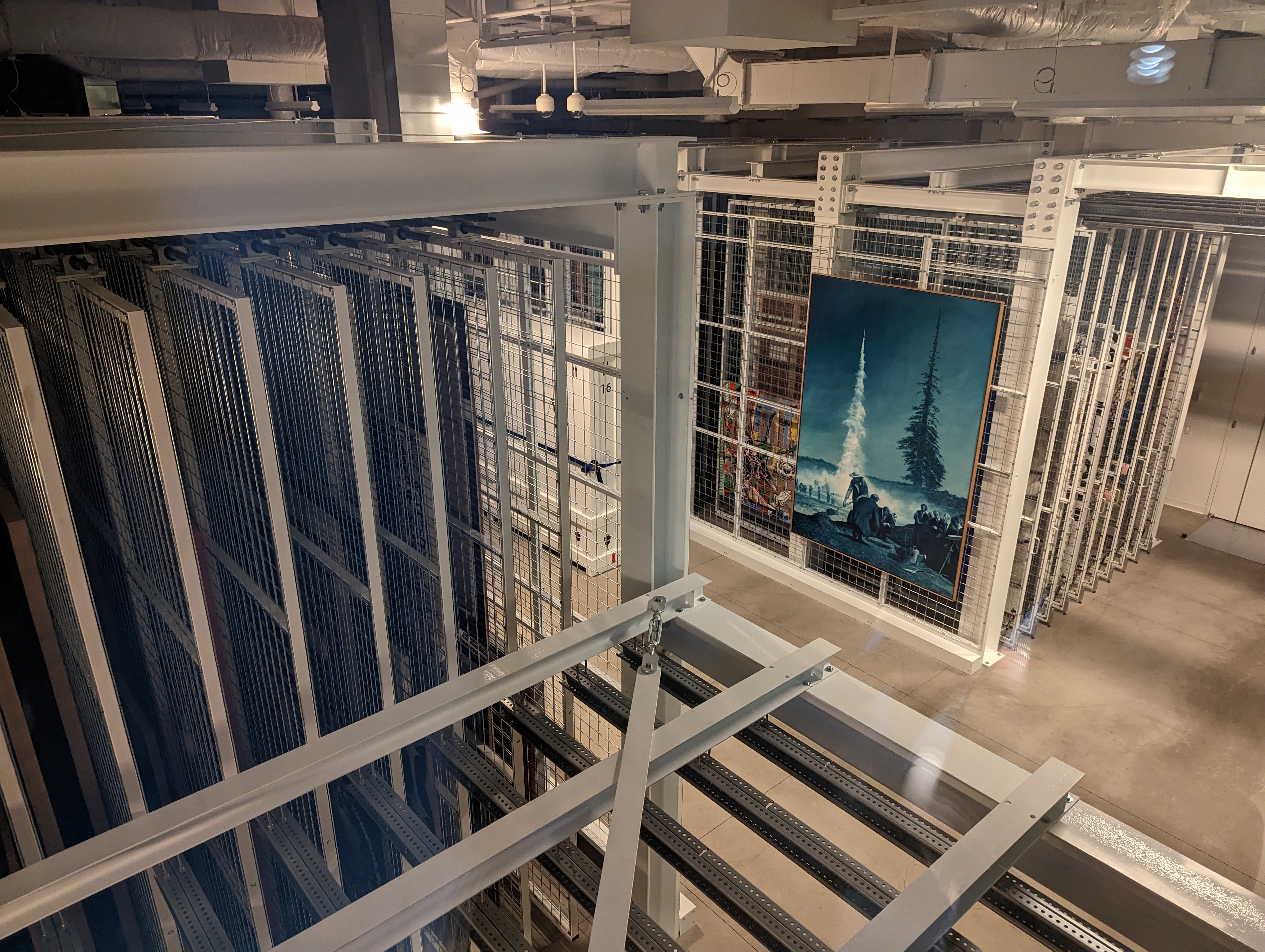
From condition reports and packing to climate, insurance, customs and storage, a collector’s practical framework for moving art safely.
A rigorous step-by-step method for researching an artist, the specific work, institutional context, gallery representation, market history, provenance and risk.

How to buy from an art gallery with confidence: price, availability, documentation, condition, negotiation, shipping, resale expectations and the long-term relationship.