
November 19, 2026
Collector Intelligence
Collector Intelligence

A practical collector’s guide to light, climate, framing, wall fixings, sculpture, installation planning and preventive care when displaying art at home.
How to read an art condition report, understand restoration and damage, ask the right questions and know when to bring in an independent conservator.

Collector Intelligence | Last reviewed 18 November 2026
A condition report is a written assessment of an artwork’s physical state at a particular moment. It can tell you about damage, restoration, fading, repairs, structural issues and signs of age, but it is not a guarantee that every defect has been identified. At auction, major houses explicitly state that works are sold “as is,” and that condition reports are guidance rather than warranties.
For collectors, the practical question is not whether a work is “perfect.” It is whether you understand its current state, whether that state is appropriate for the object, and whether future conservation or loss of value has been reflected in your decision.

Condition terminology can be understated. Phrases such as “minor surface wear,” “scattered retouching,” “previous restoration,” “handling marks” or “stable craquelure” are descriptions, not conclusions about whether you should buy. Ask where the issue is, how extensive it is and whether it is visible under normal viewing conditions.
If an auction-house report says the lot has not been examined out of its frame, understand what that leaves unknown. If a sculpture has been viewed only assembled, ask whether joins or internal supports were inspected.

The most useful report is a history, not merely a snapshot. Has the work been restored? Relined? Cleaned? Reframed? Revarnished? Repaired? Repainted? Re-mounted? Recast? Had components replaced? A competent seller should distinguish an original artist-applied surface from later intervention.
Restoration is not automatically negative. Older works often require conservation. The issue is whether treatment is appropriate, documented and proportionate to the object.
Paintings can show cracking, lifting, flaking, abrasion, retouching, discoloured varnish or canvas deformation. Works on paper can fade, fox, stain, cockle or suffer adhesive damage. Sculpture can crack, corrode, warp, lose patina or develop structural weakness. Photographs may fade, silver, scratch or suffer mounting problems. Textiles may stretch, fade or weaken. Time-based and digital works can face obsolete hardware, software dependencies and migration risks.

Ask for high-resolution front and reverse images, details of signatures and labels, frame corners, edges and any area mentioned in the report. Raking light can reveal surface distortion; ultraviolet or infrared examination may be useful in specialist contexts. A phone photograph of a problem area is often more useful than another polished catalogue image.
Exhibition catalogues, auction records and gallery archives can show whether cracks, stains, losses or repairs are new. Earlier installation photographs may reveal missing components or changes in presentation. For editioned or fabricated works, compare with other authorised examples.

A scratch on a frame is not the same as paint loss. A replaced projector may be acceptable for one media work and fundamentally alter another. A sculpture intended to weather outdoors should not be judged by the standards of a pristine indoor object.
Condition must be interpreted through the artist’s materials and intention. This is where conservators and artist studios can be more useful than generic notions of “good” and “bad.”
If the condition issue could change the price, authenticity, safety or future display of the work, commission an independent conservator before you buy when possible. The cost is small compared with discovering after purchase that an apparently minor problem is expensive or irreversible.
For large, fragile or technologically complex works, ask the conservator to comment on installation, packing, transit and storage as well as current condition.

Condition affects desirability differently across categories. A heavily restored Old Master may still be important. A pristine but unimportant work is not automatically a better acquisition. For contemporary art, avoid the opposite error: assuming recent date means condition is irrelevant.
Ask how the condition compares with similar works and whether future conservation costs have been considered in the asking price.
Keep the report, photographs and correspondence in your permanent collection record. Date the report. If the work is valuable, photograph it immediately after installation. This baseline becomes important for insurance claims, loans, transport disputes and future conservation.
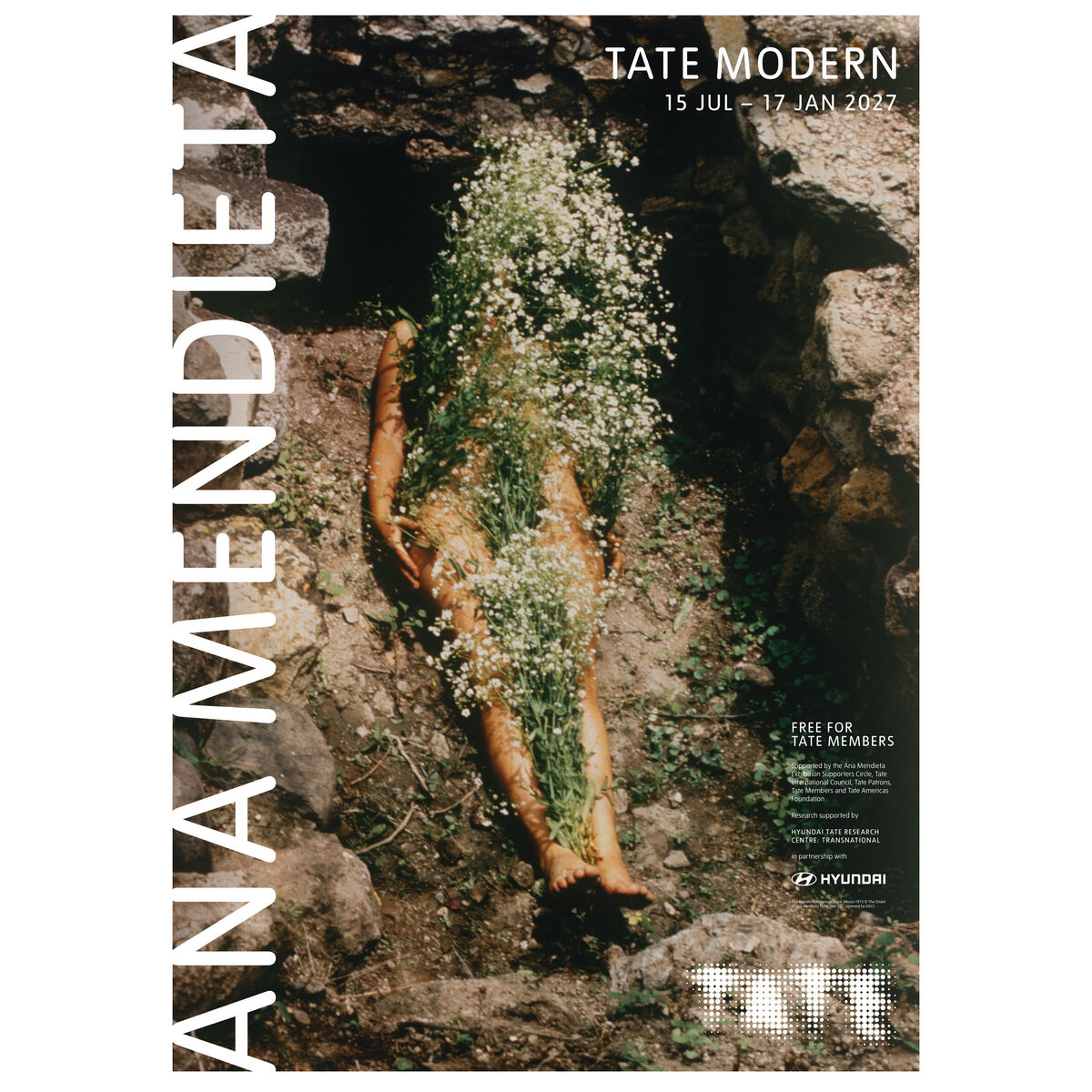
Condition reports are time-stamped. A report prepared before a sale does not describe the work forever. For museum loans, major relocations or conservation treatment, create a new report or update the existing one. Compare departure and arrival condition after transport.
Christie’s: What Are Condition Reports?
Sotheby’s: Guide for Buyers — Condition of Lots
Condition assessment is specialist work. This guide is educational and does not replace examination by a qualified conservator.
A practical collector’s guide to light, climate, framing, wall fixings, sculpture, installation planning and preventive care when displaying art at home.
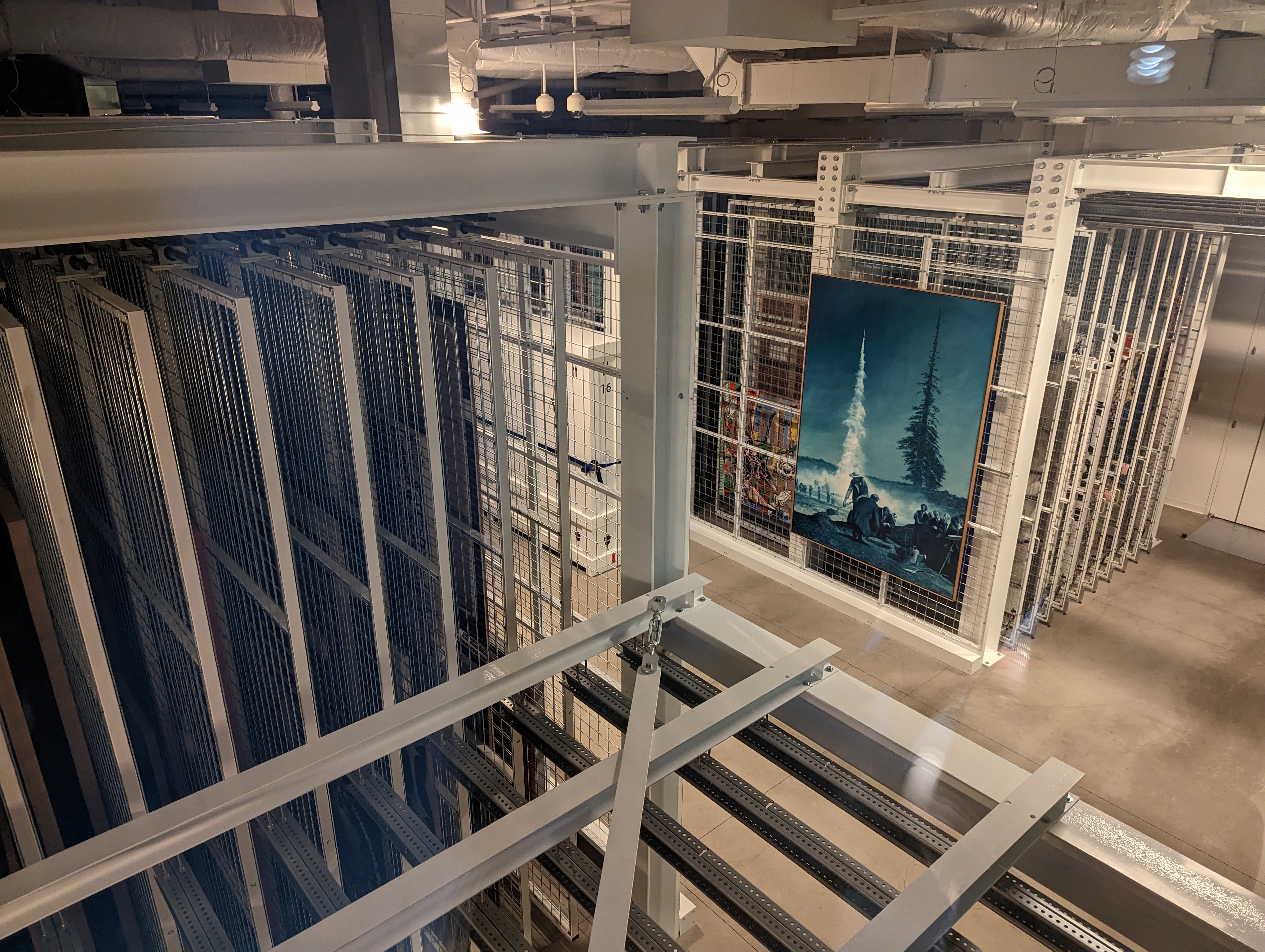
From condition reports and packing to climate, insurance, customs and storage, a collector’s practical framework for moving art safely.
A rigorous step-by-step method for researching an artist, the specific work, institutional context, gallery representation, market history, provenance and risk.

How to buy from an art gallery with confidence: price, availability, documentation, condition, negotiation, shipping, resale expectations and the long-term relationship.