
November 19, 2026
Collector Intelligence
Collector Intelligence

A practical collector’s guide to light, climate, framing, wall fixings, sculpture, installation planning and preventive care when displaying art at home.
A practical framework for understanding art prices: primary and secondary markets, comparables, scarcity, condition, provenance, editions and the real all-in cost.

Collector Intelligence | Last reviewed 18 November 2026
Art prices can look mysterious because there is no single formula, but they are not random. The useful collector question is not “What is this artist worth?” It is “Why is this specific work priced at this level, relative to comparable works and the artist’s current market?”
Current 2026 collector guidance from Artsy identifies supply and demand, reputation, exhibition history and negotiation as important factors, and recommends comparing works by the same artist according to size, medium, date and edition. That is a good starting framework—provided you also distinguish primary-market pricing from secondary-market evidence.

On the primary market, galleries commonly establish price bands across an artist’s practice. Larger paintings may cost more than smaller ones; sculpture may follow another structure; works on paper and editions may provide lower entry points. Complexity, material cost and production time can matter, but market demand and career stage also influence pricing.
Ask the gallery for comparable works by the same artist rather than comparing across unrelated artists simply because the works look similar.
A meaningful comparable should be similar in medium, scale, date, series, subject, edition size, provenance and condition. An auction record for a monumental 1980s painting tells you little about a recent small work on paper unless the market for the artist is extremely thin.
A gallery asking price is a proposal. An auction hammer is a recorded transaction before buyer’s premium. An auction “price realised” often includes premium. A private-sale price may never become public. These numbers answer different questions and should not be mixed casually.
When comparing auction results, verify whether the database shows hammer or premium-inclusive figures and which currency and date are being used.
For an emerging artist, there may be no meaningful auction market at all. That is not inherently a weakness. For an established artist, secondary-market results can help test whether primary prices are disciplined. Trouble can arise when auction speculation runs far ahead of the gallery’s primary market, encouraging short-term resale and unstable expectations.

Gallery representation, museum exhibitions, acquisitions, scholarship and critical attention can strengthen confidence in an artist’s long-term importance, but none mechanically determines a price. Institutions make curatorial decisions, not market forecasts.
Use career evidence to understand the practice and durability of attention, not as a spreadsheet multiplier.
A genuinely rare early work, important series or historically significant object may command a premium. Limited availability can also result from deliberate gallery supply management. Ask whether scarcity comes from the artist’s actual production, the rarity of the period or simply how much inventory is being released.
A strong ownership history can add confidence and, sometimes, desirability. Significant restoration can reduce value in some categories while being expected in others. A clean condition report does not create value by itself, but unresolved problems can destroy comparability.
A unique painting and an edition of 100 do not offer the same scarcity. For prints, photography and sculpture, check total edition size, artist’s proofs, hors commerce examples, variants and whether the same image was issued in multiple formats.
At auction, add buyer’s premium, tax, royalty, shipping and insurance. At a gallery, add tax, framing, packing, transport and installation where relevant. A work that looks cheaper on the invoice can cost more once ownership begins.
A disciplined collector should be able to describe the evidence that would make them change their view. If the price only makes sense because you assume the artist will rise, you are making a forecast rather than evaluating the work. If comparable transactions are much lower, ask why. If there are no comparables, accept that uncertainty rather than inventing precision.

Artsy, July 2026: How Artwork Pricing Works—and How to Know if You’re Getting a Good Deal
Collections Trust: Valuation — Spectrum Standard
Market prices change continuously. Collector Intelligence does not provide personalised valuations or investment advice.
A practical collector’s guide to light, climate, framing, wall fixings, sculpture, installation planning and preventive care when displaying art at home.
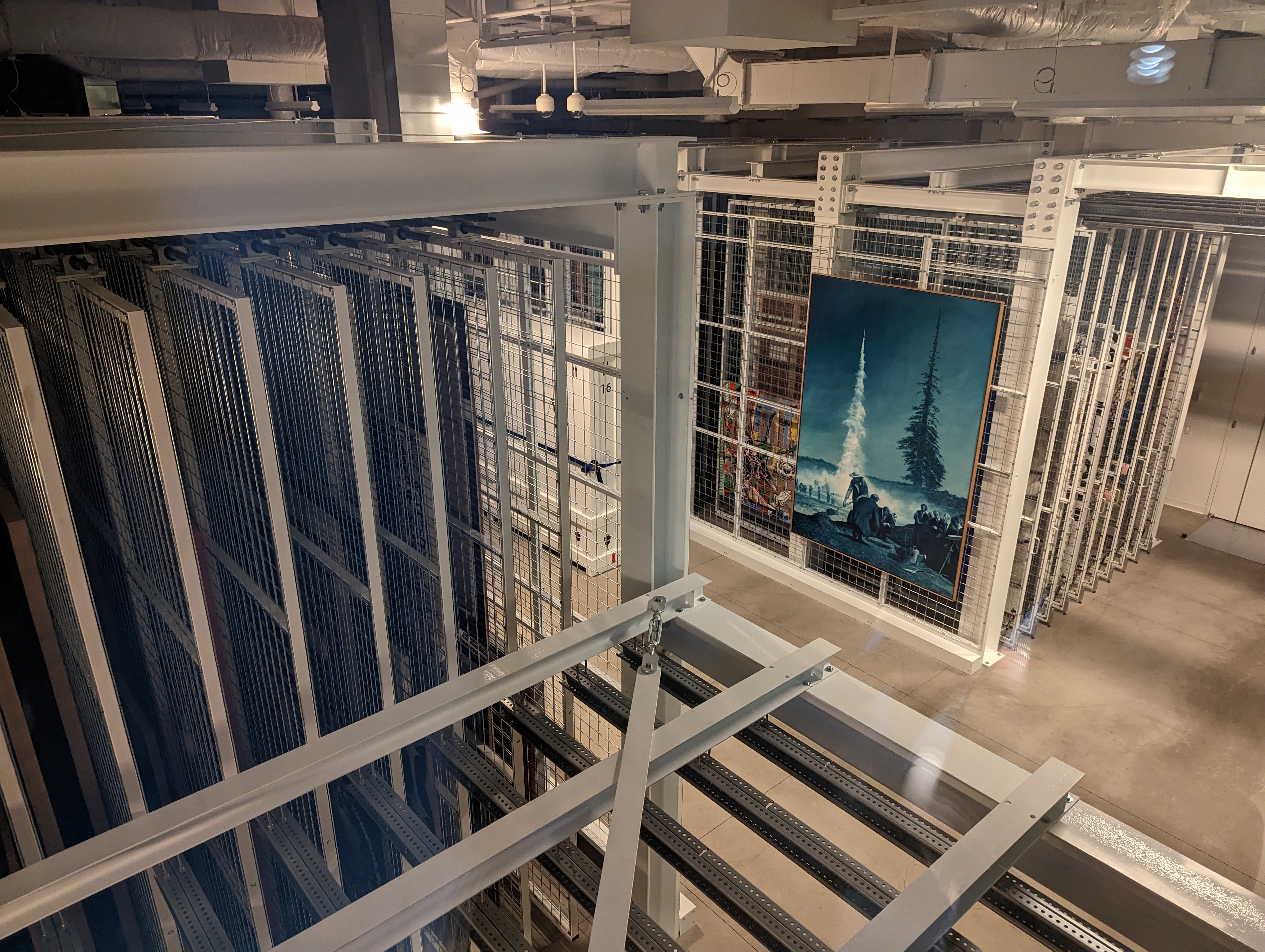
From condition reports and packing to climate, insurance, customs and storage, a collector’s practical framework for moving art safely.
A rigorous step-by-step method for researching an artist, the specific work, institutional context, gallery representation, market history, provenance and risk.
How to buy from an art gallery with confidence: price, availability, documentation, condition, negotiation, shipping, resale expectations and the long-term relationship.