
September 29, 2026
Exhibitions
Exhibitions
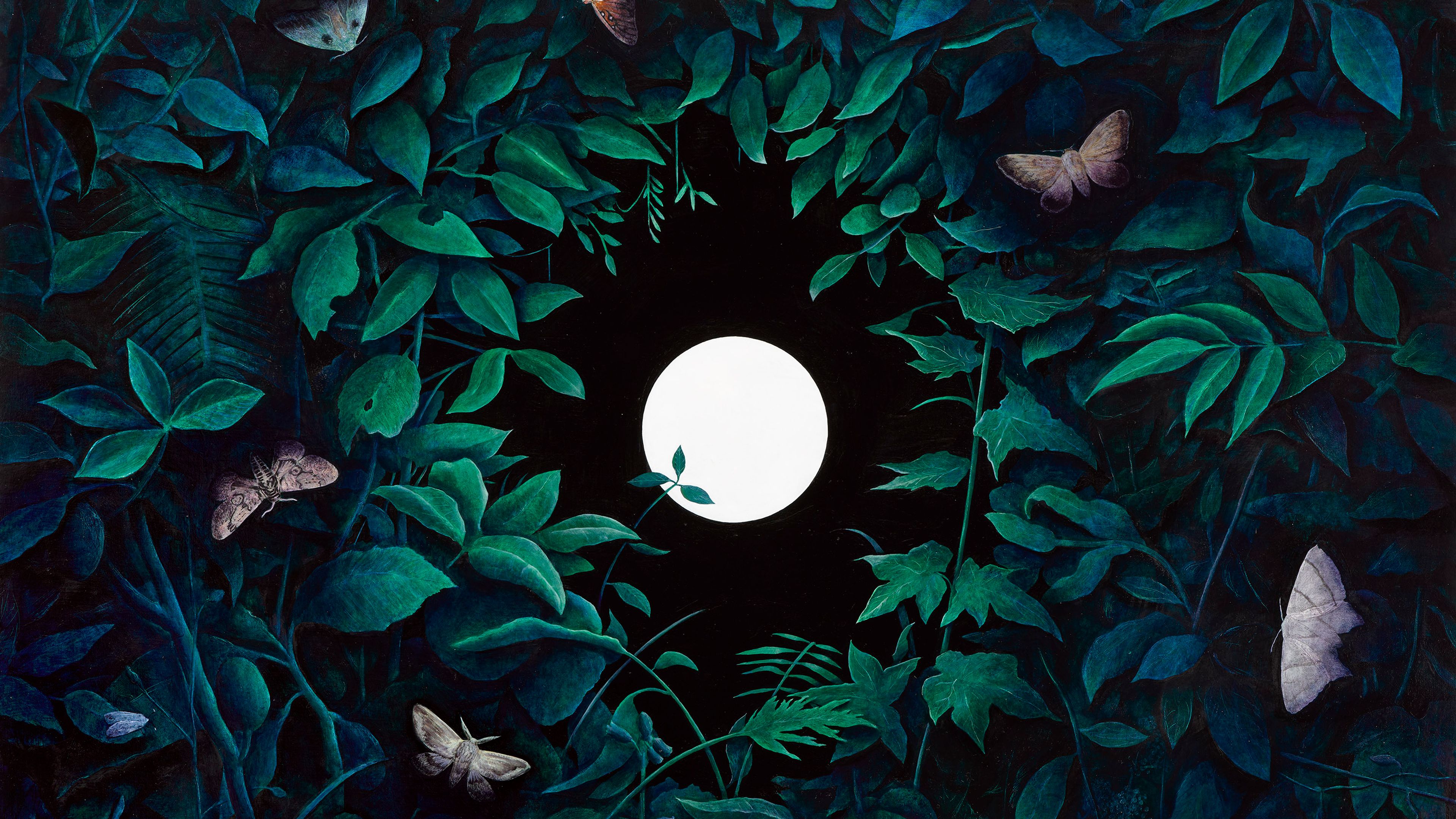
For his first UK solo presentation and first exhibition with David Zwirner, Daichi Takagi turns stones, moonlight, leaves and ancient trees into paintings poised between exact observation and the surreal.
LACMA’s largest survey of Reiko Sudō and NUNO asks a collector’s question hiding in plain sight: when does fabric become an authored, editioned and historically important object of design?
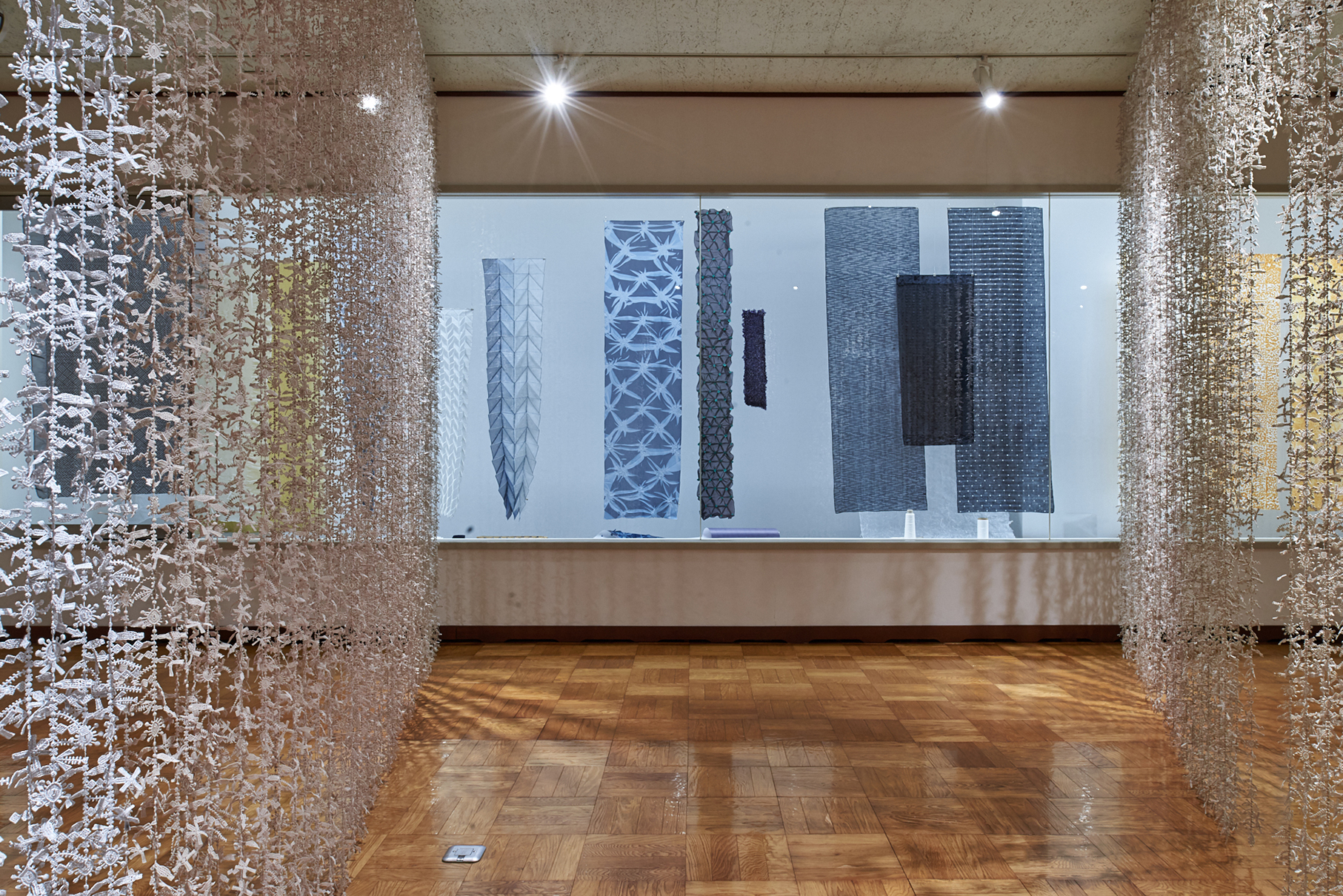
Textiles are among the most sophisticated objects in many interiors and among the least confidently collected. They are touched, stretched, folded, faded, upholstered, hung and lived with; their intimacy is precisely what has often kept them outside the hierarchies applied to painting, sculpture and collectible furniture. Reiko Sudō’s work with NUNO makes that hierarchy increasingly difficult to defend.
Opening at LACMA on 20 September, Textile Alchemy: The Art of Reiko Sudō & NUNO is the largest in-depth survey of Sudō’s textiles to date. The exhibition brings together more than 100 limited-edition textiles with drawings, sketches, raw materials, tools, mock-ups and prototypes, tracing more than four decades in which NUNO has combined Japanese craft knowledge with industrial processes, unconventional fibres and persistent experimentation.
For ARTCOLLECTORHOMES, the exhibition is useful not simply because the textiles are beautiful. It offers a framework for understanding when fabric stops being a surface treatment and becomes a collectible work of design.
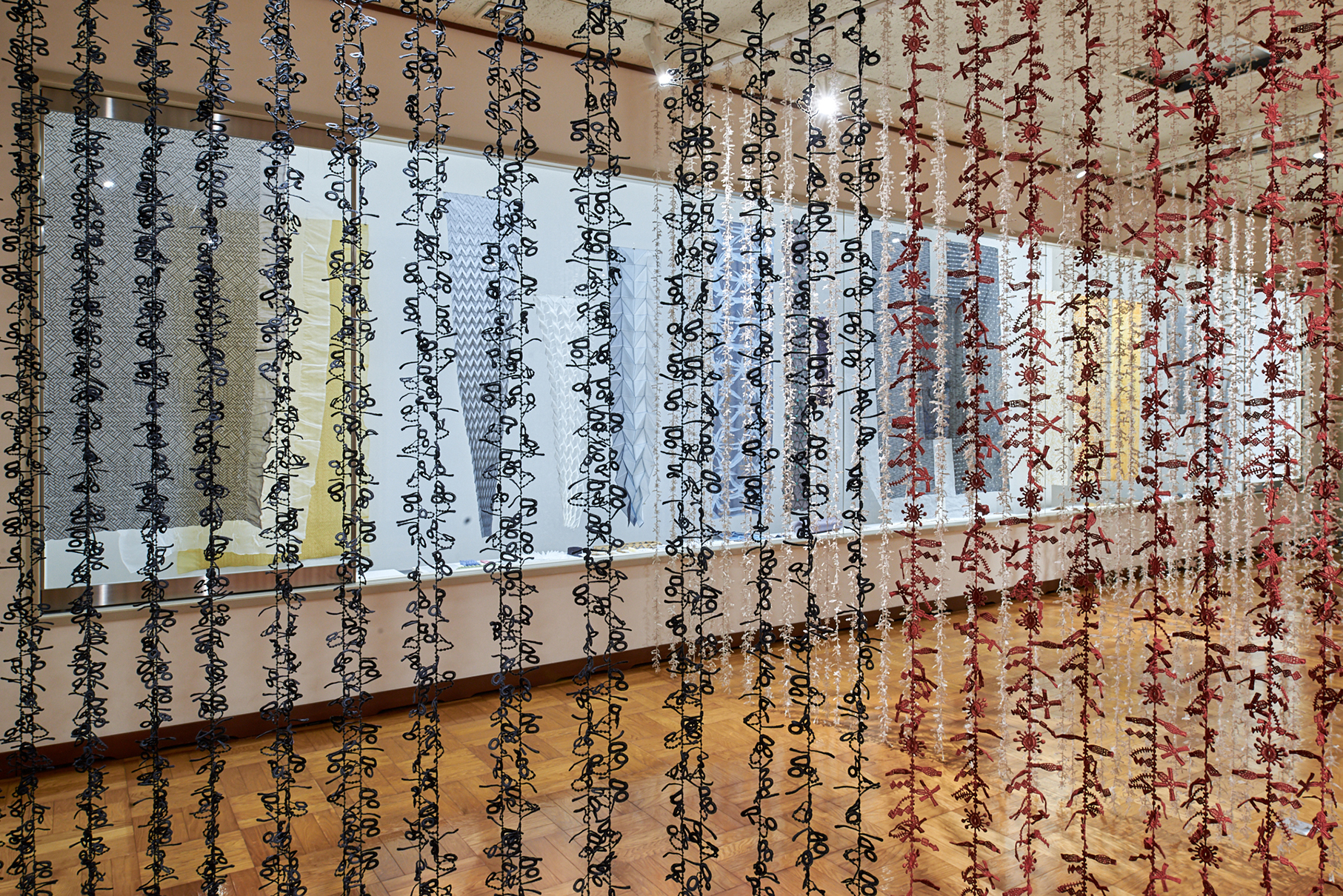
The first distinction is authorship. Much interior fabric is selected through pattern, colour, durability and brand. NUNO’s textiles are better understood through the same questions collectors ask of furniture or studio ceramics: who designed it, how was it made, which workshop realised it, what technical problem did it solve, was it produced in a limited run, and how is the object documented?
Sudō has led NUNO for decades through a model that deliberately connects individual design authorship to specialist production. The studio collaborates with independent artisans and industrial workshops across Japan, often adapting regional techniques rather than treating them as fixed traditions. A textile may begin with hand-made washi, silk, nylon tape, thermoplastic material or an industrial by-product and arrive at a surface that seems almost impossible to reverse-engineer by sight.
That relationship between designer and maker is central to collectibility. In the strongest examples, process is not hidden behind the finished pattern. It is the subject of the work.
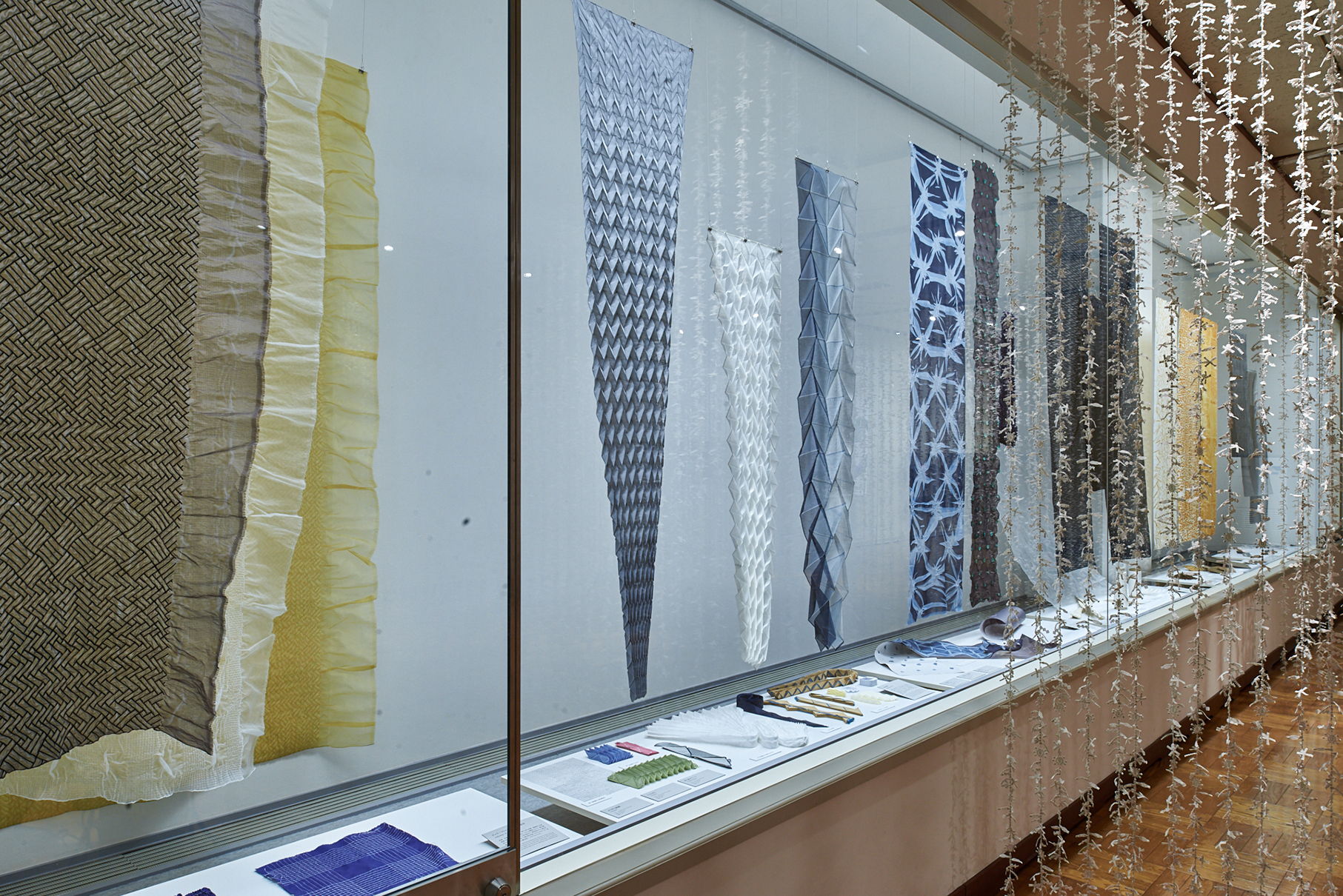
A collector looking at a NUNO textile should therefore resist the temptation to ask only whether it would work in a room. The more useful questions concern construction. Is the pattern woven into the cloth or applied after weaving? Does heat, chemical treatment or washing transform the surface? Is a familiar craft process being used conventionally, or has it been redirected toward an unexpected result?
LACMA’s decision to show tools, prototypes and raw materials alongside finished cloth is important because textiles can otherwise conceal their intelligence. A painting advertises the evidence of the brush. A chair exposes its joints. Fabric can appear effortless even when it depends on unusually complex relationships among fibre, loom, finishing and handwork.
For collectors, preserving that production history is part of provenance. Samples, labels, invoices, exhibition catalogues and information about the workshop can become crucial decades later, especially when a textile has been cut, upholstered or incorporated into an architectural setting.
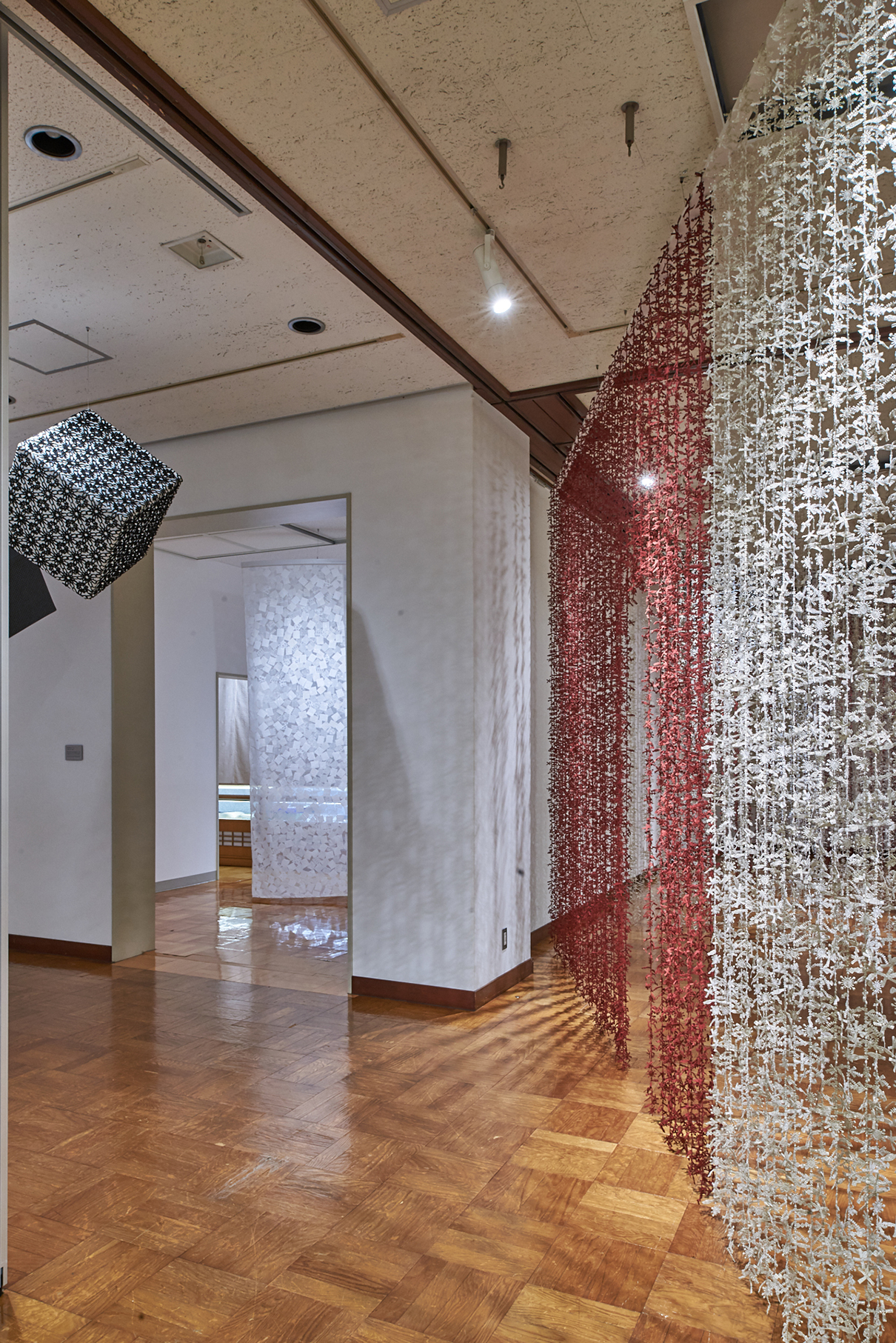
One reason textiles remain confusing to art collectors is that they challenge the assumption that a valuable object should remain materially untouched. A length of fabric can be an authored limited edition and still be used. The collector must decide whether the work is best preserved as an intact textile, framed or suspended as a wall work, or allowed to enter furniture and domestic life.
There is no universal answer. A museum may privilege an uncut example because it preserves technical information. A private collector may value the transformation that occurs when a textile is stretched across a screen, used as a curtain or applied to a significant piece of furniture. What matters is that the intervention is documented and reversible where possible.
This is where ARTCOLLECTORHOMES sees an increasingly important crossover. The most interesting interiors are moving away from the idea that art occupies the wall while design fills the rest of the room. A textile can structure light, movement, acoustics and atmosphere with as much authorship as a sculpture.
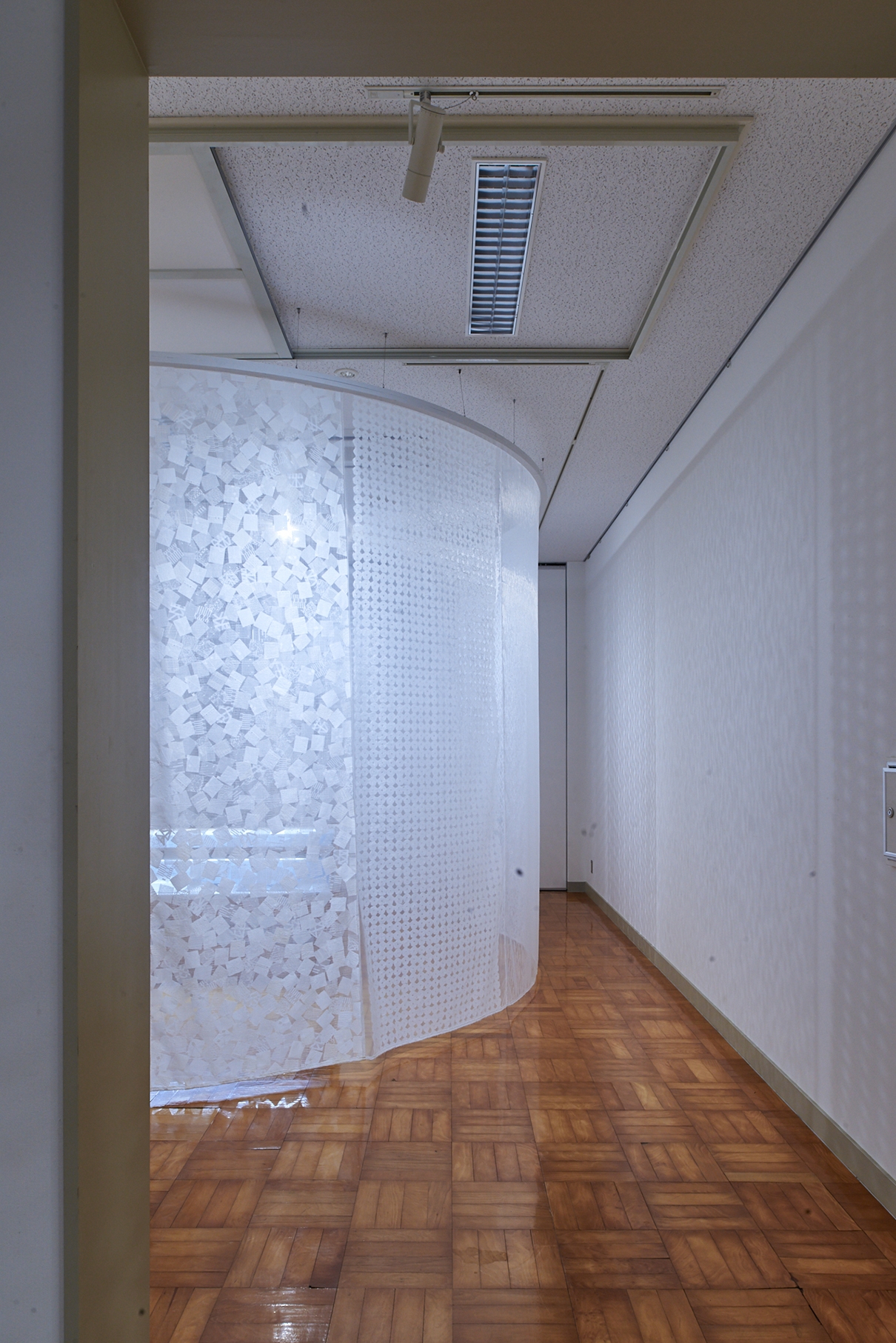
NUNO’s experimentation also complicates the familiar opposition between craft and technology. Sudō’s practice repeatedly places the two inside the same object. Traditional weaving knowledge may meet industrial machinery; paper can be turned into fibre; synthetic materials can be manipulated with processes learned from regional makers.
The result is not nostalgia. LACMA’s framing emphasises sustainability and the preservation of historic production centres precisely because innovation can give endangered techniques a future market. A workshop survives not because collectors admire its past from a distance, but because designers continue to give its knowledge new problems to solve.
That has direct implications for collectors. Supporting contemporary production can be a form of preservation more dynamic than acquiring historical examples alone. It can also produce the works that later define a period: objects that record not only a technique but the moment when that technique changed direction.
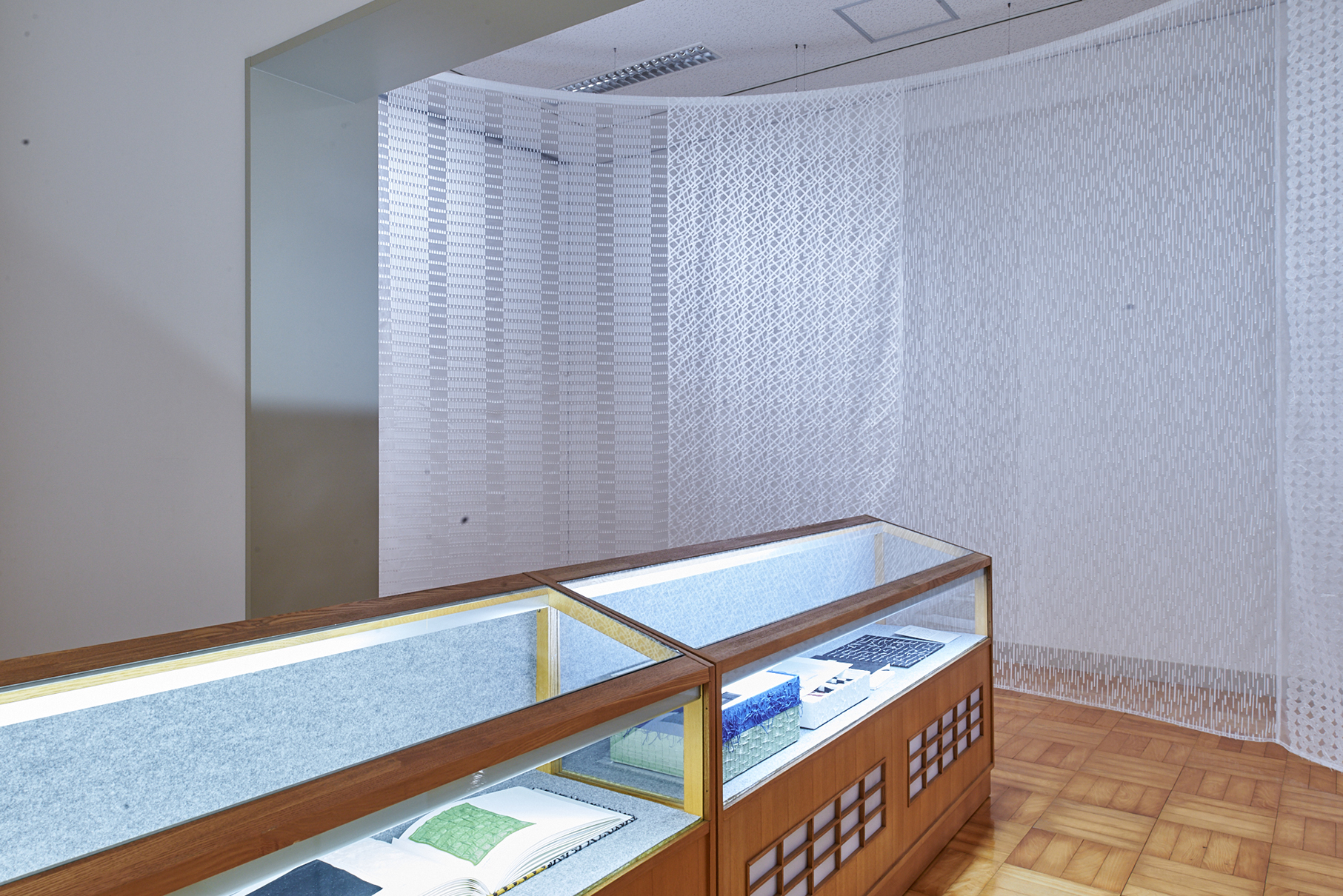
Textiles reward close domestic attention, but they require different stewardship from furniture or paintings. Light exposure can be decisive. Dust and airborne pollutants settle into fibres. Hanging systems can place uneven stress on fabric. Humidity, insects and repeated handling can create damage long before the eye registers a major change.
Collectors do not need to turn a home into a conservation store. They do need to understand which textiles can tolerate daily use and which should be rotated, shaded or displayed more cautiously. The more experimental the material, the more important it is to retain care information from the maker.
That practical knowledge should not diminish pleasure. It allows textiles to remain active in a home rather than being treated as fragile curiosities.
Sudō’s importance lies partly in her refusal to keep textile design inside one category. NUNO fabrics have been used by architects, exhibited by museums, studied as material research and lived with as functional cloth. The same piece can therefore participate in several value systems at once.
For collectors, that ambiguity is increasingly productive. The most interesting collectible-design market is developing precisely in the spaces where inherited categories become unreliable: artist furniture, sculptural lighting, experimental ceramics, textiles that behave architecturally and industrial processes pushed into one-off or limited production.
Textile Alchemy makes a persuasive case for looking at fabric with the same seriousness already afforded to those categories. The collector’s eye has spent decades learning to distinguish an ordinary chair from an important chair. It may now need to become equally fluent in cloth.
Textile Alchemy: The Art of Reiko Sudō & NUNO runs at LACMA’s Resnick Pavilion from 20 September 2026 to 7 March 2027. The NUNO photographs reproduced here document a 2023 presentation of Sudō’s work in Japan and are used as authoritative visual context for the studio’s textile practice; they are not represented as installation photographs of the LACMA exhibition.
For his first UK solo presentation and first exhibition with David Zwirner, Daichi Takagi turns stones, moonlight, leaves and ancient trees into paintings poised between exact observation and the surreal.
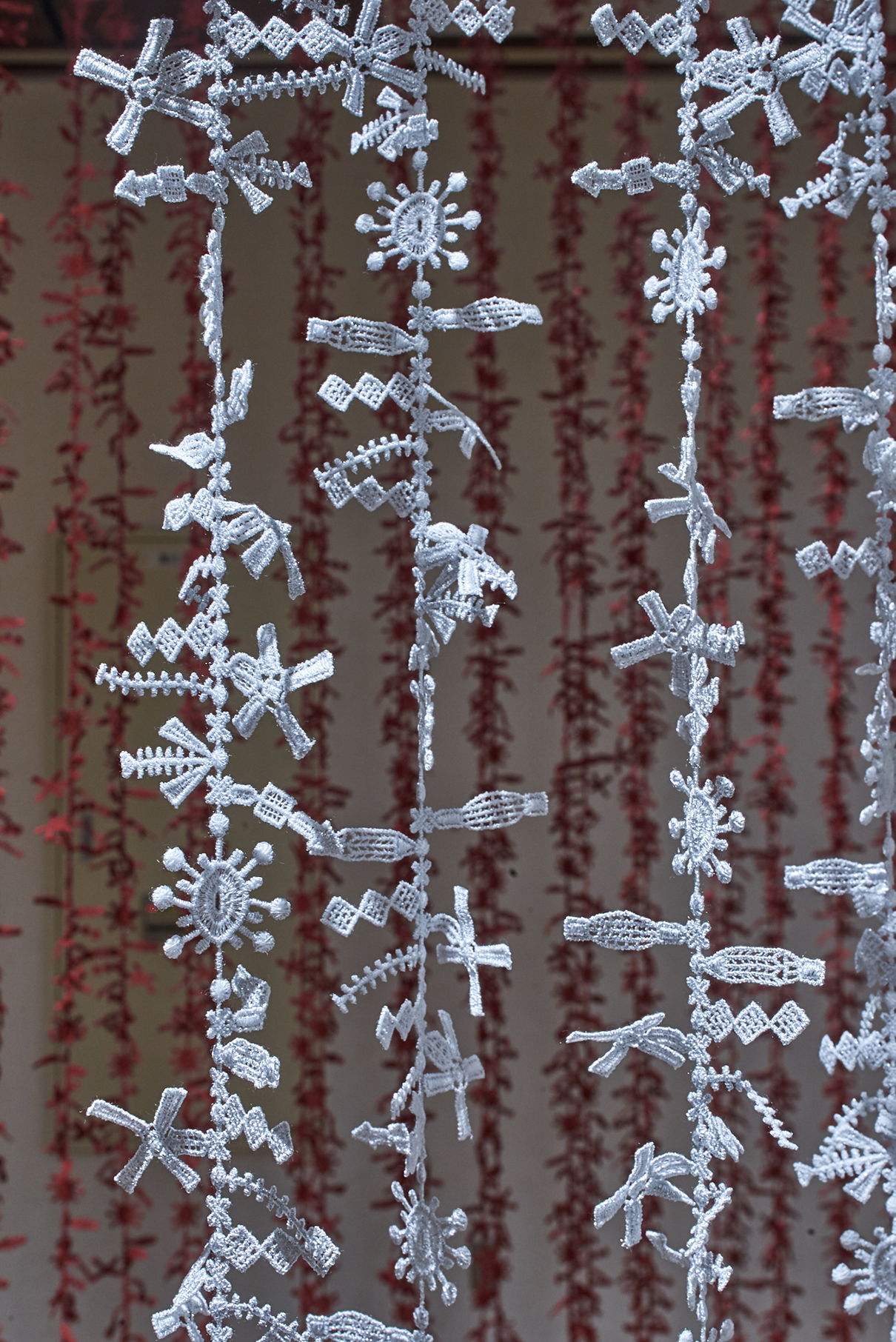
LACMA’s largest survey of Reiko Sudō and NUNO asks a collector’s question hiding in plain sight: when does fabric become an authored, editioned and historically important object of design?
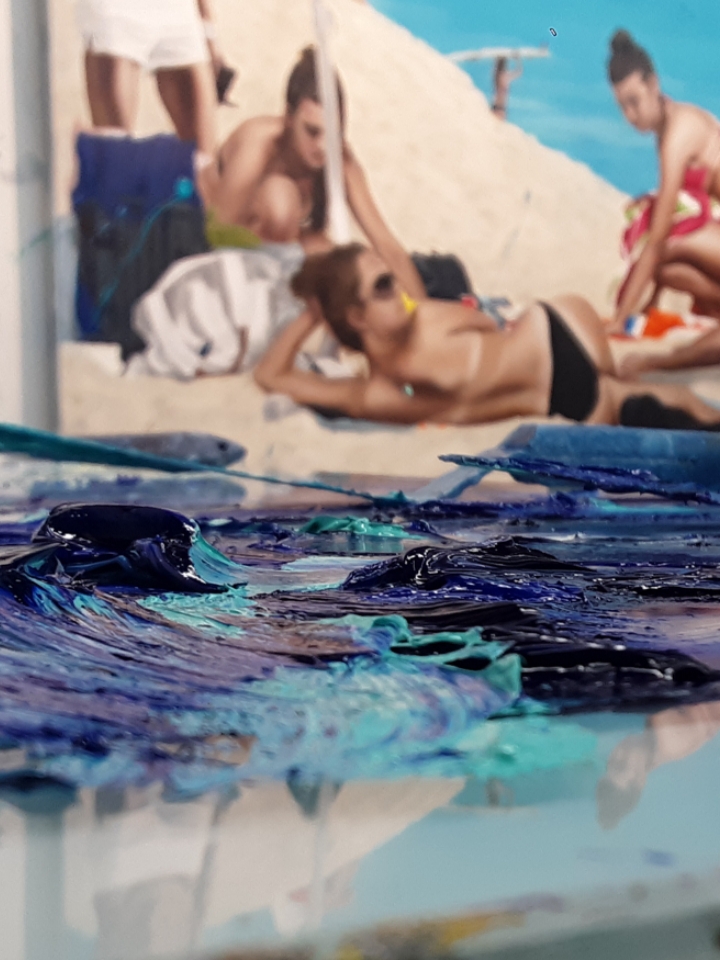
Three years after ARTCOLLECTORNEWS first spoke with Maxwell Stevens about Last Days of Summer, the New York painter has returned to the beach. But in Surfside, the setting has become less a backdrop than a social and psychological stage. The new paintings bring swimmers, surfers, couples, families and groups of friends into close proximity along the North Atlantic coast of Long Island. Stevens renders these figures with an almost portrait-like concentration before disrupting them with broad smears, calligraphic strokes, impasto and flashes of cobalt, turquoise and aqua.