
LATEST NEWS:
RARE VAN GOGH PAINTING UNSEEN FOR SIX DECADES HEADS TO AUCTION WITH ESTIMATES REACHING $180 MILLION •  CHRISTIE'S LONDON FRIEZE WEEK SALES SURPASS £218 MILLION, SIGNALING RENEWED CONFIDENCE IN THE TOP END OF THE MARKET • BTS STAR AND ART COLLECTOR RM STEPS INTO THE CURATORIAL SPOTLIGHT WITH SFMOMA EXHIBITION • BRITISH MUSEUM REPORTEDLY SECURES $40 MILLION DONATION AS THE FUTURE OF THE PARTHENON MARBLES RETURNS TO PUBLIC DEBATE • ROY LICHTENSTEIN RETURNS TO THE WHITNEY WITH HIS FIRST MAJOR RETROSPECTIVE IN MORE THAN THREE DECADES • TATE ACQUIRES WORKS BY MICHAELA YEARWOOD-DAN AND LUIS FERNANDO ZAPATA DURING FRIEZE LONDON 2026 • ABU DHABI EXPANDS ITS CULTURAL AMBITIONS AHEAD OF THE INAUGURAL FRIEZE ABU DHABI FAIR • ARTISTS SEEK NEW REPRESENTATION FOLLOWING THE CLOSURE OF STEPHEN FRIEDMAN GALLERY, RAISING QUESTIONS ABOUT THE FUTURE OF THE TRADITIONAL DEALER MODEL • NEW INDEPENDENT ART FAIRS CHALLENGE FRIEZE'S ESTABLISHED FORMAT AS LONDON'S ART WEEK ATTRACTS ALTERNATIVE VOICES • TAREK ATOUI TRANSFORMS TATE MODERN'S TURBINE HALL INTO AN IMMERSIVE EXPLORATION OF SOUND AND SPACE • ROYAL ACADEMY AND LONDON MUSEUMS REVISIT THE LEGACY OF THE 1990S BRITISH ART SCENE
Go Back
Magazine

Los Angeles in November 2026: Six Exhibitions Collectors Should See

Los Angeles shifts into a strong second autumn season with Avedon, Farah Al Qasimi, Wendy Red Star, Kiki Smith, Thomas Ruff and Julian Charrière.

Exhibitions
Exhibitions
Los Angeles in November 2026: Six Exhibitions Collectors Should See

Los Angeles is at its best when the route refuses the false choice between museums and galleries. November’s strongest viewing starts in Beverly Hills, where photographic image-making is being tested from opposite ends of a generational spectrum, then moves through La Brea, Hollywood and Western Avenue before ending at MOCA. The result is more revealing than a list dominated by institutional blockbusters: it shows how the city’s current season is moving between photography, Indigenous visual culture, materially expansive sculpture and environmental installation.

1. Richard Avedon — Hollywood

Gagosian, Beverly Hills · 4 November–19 December 2026

Hollywood is large by gallery standards—more than 120 photographs spanning over half a century—but its real value is thematic rather than numerical. Curated by the Richard Avedon Foundation, the exhibition treats Hollywood as an American image-making machine rather than simply a roster of celebrities. Marilyn Monroe, Katharine Hepburn, John Ford and Steven Spielberg sit within a wider ecology of directors, writers, executives, critics and political figures whose reputations were built through the same visual culture. Avedon’s famous white backgrounds can make celebrity portraiture look stripped of context, yet the best photographs do the opposite: they expose performance as a condition that continues after costume and scenery have disappeared. For collectors, the show offers a rare chance to compare iconic and less frequently seen images at scale, and to consider how edition, printing history and subject interact in a market where familiarity can easily substitute for quality.

2. Farah Al Qasimi — Rubberneck

François Ghebaly, Beverly Hills · 4 November–12 December 2026

On the same Beverly Hills block, Farah Al Qasimi offers a much younger counterpoint to Avedon. Rubberneck brings together fifteen new photographs and vinyl interventions made across West Texas, New York, Dearborn, Los Angeles and the UAE. Horror and science-fiction provide a loose grammar, but the subject is contemporary attention: the way catastrophe, domesticity, nationalism, global consumer culture and online image habits collapse into the same field of vision. Al Qasimi is particularly good at making the everyday feel prophetic without relying on theatrical darkness; a horse in a swimming pool, a child treating a snow globe like a crystal ball or a pigeon decorated with jewellery can carry the charge of an omen. The show precedes her Whitney Museum solo in January 2027, but its collector relevance is not simply institutional momentum. It is the clarity with which her photographic language has become recognisable without becoming predictable.

3. Wendy Red Star — False Stars

Roberts Projects · 7 November–19 December 2026

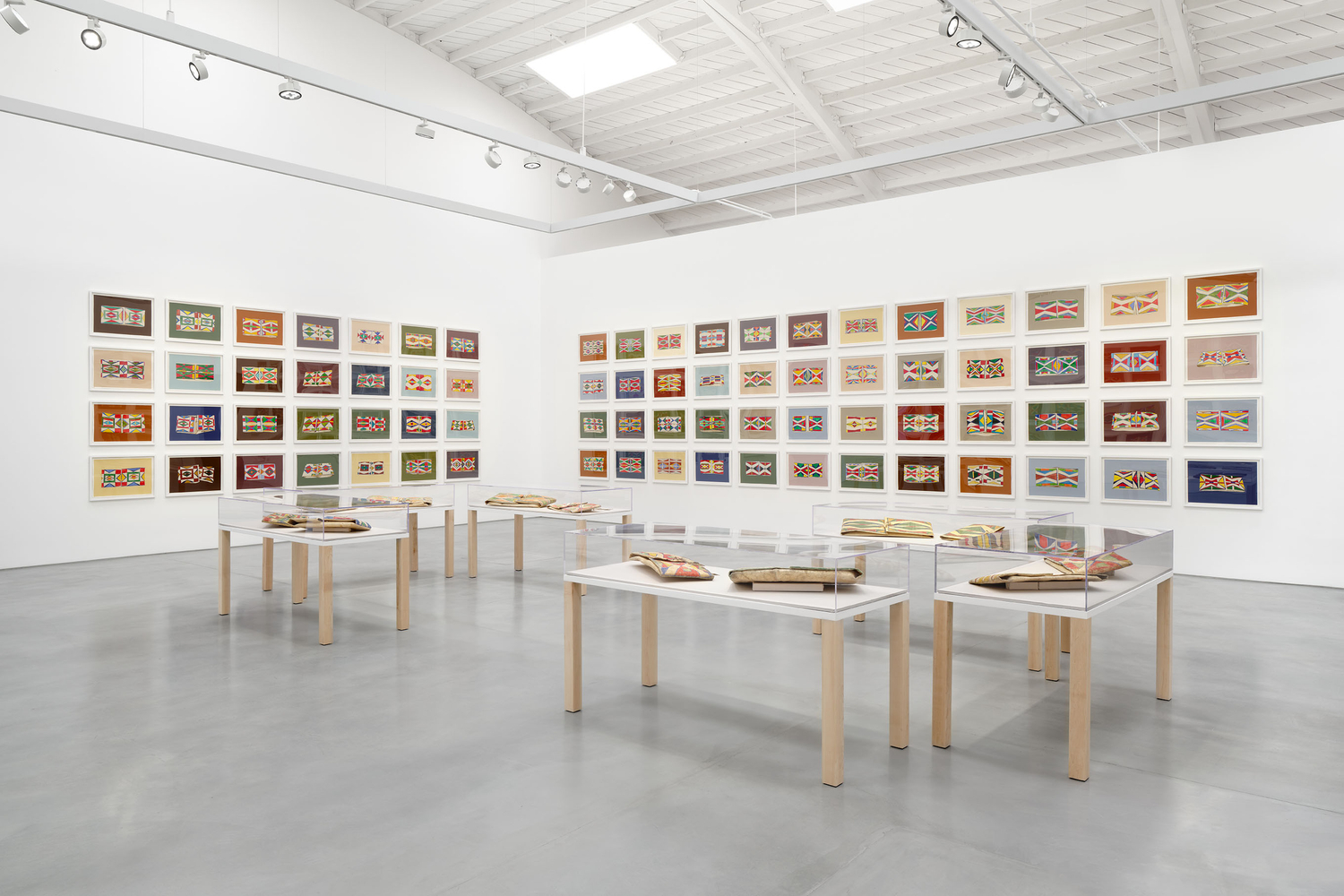
Wendy Red Star turns the Plains star quilt into a spatial problem. In False Stars, mirrors, earth pigment, acrylic beads and works on paper break the familiar geometry into partial forms that are completed through reflection and movement. The premise grows from a practical quilter’s device—mirrors used to preview a repeated pattern—but Red Star pushes it toward questions of cultural translation and historical ownership. Her work has long challenged the museum archive’s habit of treating Apsáalooke people as ethnographic subjects rather than authors of their own images. Here, however, that critique is embedded in materials and pattern rather than documentary annotation. The installation asks what happens when a culturally specific form is multiplied, fragmented or made dependent on the viewer’s position. For collectors who know Red Star primarily through photography, this is an important expansion: the work becomes architectural without abandoning the visual intelligence and historical precision that define her earlier practice.

Wendy Red Star historical installation at Roberts Projects
Wendy Red Star, historical installation view at Roberts Projects. Courtesy the artist and Roberts Projects. Context image only; not False Stars installation photography.

4. Kiki Smith — Untethered Journey

Pace Gallery + Jeffrey Deitch · 30 October 2026–23 January 2027

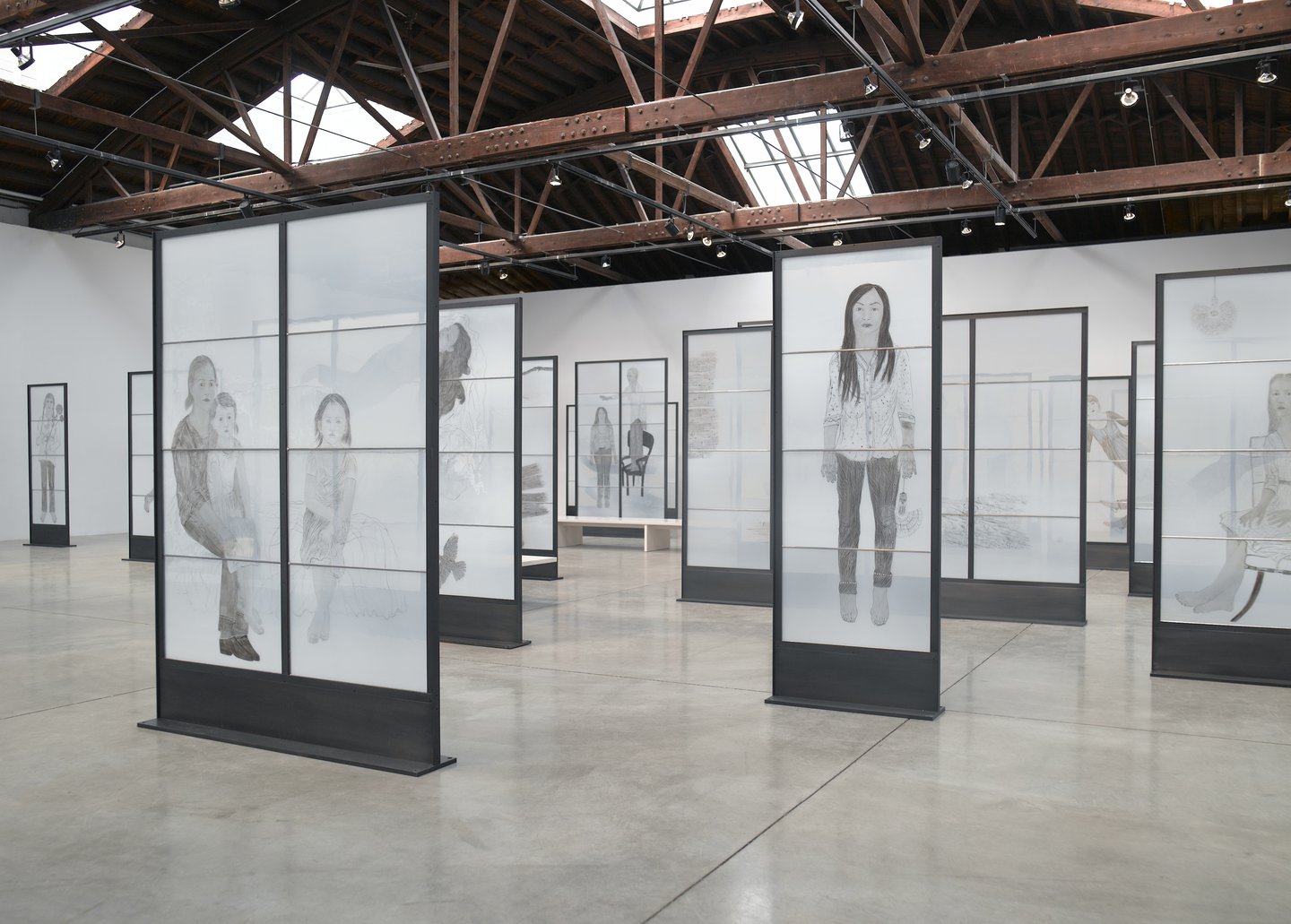
Kiki Smith’s first Los Angeles solo exhibition in thirty years is jointly presented by Pace and Jeffrey Deitch, bringing historical and recent work across sculpture, drawing, glass, print and textile into a single trajectory. The broad media range matters because Smith has never treated the body as a stable subject. It is porous, vulnerable, mythic and continuous with animals, plants and cosmological systems. Work that was once discussed primarily through 1980s and 1990s debates around gender and corporeality now reads differently against contemporary ecological thinking, without losing its physical directness. The exhibition should also correct the tendency to reduce Smith to a handful of iconic anatomical motifs. Her practice is far more materially restless and spiritually expansive. For collectors, the strongest lesson is to look laterally across media and periods: the small prints and drawings can carry the same conceptual pressure as the monumental sculptures, while often revealing the transitions between bodies of work more clearly.

Historical Kiki Smith installation at Pace Gallery
Kiki Smith, historical installation view. Courtesy Pace Gallery. Context image only; not Untethered Journey installation photography.

5. Thomas Ruff — In Series, 1979–2024

David Zwirner · 13 November 2026–6 February 2027

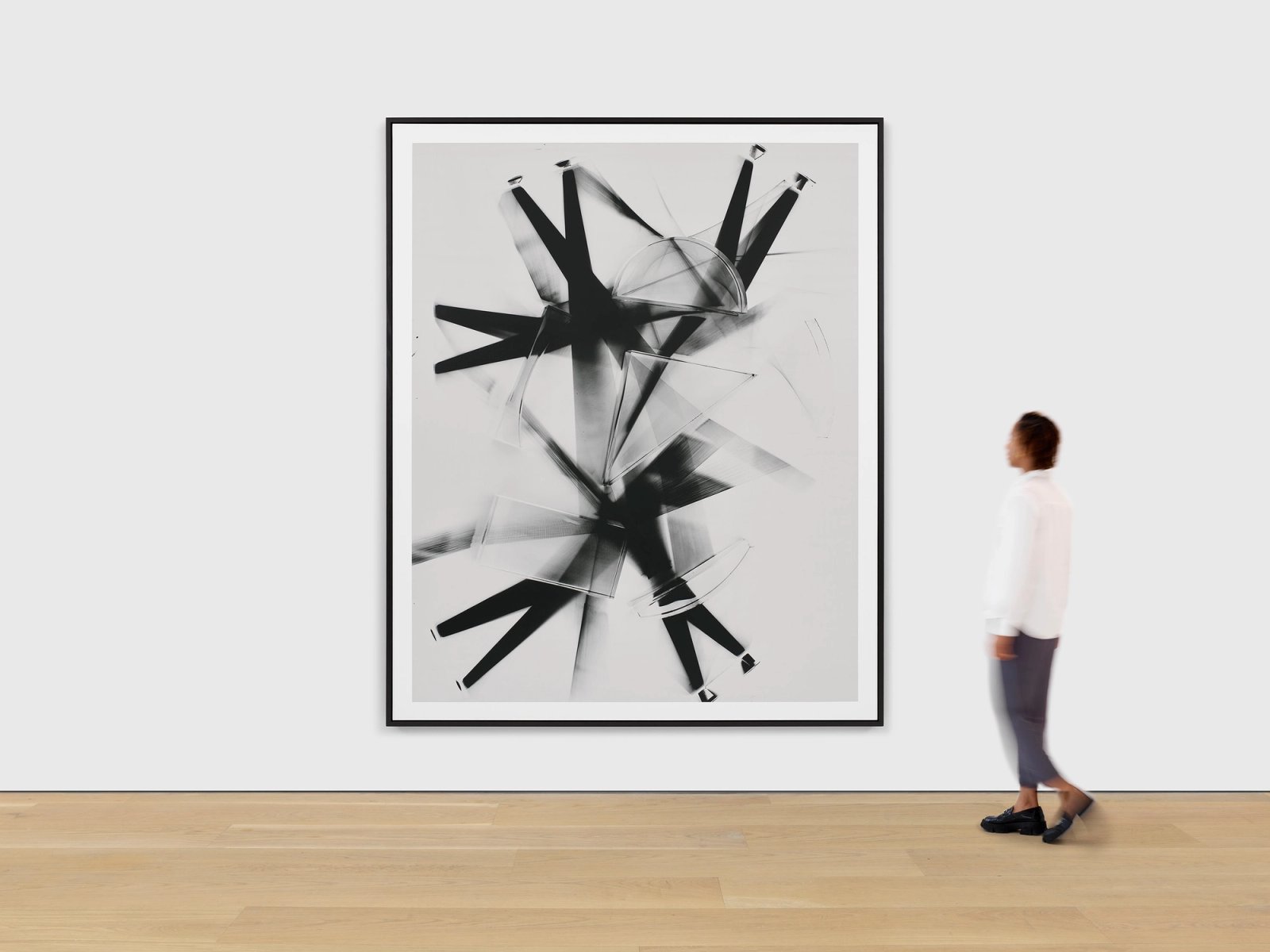
Ruff’s first major Los Angeles presentation in more than a decade is organised around the serial logic that has driven his practice from the late 1970s to 2024. That structure is useful because Ruff is often described through technologies—large-format camera, found image, JPEG, digital manipulation—when the deeper continuity is his suspicion of photographic truth. Portraits, architecture, astronomical imagery, internet files and digitally generated forms all become tests of what a photograph can credibly claim. Los Angeles is an especially apt place for the survey because the city’s visual culture continually crosses between documentation, production and simulation. Collectors should resist choosing a series solely on recognisability. Ruff’s market has several established bodies of work, but the exhibition’s value lies in seeing how technical shifts alter scale, surface and the status of the source image. The less immediately iconic series often make that argument most sharply.

Thomas Ruff work context for David Zwirner Los Angeles survey
Thomas Ruff, work/context image. Courtesy David Zwirner. Relevant to the survey of photographic series; not represented as a 2026 installation view.

6. Julian Charrière — Deep End

MOCA Grand Avenue · 15 November 2026–6 June 2027

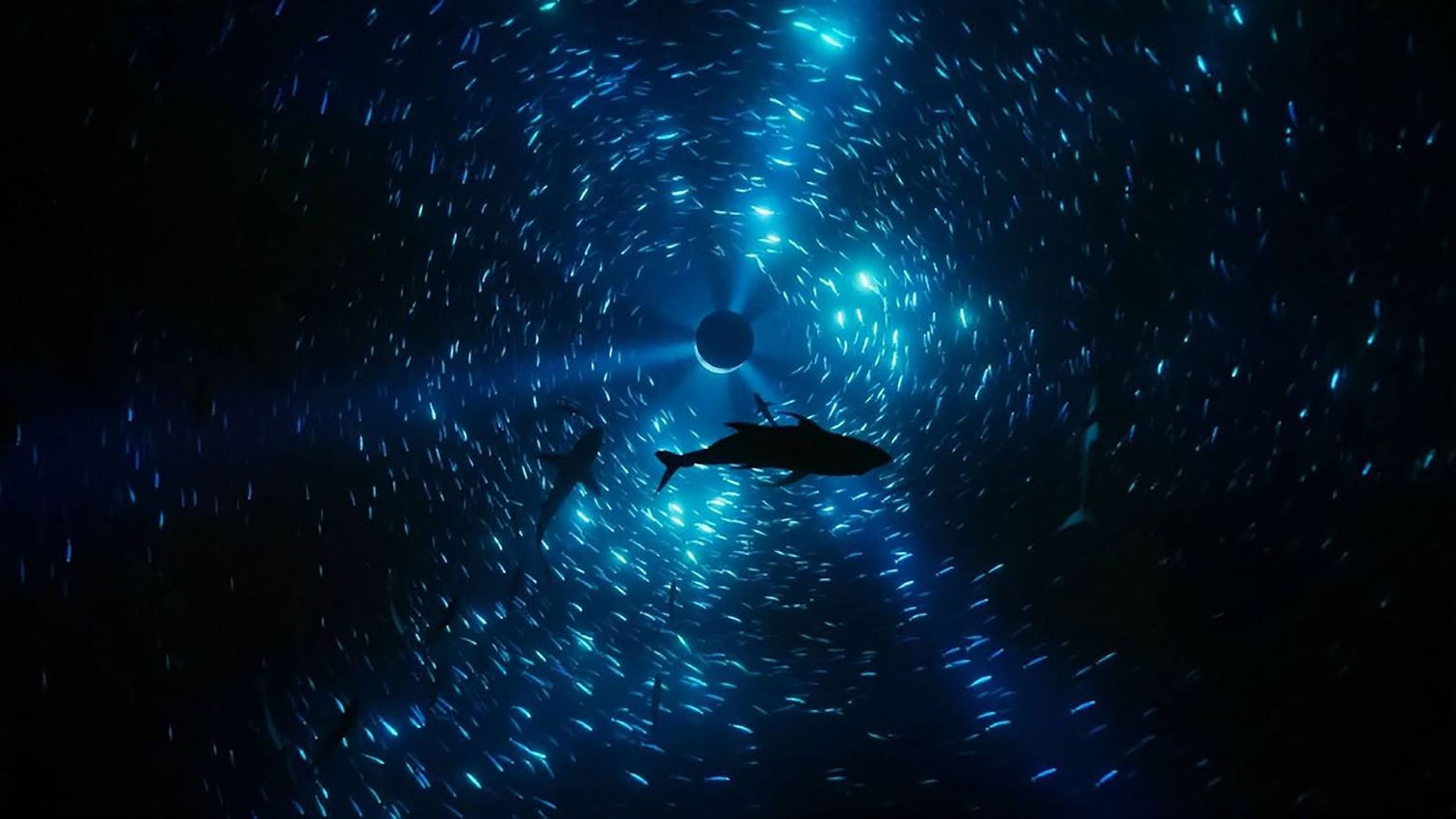
MOCA gives Julian Charrière his first solo museum exhibition in Los Angeles, combining earlier photography, sculpture and film with new immersive commissions. Charrière’s practice is often filed under climate art, but that shorthand understates how carefully he works with the aesthetics of scientific exploration and spectacle. Deep ocean, geological time, extraction and pollution are not simply topics; they become viewing conditions. Light, darkness, engineered environments and the seduction of inaccessible places are used to ask why environmental violence can be simultaneously visible and difficult to comprehend. For collectors, the exhibition is useful because it reconnects Charrière’s individual photographs and objects to the ambitious installations from which his reputation has grown. The museum scale makes clear that his strongest work depends on a tension between beauty and evidence: you are allowed to be seduced by the image, but never allowed to forget the systems that made that image possible.

Julian Charrière underwater work for Deep End at MOCA Grand Avenue
Julian Charrière, show-related image for the MOCA Grand Avenue presentation. Courtesy the artist / MOCA / Ocula.

The most efficient route is also the most revealing: pair Avedon and Al Qasimi in Beverly Hills, then move east toward Red Star, Smith and Ruff before giving Charrière the longer museum visit his installation needs. Seen in sequence, November makes a persuasive argument for Los Angeles as a city where image culture is not merely represented but anatomised—from celebrity portraiture and online catastrophe to archival violence, digital photography and the planetary scale of the ocean.

Exhibition dates and programmes were checked against current museum, gallery and fair listings on 31 October 2026. Opening hours, access arrangements and programmes can change; check the venue before travelling.

Date
Nov 5, 2026
Share

Latest Posts

November 6, 2026
Articles
Articles
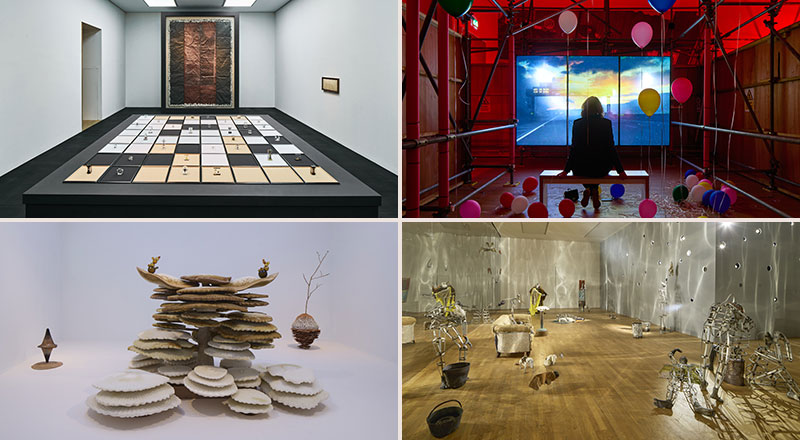
Turner Prize 2026 at MIMA: Four Artists and the Material of Contemporary Life

The Turner Prize can be most interesting when its four finalists refuse to represent a single trend. At Middlesbrough Institute of Modern Art, the 2026 exhibition brings together Simeon Barclay, Kira Freije, Marguerite Humeau and Tanoa Sasraku. Their presentations differ sharply in scale, material and temperament, yet all ask how contemporary life becomes embedded in the things we make, transport, inhabit or consume. The exhibition opened on 26 September and continues until 29 March 2027; the winner is due to be announced on 10 December 2026.
November 5, 2026
Articles
Articles
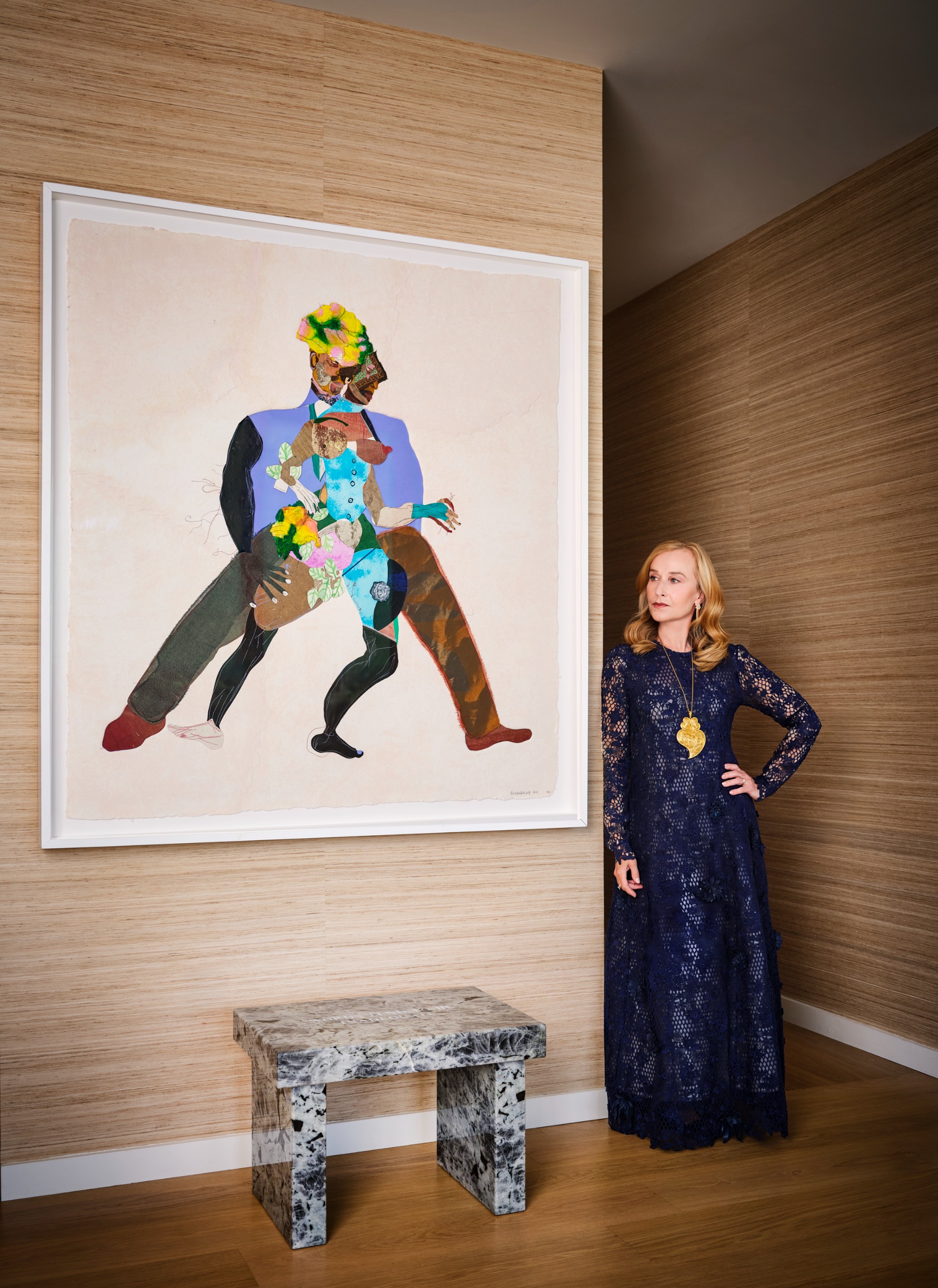
Randi Charno Levine’s Manhattan Home Turns Collecting Into Cultural Diplomacy

Kelly Behun’s West Chelsea apartment for former US ambassador Randi Charno Levine shows how a serious contemporary collection can grow from relationships, patronage and a new Joana Vasconcelos commission.

November 5, 2026
Articles
Articles
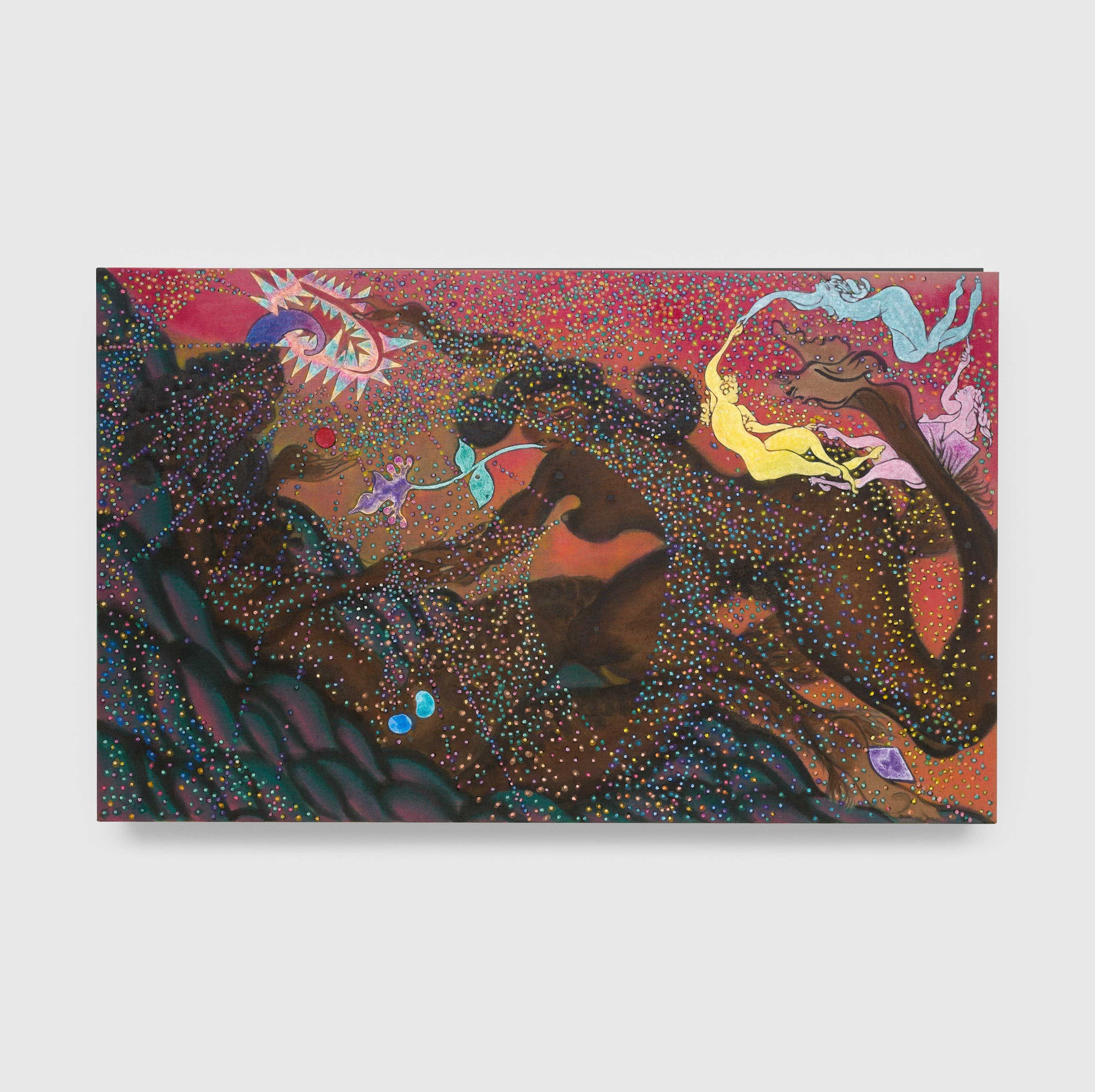
Chris Ofili Makes Laure Visible: A New Painting Rewrites Manet’s Margin

At Pinacoteca Agnelli, Chris Ofili places new paintings beside Manet’s portrait of Laure, restoring a named sitter to the centre of a story art history kept at the edge.