
November 27, 2026
Exhibitions
Exhibitions

Design Miami’s 22nd edition explores collectible design through material, craft and domestic life, from historic masters to experimental contemporary furniture and objects.
Design Miami’s 22nd edition explores collectible design through material, craft and domestic life, from historic masters to experimental contemporary furniture and objects.
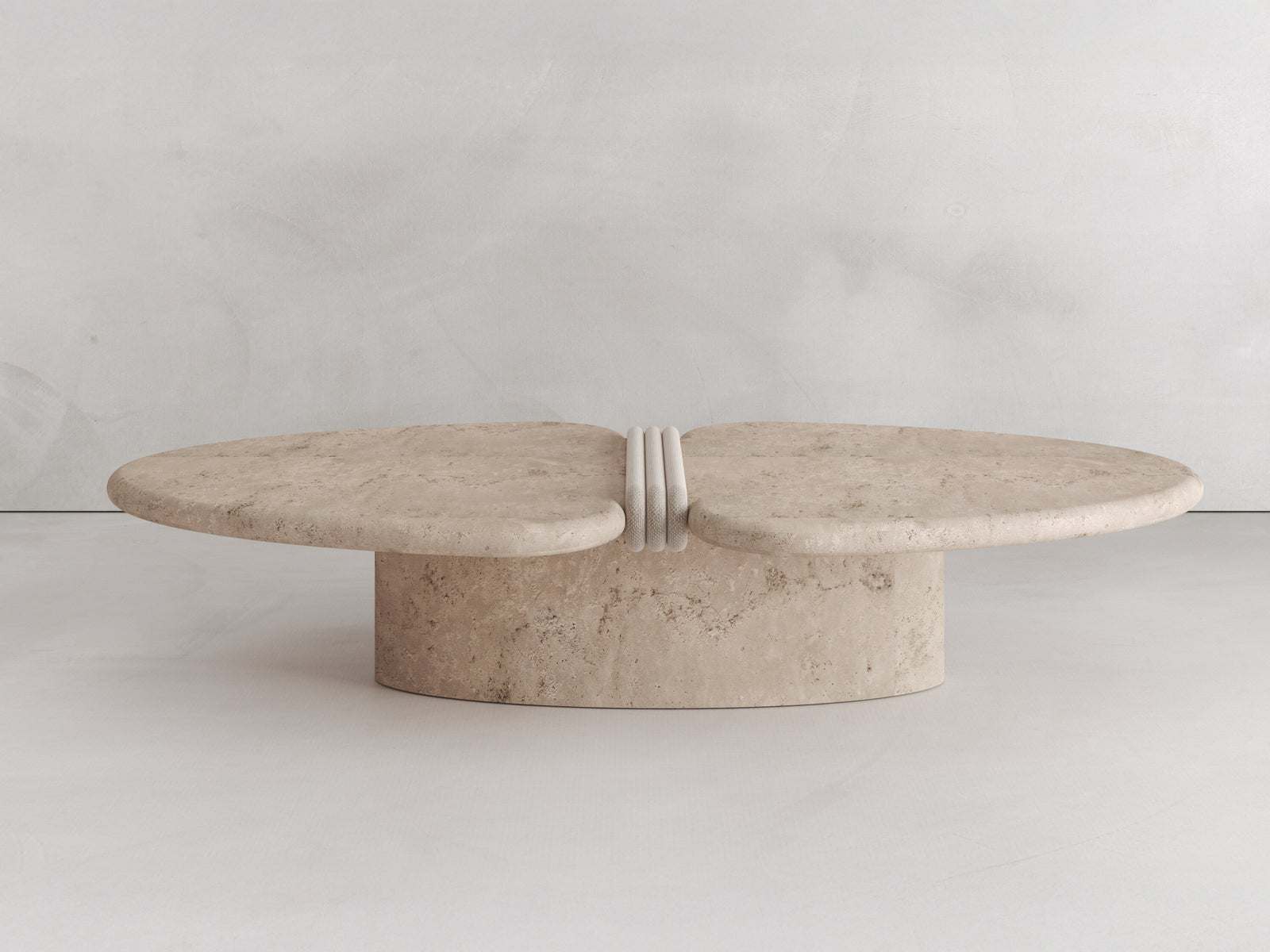
Design Miami returns to Miami Beach from 1–6 December 2026 for its 22nd edition, under the curatorial direction of Charlene Prempeh and the theme Unveiling. Across Galleries, Curios, Special Projects and partner programmes, material knowledge is as important as stylistic preference. For ARTCOLLECTORHOMES, the fair is most interesting when it moves beyond the idea of design as decoration and asks how furniture, lighting, textiles and objects change the experience of a room. The strongest presentations this year connect authorship, craft, material history and daily use rather than treating collectible design as sculpture with a function attached.
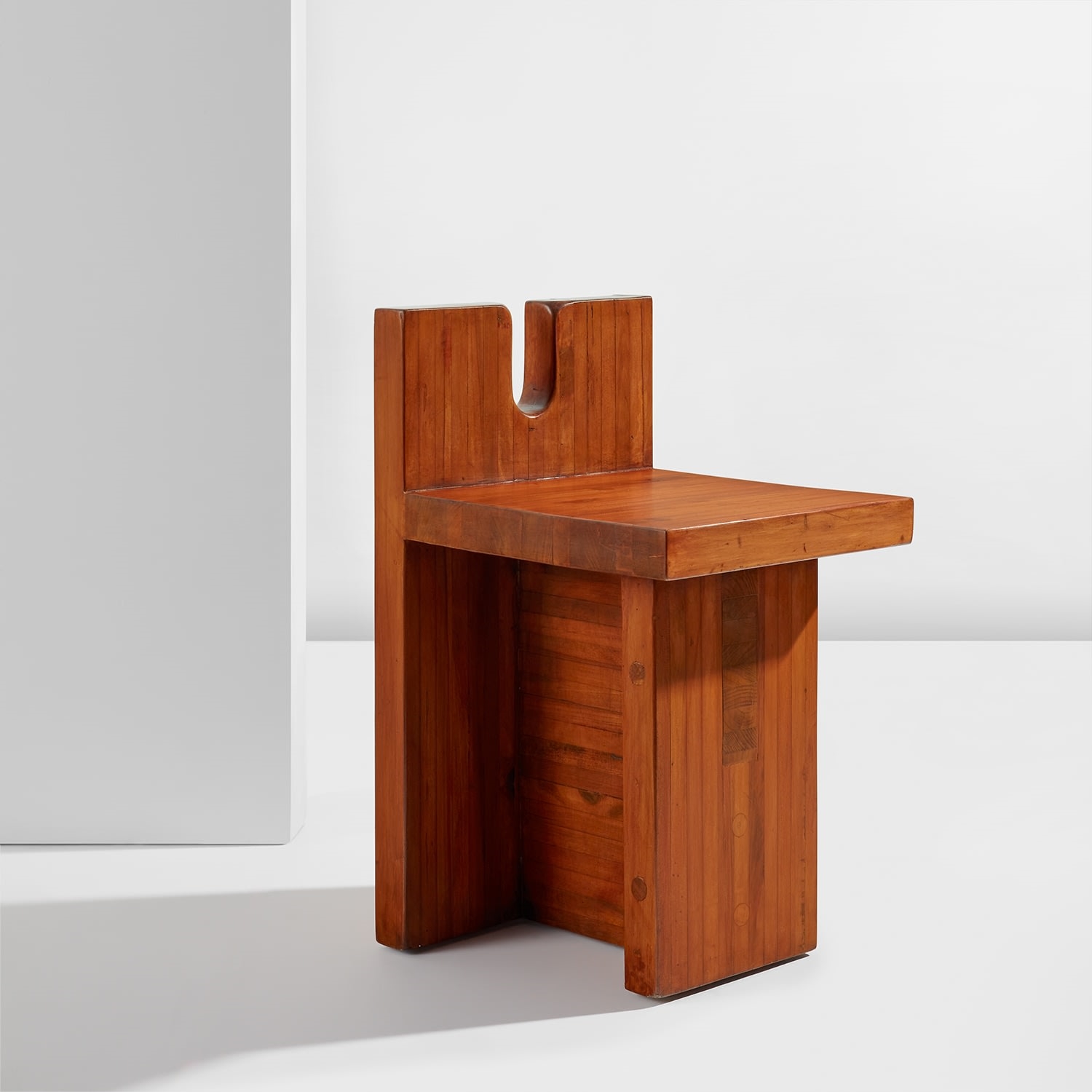
ESPASSO’s presentation of seven seminal works by Lina Bo Bardi is one of the fair’s essential historical stops. The group includes the 1982 Cadeira SESC Pompeia, created for the cultural and leisure centre she transformed in São Paulo and produced with Marcenaria Baraúna. Bo Bardi’s furniture is difficult to separate from her architecture: proportion, material economy and the movement of people through shared space are part of the same thinking.
For collectors, this is a useful reminder that provenance and design context matter. An important chair is not simply a silhouette. Who fabricated it, when it was produced, how closely it relates to an original commission and what restoration has occurred can materially change both its historical meaning and its value.
YUMEKOUBOU brings together an Ainu garment and Akō Dantsū textile traditions with works associated with Jean Prouvé, Charlotte Perriand, Sori Yanagi and contemporary bamboo artist Tanabe Chikuunsai IV. The presentation deliberately challenges the hierarchy that often places “design” above “craft” or separates ethnographic material from modern authorship.
That argument feels particularly relevant in collector homes, where categories naturally collide. A woven object, a chair, a ceramic vessel and a painting can occupy the same visual field. The question is not whether they belong to the same market category but whether each object carries enough material and intellectual presence to sustain that proximity.
R & Company brings historical and contemporary furniture, ceramics, glass and sculpture into the same programme, while Carpenters Workshop Gallery presents eleven artists from its international roster at the point where functional design meets sculpture. Wexler Gallery focuses on six artists and designers whose practices foreground the maker’s hand, and Todd Merrill Studio continues its emphasis on technically ambitious work across wood, glass, bronze and ceramics.
Adrian Sassoon’s presentation similarly places ceramics, sculpture and large-scale works in unexpected combinations. These booths are best approached through material comparison: look at joins, surface transitions, weight, patina and fabrication rather than only the front-facing photograph. In collectible design, the back, underside and method of assembly can be as revealing as the profile.
In the Curio programme, Harry Nuriev and JRP|Editions present Stereotype, a group of sofas, stools and mirrors incorporating audio components. The project turns sound equipment into something seen, touched and sat upon, collapsing the distinction between domestic technology and furniture.
The proposition is playful but practical questions matter. Where are the electronic components housed? Can they be serviced or replaced? What happens when technology becomes obsolete? Collectors considering hybrid works should understand maintenance and future compatibility just as carefully as they would upholstery or timber condition.
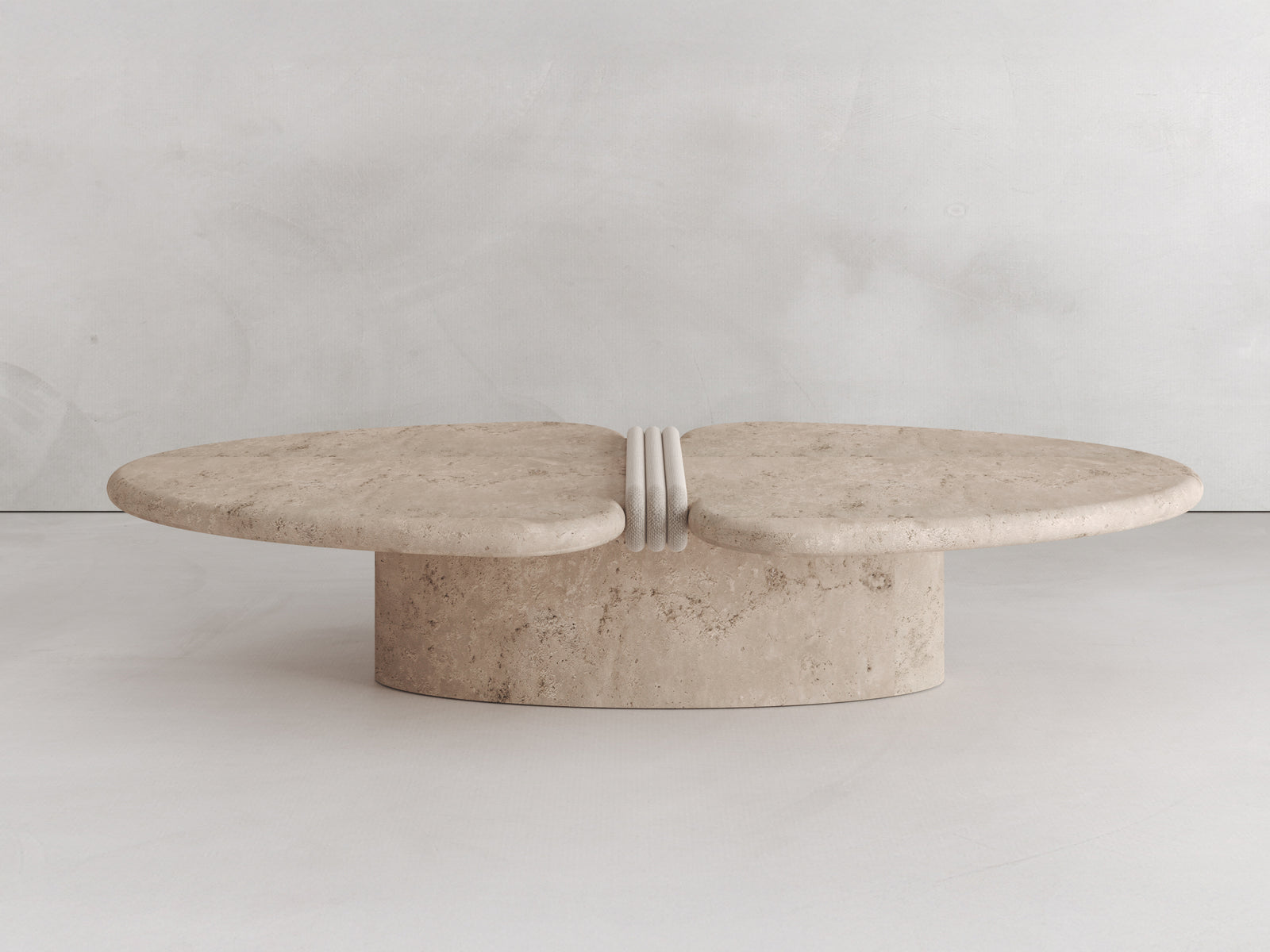
Hagit Pincovici’s Shibari Collection translates the tension and release of Japanese rope practice into furniture combining natural rope and travertine. The materials bring very different physical expectations: stone suggests permanence and weight, while rope carries softness, flexibility and the possibility of wear.
In a home, that contrast will be experienced physically, not simply visually. Before acquiring materially complex furniture, ask what can be touched, sat on or moved; whether the work is intended for regular use; and how the maker recommends maintaining each surface.
Sten Studio’s Mineraxis takes mineral formation and crystalline geometry as a point of departure for sculptural and functional objects. Victoria Yakusha Gallery’s NADRA approaches design through memory, instinct and an animistic relationship with material. Elsewhere in Curio, presentations use volcanic stone, sea sponge, resin, carbon fibre, glass and metal to blur the distinction between object, sculpture and environment.
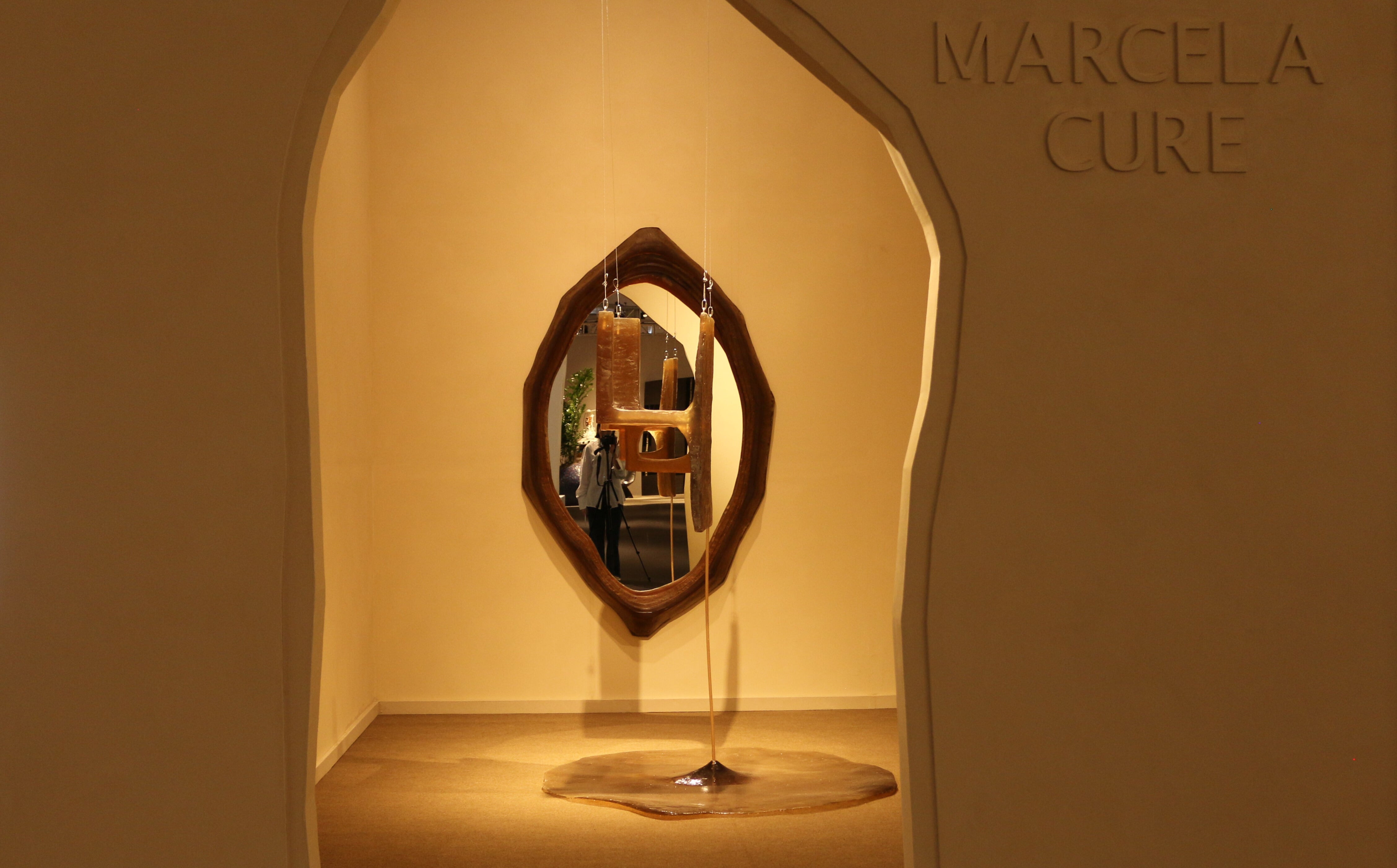
Marcela Cure’s Color in Suspension brings seven mirrors, six sculptural vessels and two tables cast individually in resin into the Curio programme. The works treat transparency, colour and depth as unstable qualities rather than decorative effects. Duane Reed Gallery’s States of Transformation makes a related argument through glass, including Jiyong Lee’s Mitosis (2019), whose segmented laminated-glass structure turns biological division into an object that changes as light passes through it.
These presentations are useful counterpoints to furniture-led collecting. They ask whether a material’s behaviour—translucency, reflection, apparent movement—can carry as much authorship as silhouette or function.
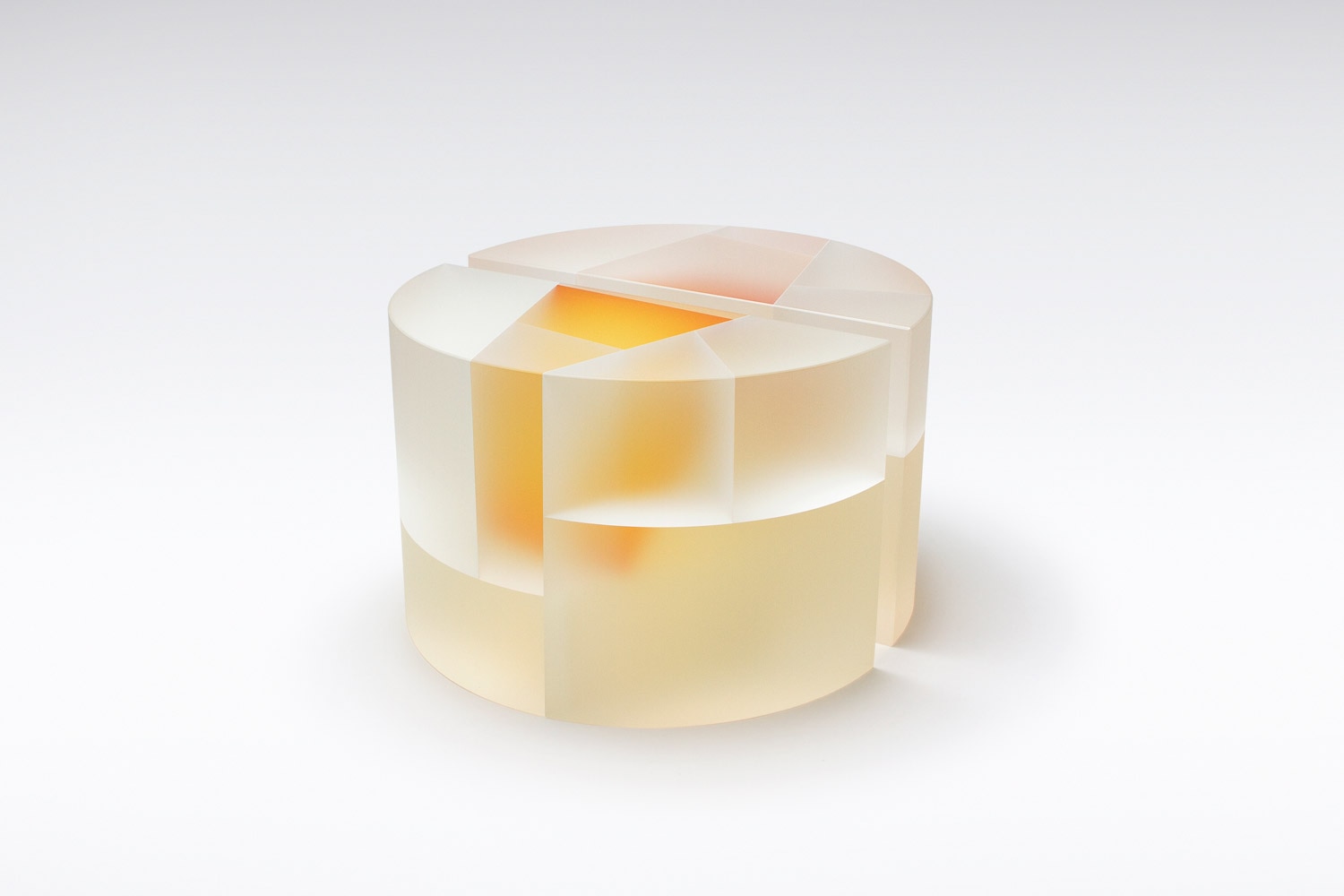
The variety makes material literacy increasingly important. A rare stone, hand-worked bronze or experimental resin carries different conservation needs and different expectations of ageing. A collector should know whether changes in colour, oxidation or surface are considered damage, natural patina or part of the designer’s intention.
The fair’s Special Projects extend collectible design into installation and cultural narrative. KATES-FERRI presents Samuel Nnorom’s Fabric of Society, using wax fabric and foam to create dense sculptural forms. Myles Igwebuike’s Ifeoma draws on Akwete weaving, while Charles Zana constructs a complete apartment environment that demonstrates how individual works gain meaning through architecture, light and adjacency.
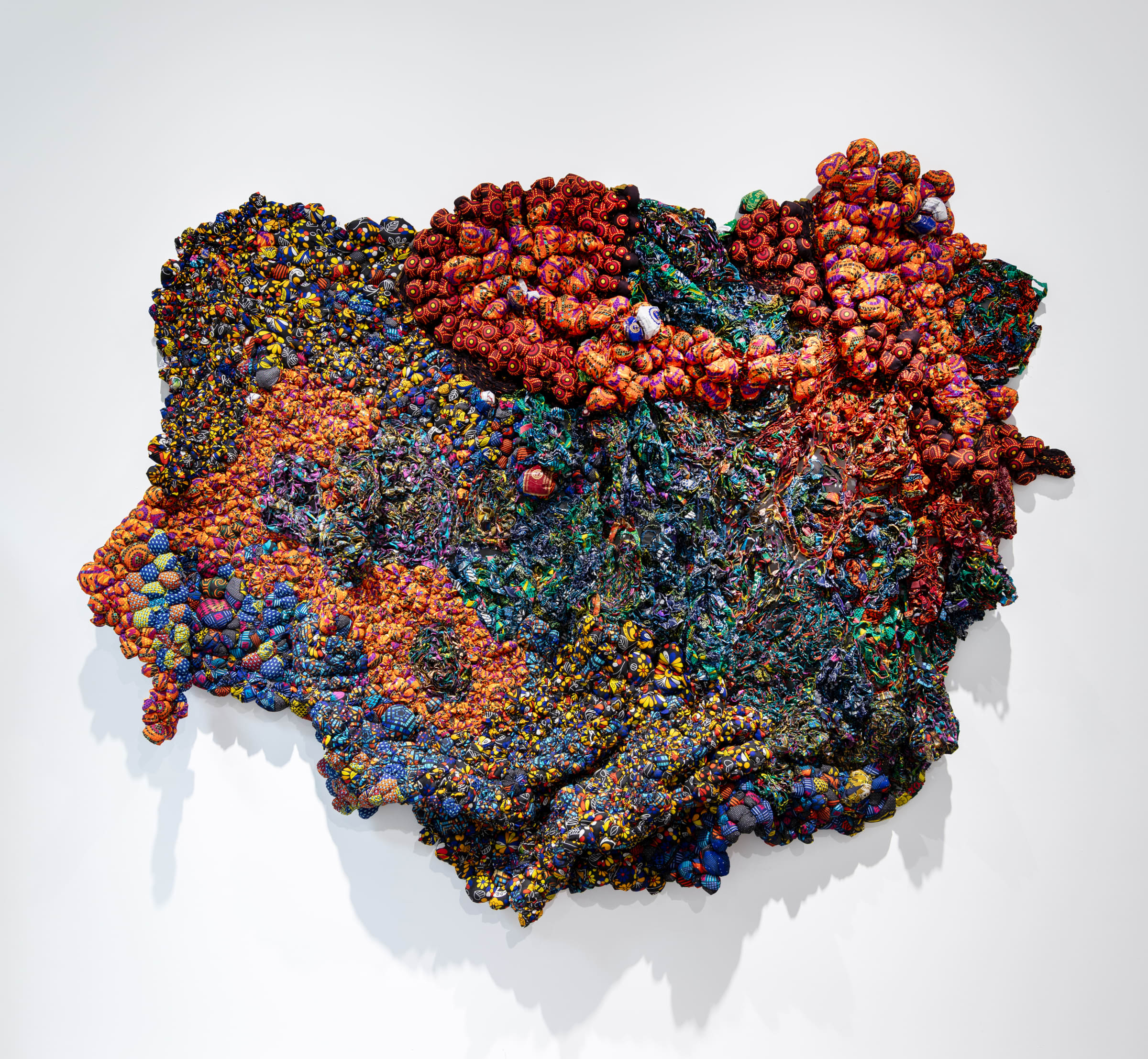
These installations are especially useful for collectors because they show scale. A work that appears restrained against a white booth wall can become dominant in a domestic room; conversely, a substantial object can feel surprisingly quiet when given enough space around it.
Fair details: Design Miami 2026, Convention Center Drive & 19th Street, Miami Beach.
Preview Day: 1 December. Public days begin 2 December and continue through 6 December.
Design Miami’s 22nd edition explores collectible design through material, craft and domestic life, from historic masters to experimental contemporary furniture and objects.

NADA Miami returns 1–5 December with 130+ galleries and art spaces from 63 cities and 27 countries. ACN selects the emerging artists and programmes worth prioritising.

What happens when two women with a combined of more than 20 years of navigating the art world from within decide to create the opportunities they believe are missing from today's artistic landscape?
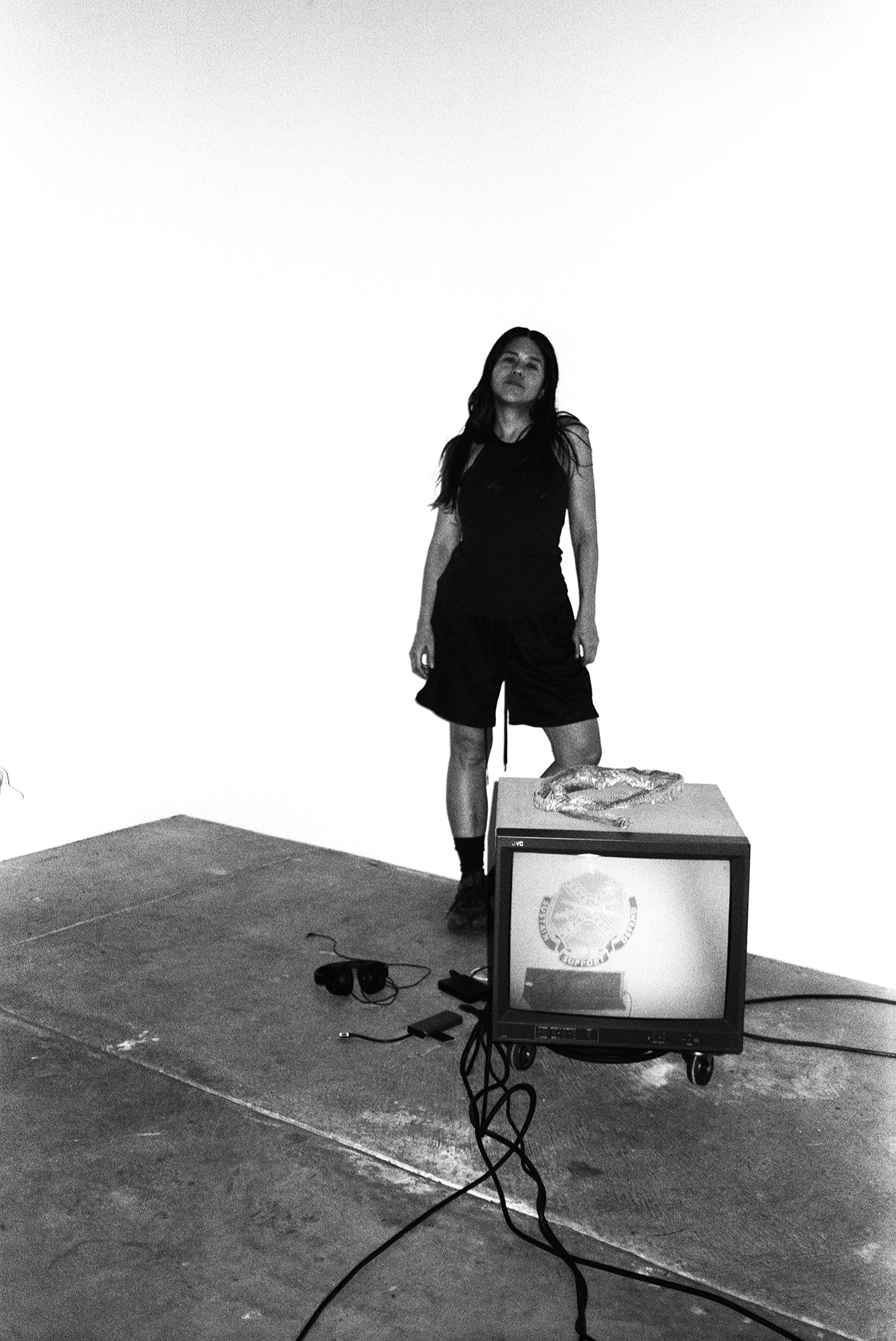
Na Mira’s newly commissioned MoMA installation explores surveillance, military image-making and the unstable boundary between technological evidence and perception.