
October 12, 2026
Articles
Articles
Yelin Lee's Ghost Play transforms emojis into sculpture, uses chroma-key screens and a two-minute delay, and turns visitors into their own fleeting afterimages.
As Hauser & Wirth’s landmark exhibition of the Eileen Harris Norton Collection enters its final weekend in Los Angeles, ARTCOLLECTORNEWS looks at what one of America’s most influential collectors can teach us about building a collection with conviction.
There are collections assembled around names, collections assembled around markets and collections assembled around moments.
Then there are collections that help create the very culture they eventually come to represent.
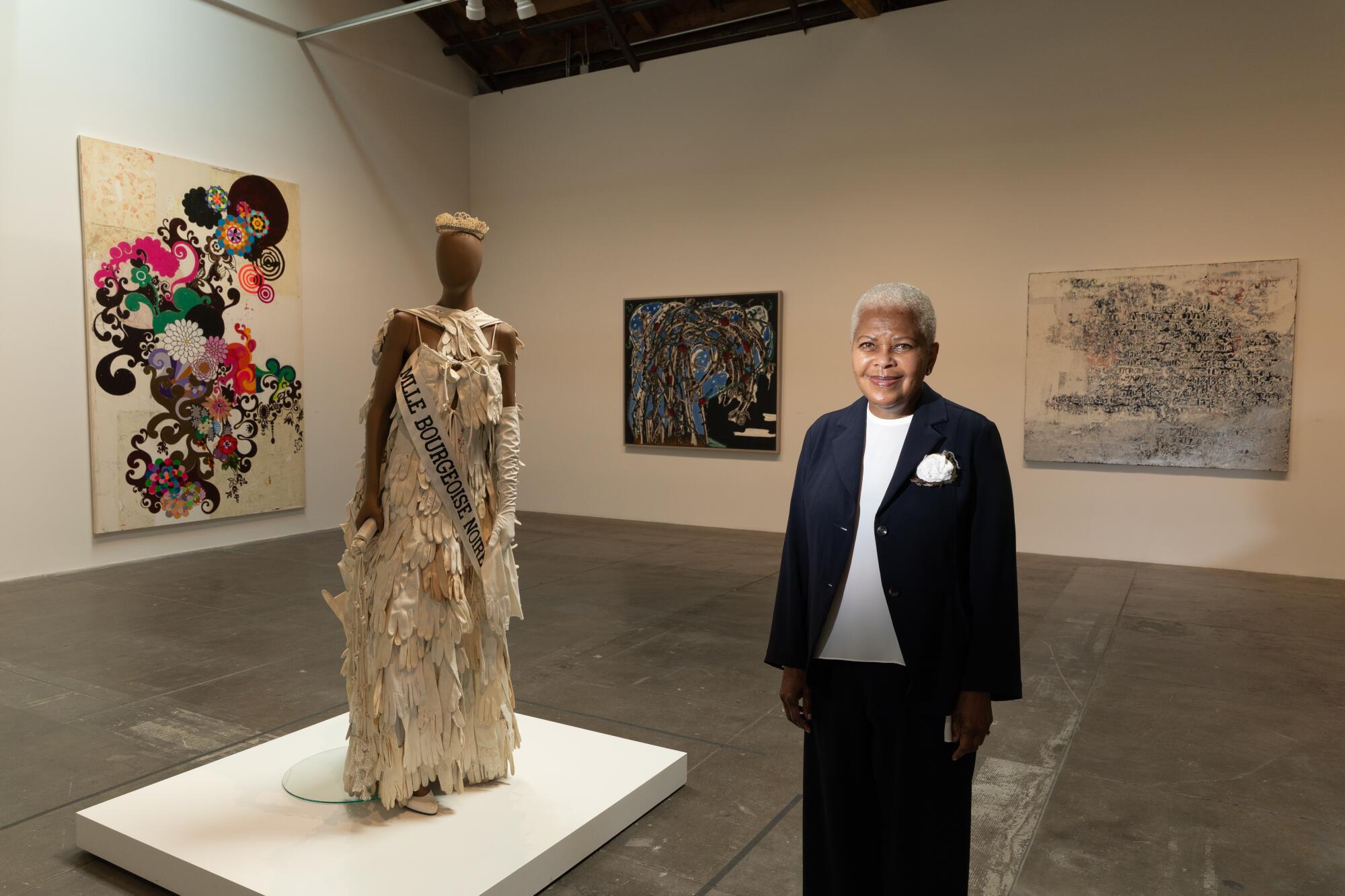
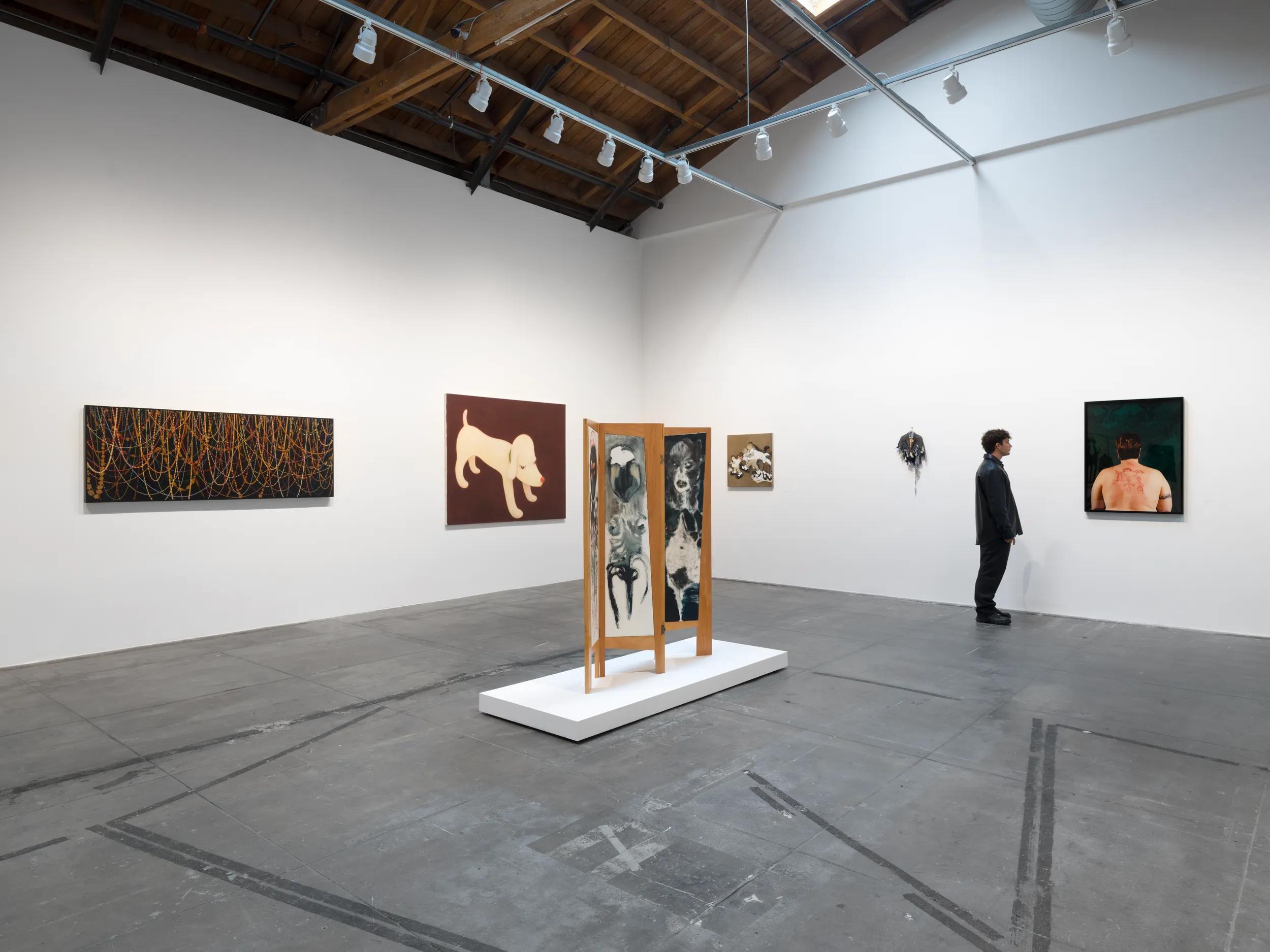
For five decades, Los Angeles collector and philanthropist Eileen Harris Norton has followed a remarkably personal path through contemporary art. Now, more than 80 works from that journey have been brought together at Hauser & Wirth Downtown Los Angeles in Destiny Is a Rose: The Eileen Harris Norton Collection, on view until 16 August 2026.
The exhibition marks fifty years since Harris Norton purchased her first work in 1976: a print acquired directly from Los Angeles artist and Black Arts advocate Ruth Waddy. From that relatively modest beginning grew a collection containing many artists who today occupy central positions within contemporary art history.
Among them are Mark Bradford, Kerry James Marshall, Felix Gonzalez-Torres, David Hammons, Glenn Ligon, Catherine Opie, Yoshitomo Nara, Adrian Piper, Betye Saar, Amy Sherald, Lorna Simpson, Kara Walker and Carrie Mae Weems.
Yet looking at those names retrospectively risks missing the most interesting part of the story.
Harris Norton did not simply acquire established artists once the market had confirmed their importance. Her collecting developed through relationships, studio visits, curiosity and sustained engagement with artists who were frequently receiving far less institutional attention than they do today. Her collection became particularly associated with women artists, artists of colour and the extraordinary creative community of Southern California.
For collectors, there is an important lesson here.
The temptation in contemporary collecting is to wait for consensus: the important gallery, the museum exhibition, the auction record, the waiting list, the influential collection already containing the artist.
But by the time consensus arrives, discovery has often disappeared.
Harris Norton’s history demonstrates another model — one in which the collector develops an eye by looking continuously, meeting artists and understanding the context in which work is being made.
Many artists represented in her collection who were once outside the centre of institutional attention have subsequently become some of the defining figures of contemporary art.
That distinction matters.
Successful collecting is not necessarily about predicting which artist will become expensive. It is about developing enough confidence in your own judgement to recognise importance before everybody agrees that it is important.
Another striking element of Harris Norton’s story is that collecting never appears to have ended with ownership.
Her activity extended into philanthropy, education and direct support of artists and curators. In 2014 she co-founded Art + Practice in Los Angeles with artist Mark Bradford and activist Allan DiCastro. The organisation combines free access to contemporary-art exhibitions with community programming and support initiatives.
That broader definition of patronage feels particularly relevant today.
At its most influential, collecting can become participation in an ecosystem. A collector can buy an artist's work, but can also visit the studio, introduce the artist to others, support exhibitions, donate works, fund institutions and create opportunities through which new audiences encounter that artist.
The object may begin the relationship rather than complete it.
There is another lesson hidden within Destiny Is a Rose: look closely at what is happening around you.
Harris Norton developed deep connections to the Los Angeles art community rather than assuming that cultural authority existed elsewhere. Her collection became intertwined with artists working in Southern California at precisely a period when many were comparatively overlooked by larger institutions.
Collectors frequently look internationally — and rightly so — but sometimes overlook the studios, smaller galleries, graduate shows, alternative spaces and independent curators operating within their own cities.
Art history is not only imported from established centres. It is constantly being produced locally.
The collector willing to spend time inside that process gains something that cannot easily be replicated by following auction reports alone: context.
Part of the pleasure of this exhibition is that many of the works were not originally purchased with an institutional display in mind. They lived with the collector.
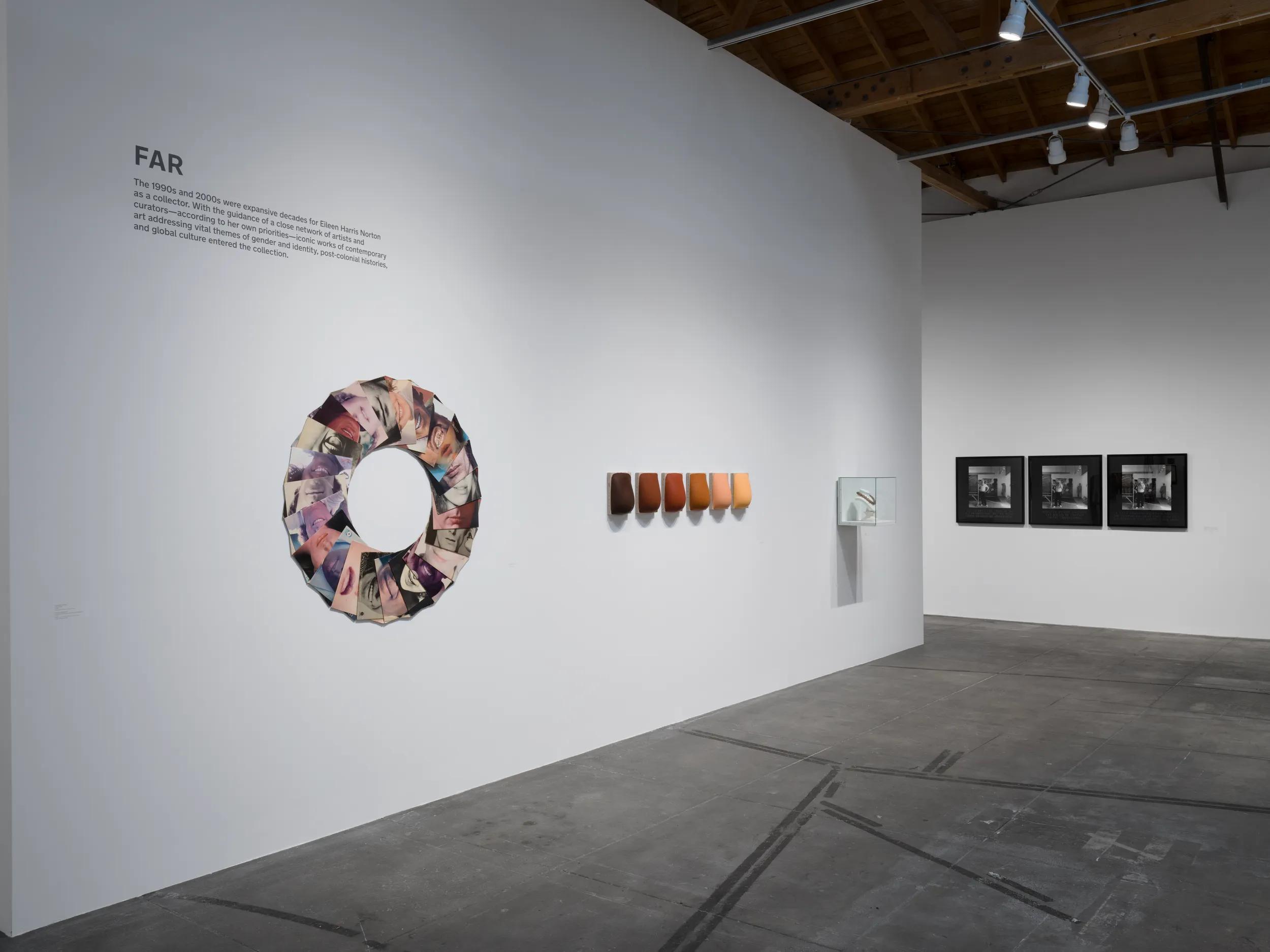
Hauser & Wirth has organised the exhibition through a sequence of chapters — Home, Essence, Near, Far and Deep — revealing collecting not simply as accumulation but as biography.
That is perhaps why the exhibition's title feels so appropriate.
Destiny Is a Rose takes its name from a 1990 painting by Kerry James Marshall in the collection.
A collection cultivated over half a century inevitably contains an element of destiny when viewed backwards. Artists emerge. Careers change. Museums revise their histories. Works once bought quietly become canonical.
But hindsight can disguise the countless individual decisions that created that outcome.
Every significant collection begins with someone choosing one work.
Then another.
For established collectors and those just beginning, Harris Norton’s example suggests several ideas worth remembering.
Buy the work rather than the noise surrounding it.
Meet artists whenever possible.
Understand where the work comes from.
Follow your interests long enough for them to become knowledge.
Do not assume that today's institutional hierarchy will be tomorrow's.
And perhaps most importantly, allow a collection to become personal.
Markets move. Rankings change. Fashion rotates rapidly.
A collection built entirely around external validation risks eventually becoming a historical record of other people's opinions.
A collection built through curiosity, relationships and conviction has the possibility of becoming something else entirely:
a point of view.
After fifty years, Destiny Is a Rose makes a persuasive case that the most interesting collectors do not merely acquire culture.
Sometimes, quietly and over decades, they help build it.
Destiny Is a Rose: The Eileen Harris Norton Collection is on view at Hauser & Wirth Downtown Los Angeles through 16 August 2026.
Yelin Lee's Ghost Play transforms emojis into sculpture, uses chroma-key screens and a two-minute delay, and turns visitors into their own fleeting afterimages.
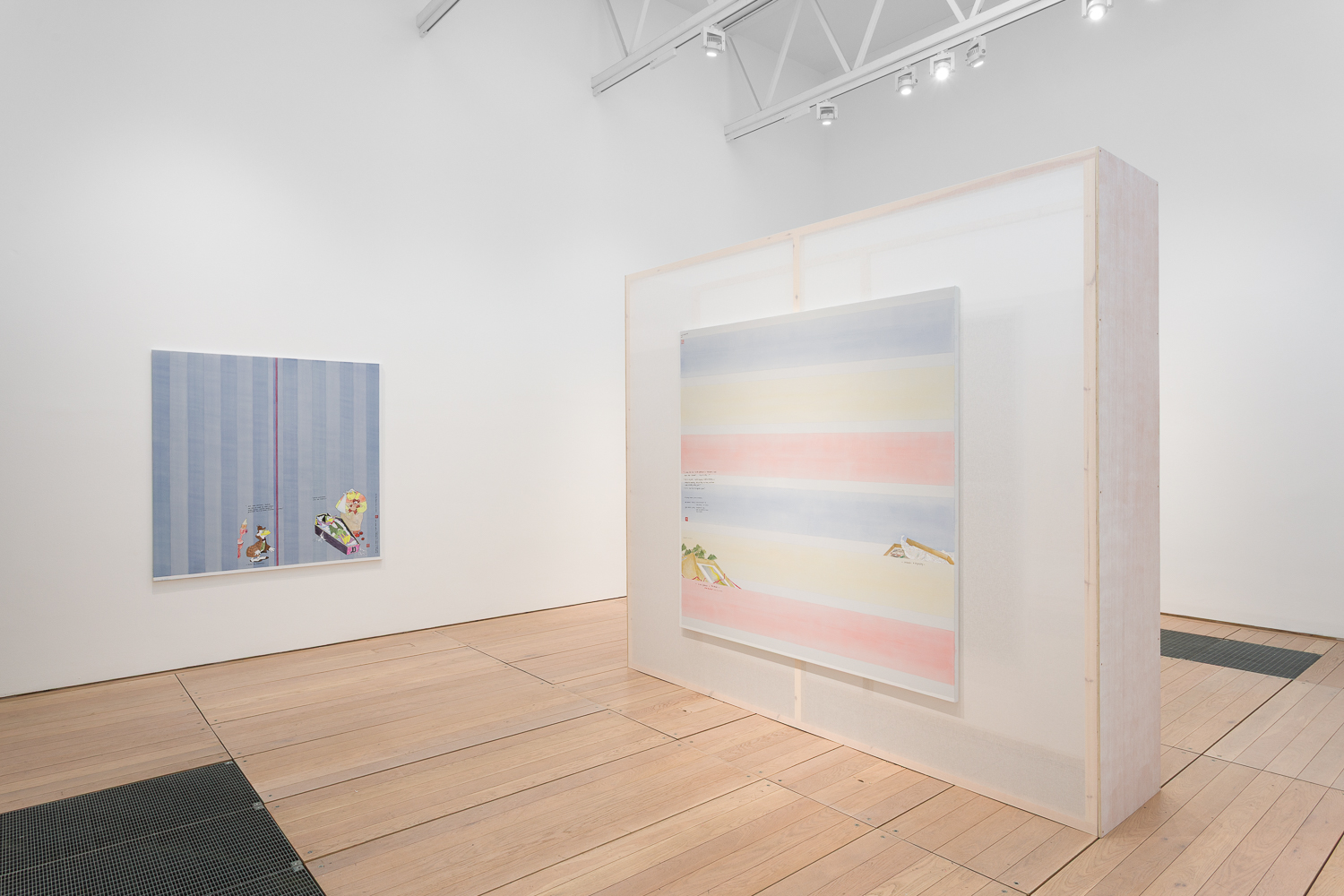
In her first UK institutional exhibition, Evelyn Taocheng Wang turns mistranslation, Agnes Martin, Chinese literati painting and fantasies of Britain into a deliberately unstable language of identity.
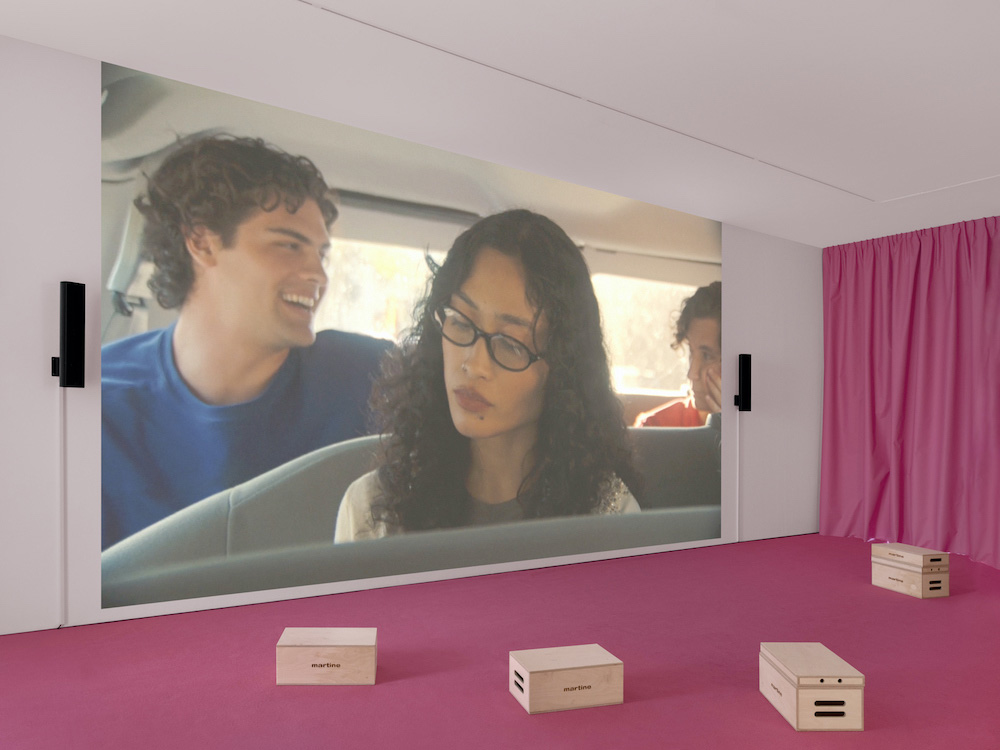
From Robert Ryman and Lorna Simpson to Mary Ramsden, Martine Syms and Nicola Turner, the strongest London route during Frieze week begins outside the fair.