
October 12, 2026
Articles
Articles
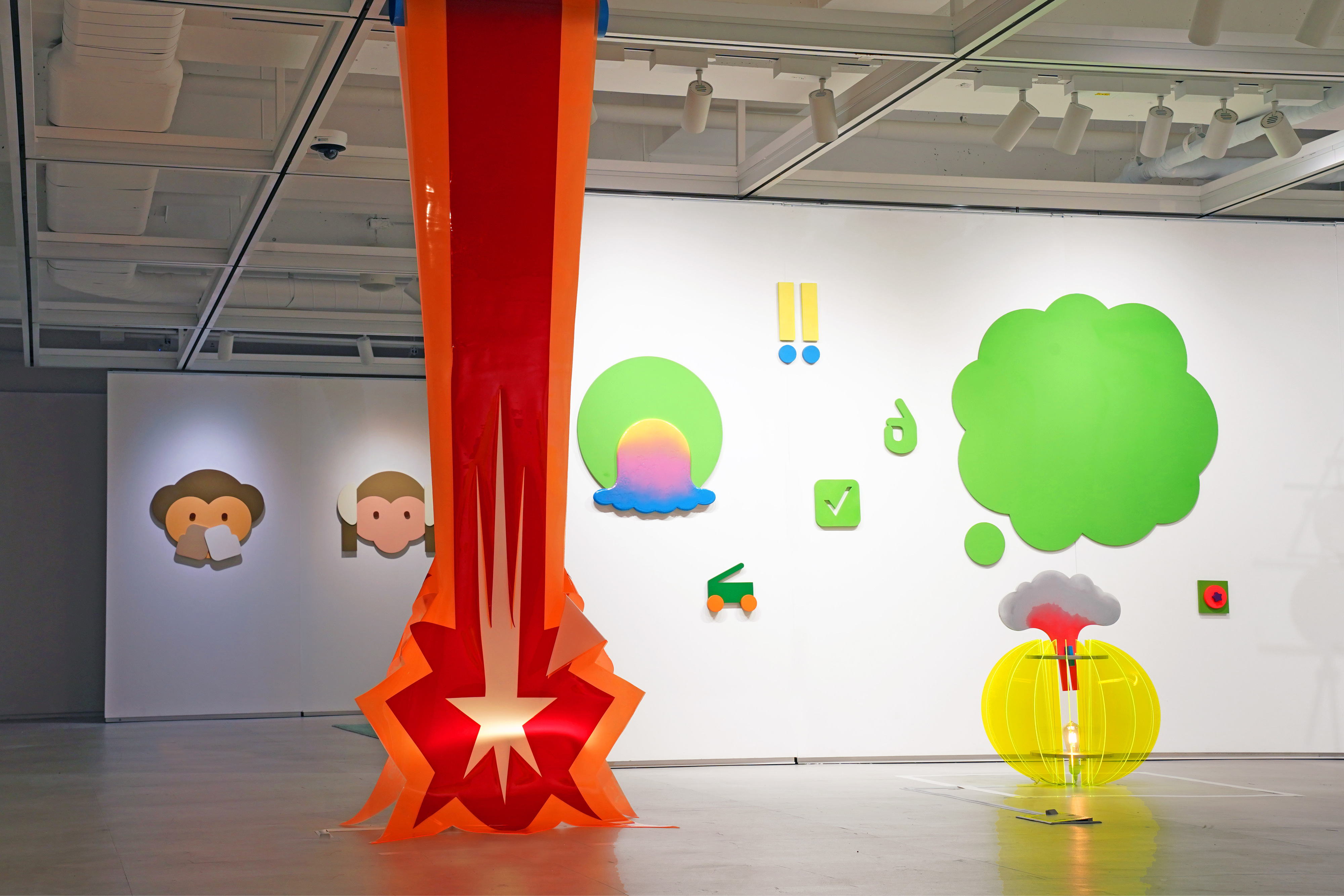
Yelin Lee's Ghost Play transforms emojis into sculpture, uses chroma-key screens and a two-minute delay, and turns visitors into their own fleeting afterimages.
The Japanese composer and media artist has received one of the field's significant international distinctions, recognising a practice that has transformed data, mathematics, light and sound into immersive artistic experiences.
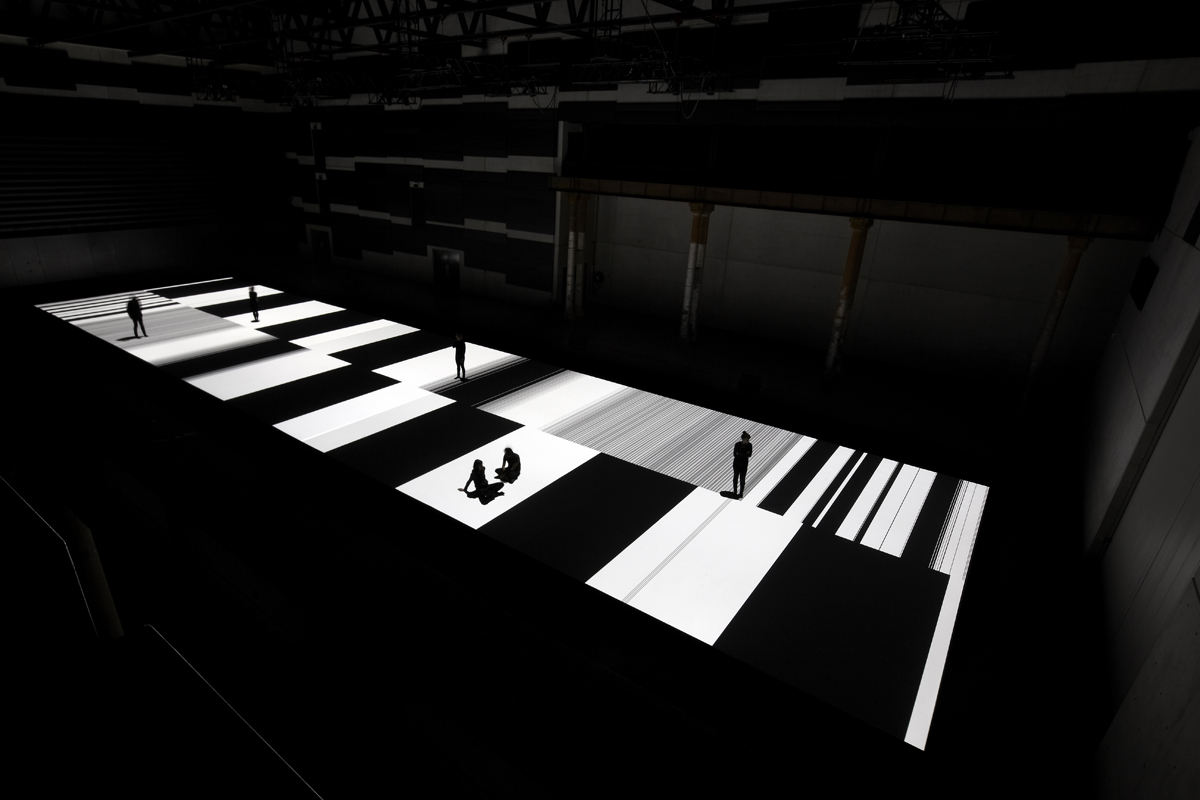
Ryoji Ikeda has been named the winner of the 2026 Nam June Paik Prize, recognising an artistic practice that has spent decades exploring the perceptual limits of sound, light, mathematics and digital information. The Nam June Paik Art Center in Yongin, South Korea, announced Ikeda as the recipient of the ninth edition of the award, with a prize ceremony scheduled for 8 September 2026. A solo exhibition at the institution will follow in 2027.
Born in Gifu, Japan, in 1966 and now working between Paris and Kyoto, Ikeda occupies an unusual position between contemporary art, experimental music, science and computation. His installations and performances often reduce sound and image to fundamental components—frequency, light, numbers and data—before rebuilding them into environments of extraordinary scale and precision.
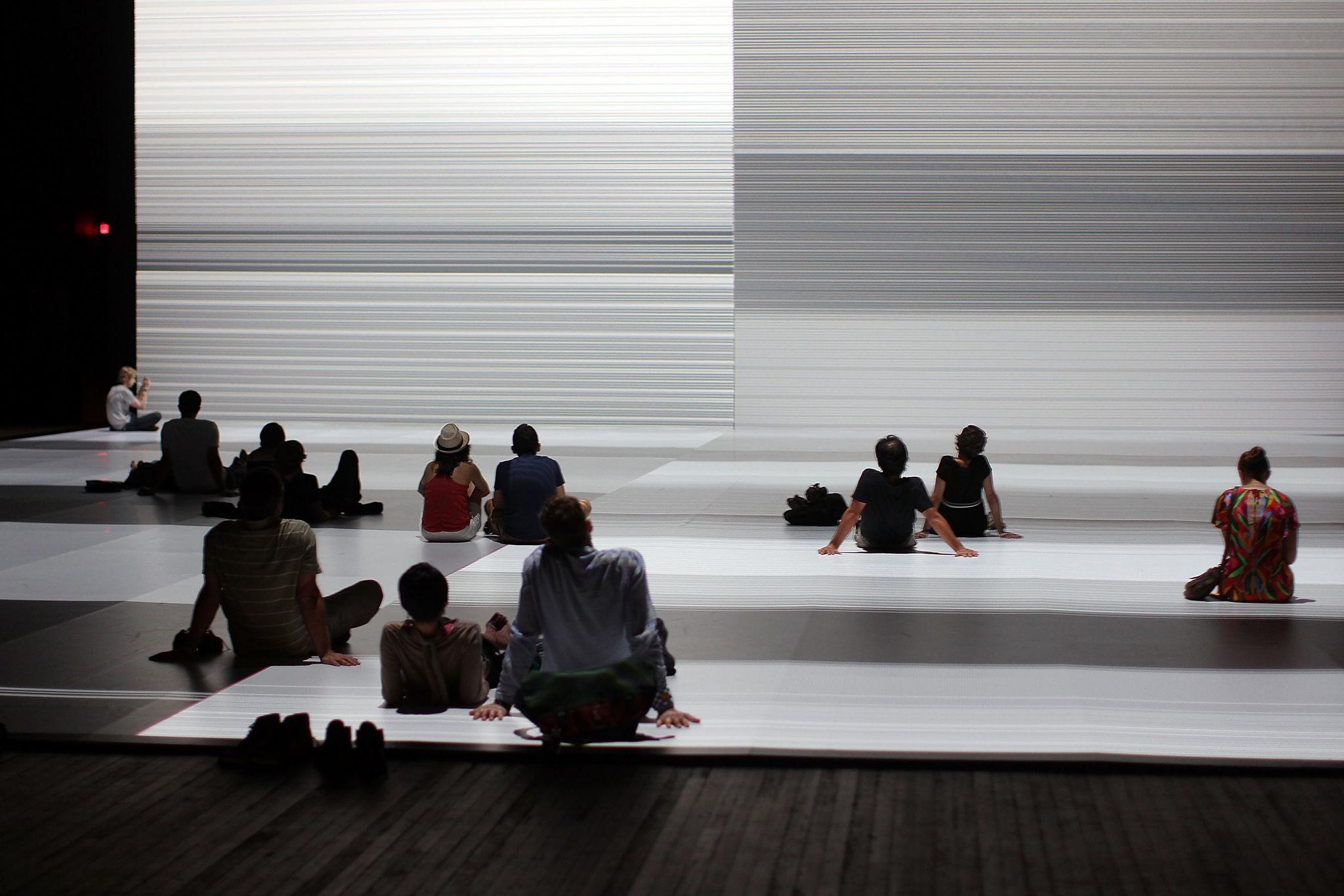
For audiences, encountering Ikeda's work can be simultaneously physical and analytical. Vast fields of rapidly moving information are projected across architectural spaces; intense black-and-white imagery alternates with darkness; electronic frequencies move between the audible and almost imperceptible. Data that ordinarily belongs to scientific or computational systems becomes something experienced through the body.
That translation between invisible systems and sensory experience has become one of the defining characteristics of Ikeda's work.
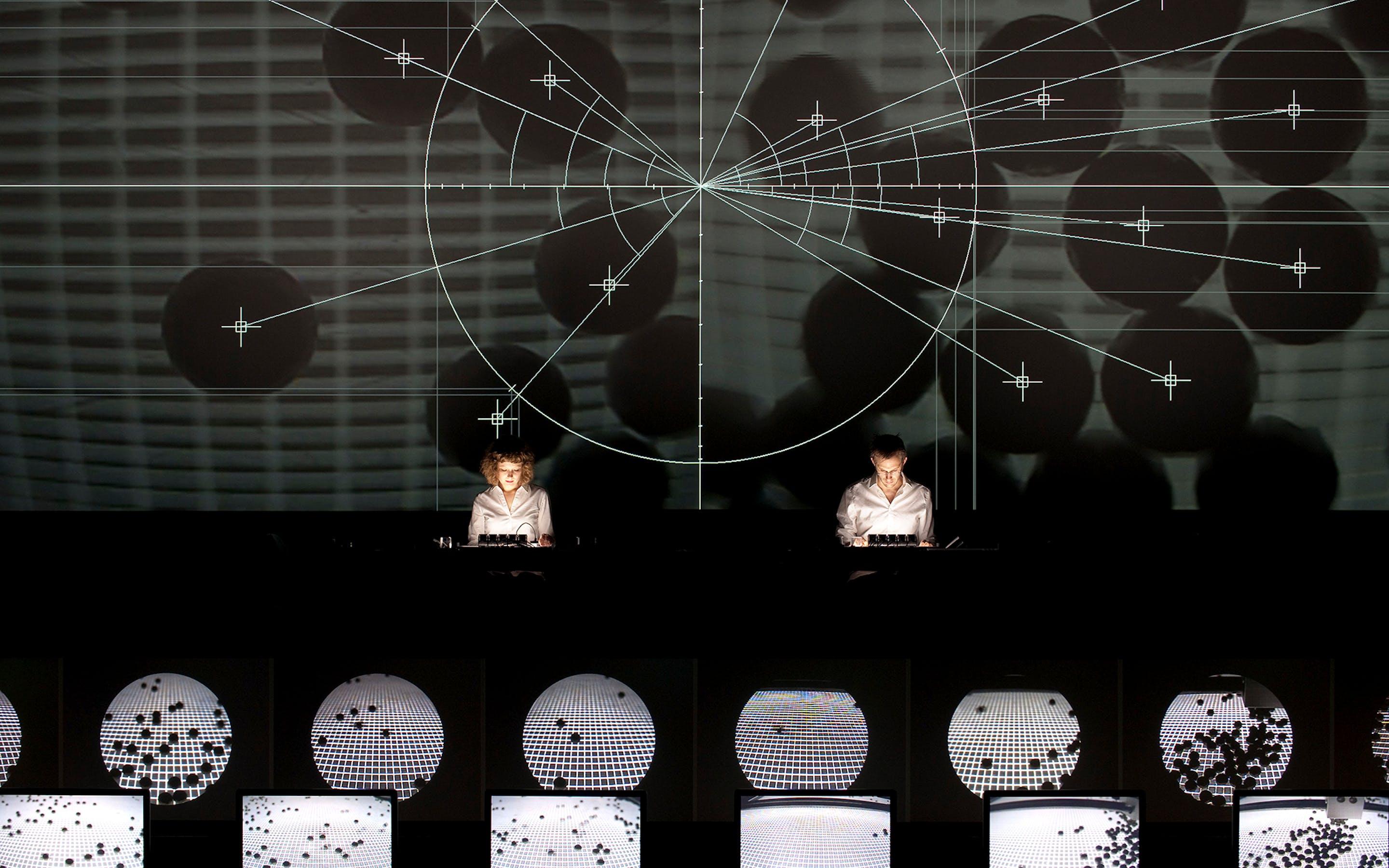
Long-running projects including datamatics, test pattern, spectra, superposition and data-verse have investigated different relationships between information and perception. Rather than treating technology simply as a medium for making art, Ikeda approaches the underlying systems themselves—numbers, coding, signal, measurement and mathematical structures—as artistic material.
It is precisely this quality that connects his work to the experimental legacy of Nam June Paik.
The jury for the 2026 prize brought together John G. Hanhardt, Sabine Himmelsbach, Sook-Kyung Lee, Namhee Park and Aaron Seeto, with Tate Modern interim director Catherine Wood participating in the curatorial team. Hanhardt, a curator and art historian with a longstanding connection to Paik's work, served as chair.
In announcing the decision, the Nam June Paik Art Center emphasised Ikeda's role in developing the language of contemporary media art. Jury member Sabine Himmelsbach, director of HEK in Basel, highlighted his integration of sound, data, mathematics, computation and immersive installation, positioning the practice as an extension of Paik's experimental approach into today's algorithmic culture.
The comparison is particularly apt. Paik helped transform television and electronic technology from channels of communication into artistic material. Ikeda operates several technological generations later, at a moment when data rather than broadcast television increasingly structures everyday experience.
Where Paik examined the visual and cultural possibilities of electronic networks, Ikeda asks what happens when the immense quantities of information generated by contemporary life are translated back into light, rhythm and space.
His international exhibition history reflects the increasing institutional recognition of this approach. Ikeda has presented major solo projects at the Museum of Contemporary Art Tokyo, Park Avenue Armory in New York, Centre Pompidou in Paris, Taipei Fine Arts Museum and 180 Studios in London. Recent exhibitions have included presentations at the High Museum of Art in Atlanta, the National Asian Culture Center in Gwangju and, in 2026, data-verse at BERG Contemporary in Reykjavík and sleeping beauty at Taro Nasu in Tokyo.
The Nam June Paik Prize therefore arrives not as a sudden recognition but as another significant marker in a career that has helped establish audiovisual and data-based practice within the international contemporary-art canon.
It is also an acknowledgement of a broader development within contemporary art. Computational systems are no longer simply technical tools sitting behind the production of images. Algorithms, artificial intelligence, data infrastructures and digital networks increasingly constitute the environments through which culture itself is experienced.
Ikeda's work has been examining that condition for decades.
The forthcoming 2027 exhibition at the Nam June Paik Art Center should consequently provide more than a survey of an established media artist. It brings together two generations of artists who understood that technological change also alters how we perceive the world—and that those changes can themselves become the subject of art.
Hero Image: Ryoji Ikeda, test pattern [no.5], 2013, audiovisual installation at Carriageworks. Commissioned and presented by Carriageworks and ISEA2013 in collaboration with Vivid Sydney. Image Zan Wimberley
Yelin Lee's Ghost Play transforms emojis into sculpture, uses chroma-key screens and a two-minute delay, and turns visitors into their own fleeting afterimages.
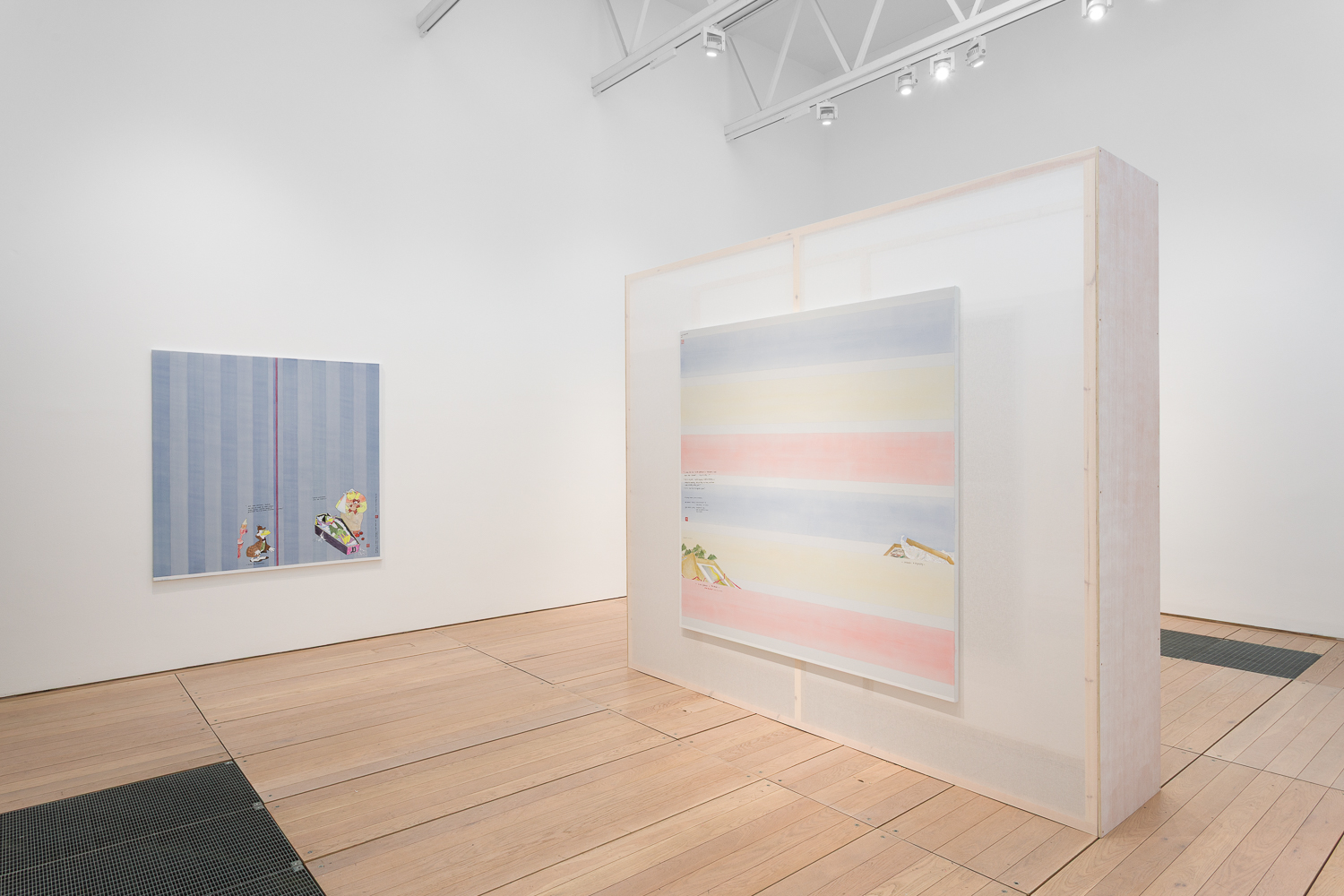
In her first UK institutional exhibition, Evelyn Taocheng Wang turns mistranslation, Agnes Martin, Chinese literati painting and fantasies of Britain into a deliberately unstable language of identity.
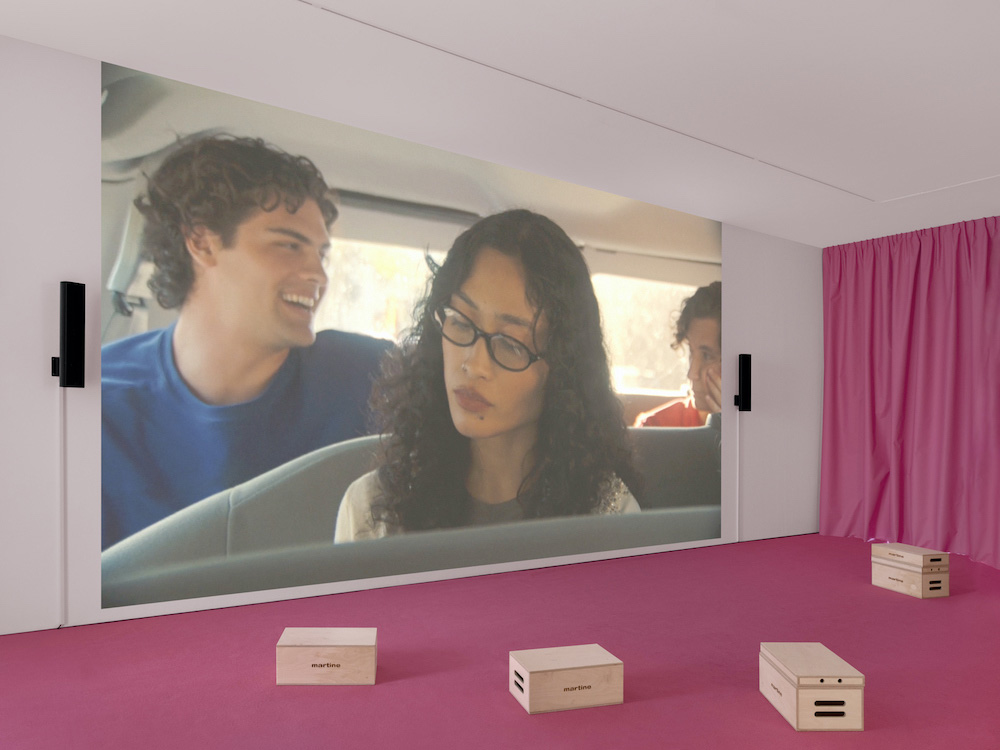
From Robert Ryman and Lorna Simpson to Mary Ramsden, Martine Syms and Nicola Turner, the strongest London route during Frieze week begins outside the fair.