LATEST NEWS:
Jenny Holzer & Andy Goldsworthy win 2026 Praemium Imperiale • €9m Renoir museum heist in France • Dimitris Daskalopoulos donates 51 works to museums in Greece & Scotland • Artist Lucien Smith dies aged 37 • Faro Santander opens with 1,000-work collection • Argentina orders return of Nazi-looted Old Master • Greece rejects Parthenon Marbles loan request • Smithsonian chief Lonnie Bunch announces retirement
Go Back
Magazine

Rana Begum: The Art That Changes With the House

Rana Begum treats light as a material. Her first New York solo exhibition offers collectors a precise lesson in how architecture, daylight, colour and movement can keep changing an artwork after it enters the home.

Articles
Articles
Rana Begum: The Art That Changes With the House

Rana Begum makes one of the clearest arguments against treating art and architecture as separate experiences. Her first New York solo exhibition, at Lehmann Maupin from 10 September, is built around works whose colour changes with light, viewing angle and the surfaces around them.

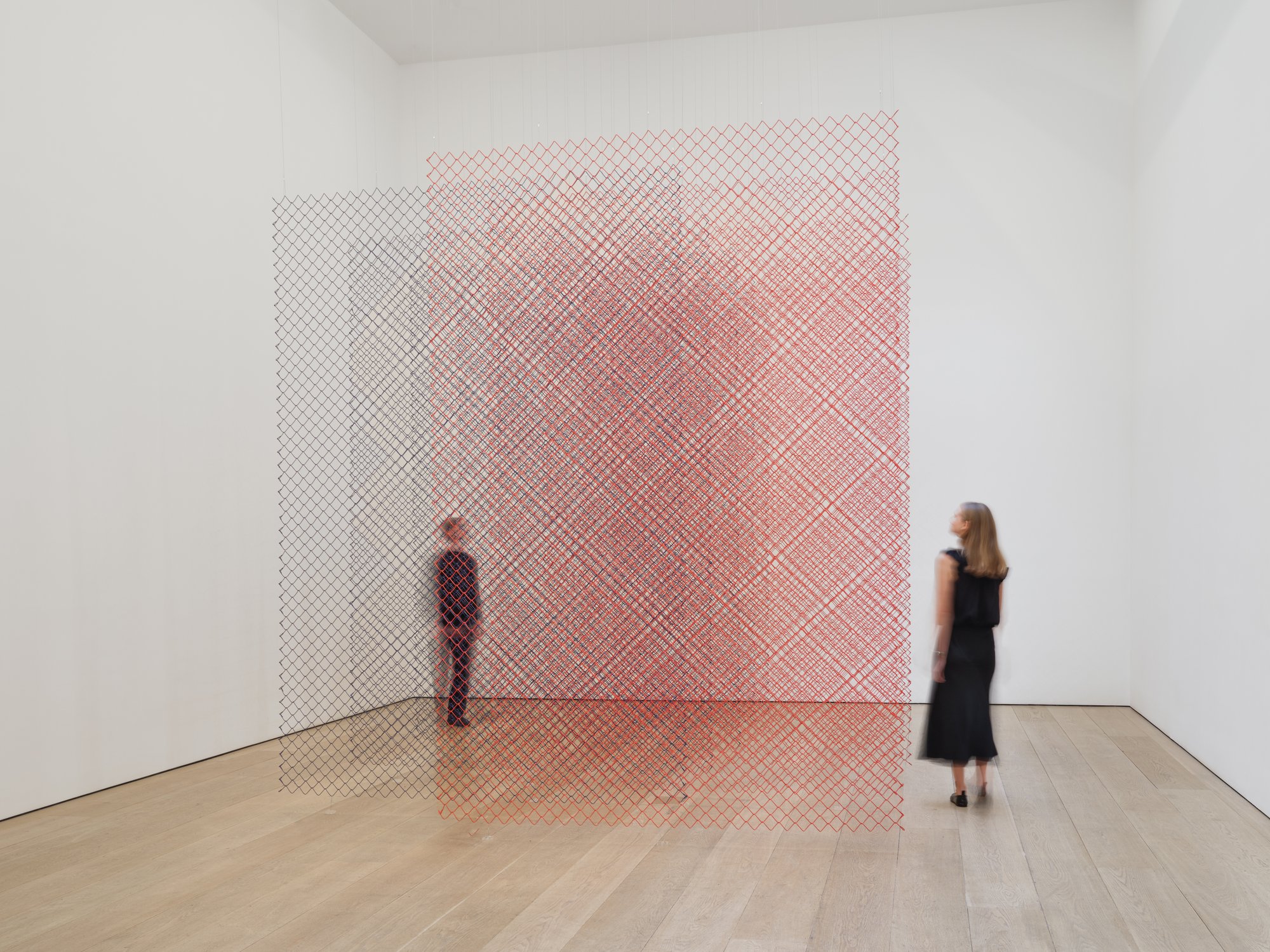
Begum often describes light less as an effect than as a material. Reflective metals, painted planes, glass and repeated geometries take ambient conditions and return them altered. The same object can look compressed from one position and unexpectedly expansive from another.

That makes this an unusually natural ARTCOLLECTORHOMES story. Collectors frequently ask whether a work 'fits' a room as though the work were fixed and the room were neutral. Begum’s practice shows the opposite: wall colour, daylight, artificial light and circulation become active components in what the collector sees.

The room completes the work

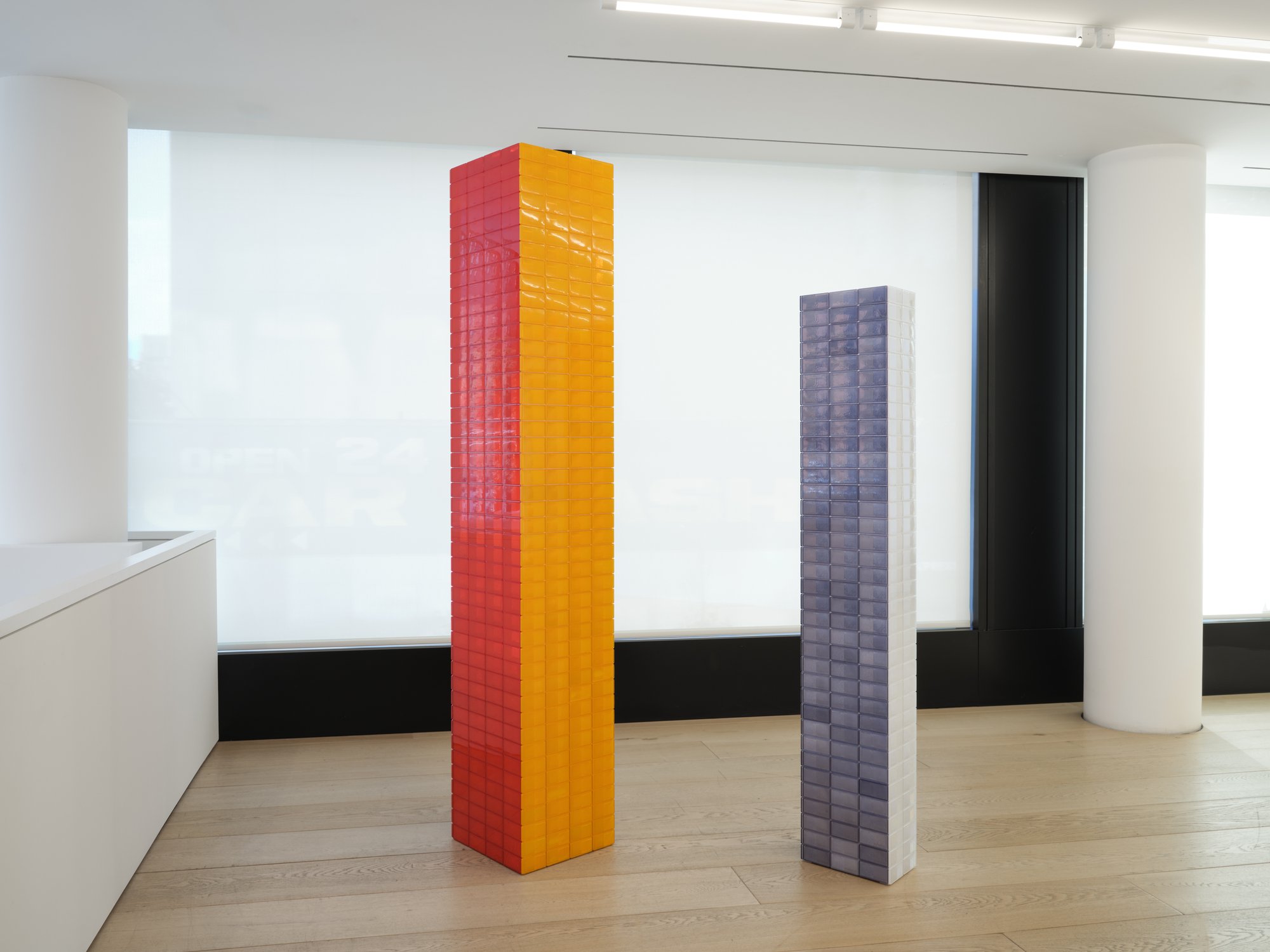
Rana Begum New York exhibition image 1
Rana Begum, current New York exhibition view/work, 2026. © Rana Begum; courtesy the artist and Lehmann Maupin.

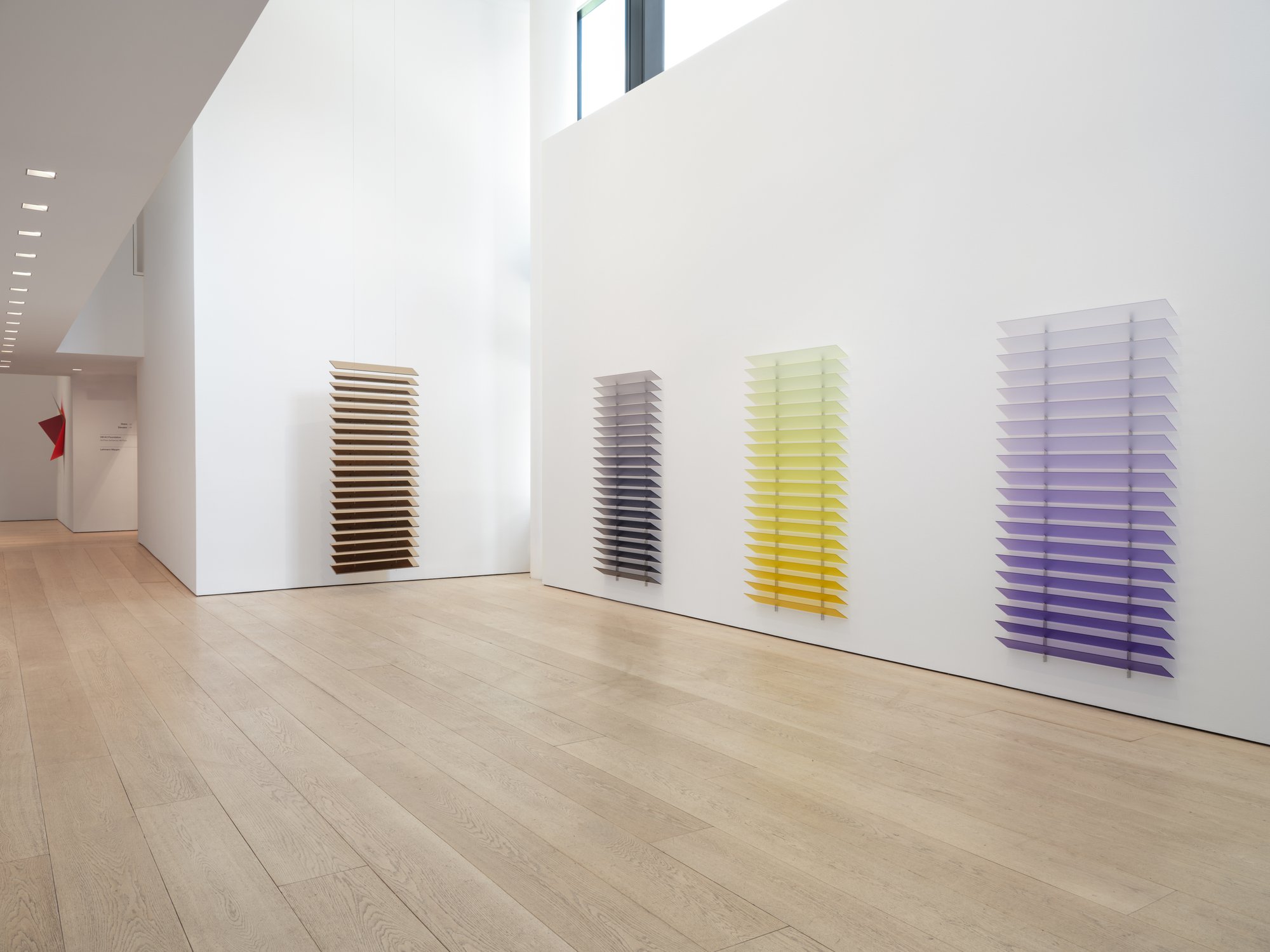
The new exhibition includes works from Begum’s Reflector and Louvre vocabularies. The Louvre works take cues from architectural vents, blinds, façade systems and other devices that filter light rather than simply blocking it.

Geometric repetition connects the work to Begum’s longstanding engagement with Islamic art and architecture, but the result is not quotation. Structure becomes a way of controlling intervals—between colour and shadow, object and wall, regularity and optical instability.

For a collector, the practical implication is important. A reflective or relief work should be viewed under more than one lighting condition before acquisition if possible. A photograph taken frontally under gallery lights cannot fully predict how the object will behave near a window or in a darker domestic room.

Colour that refuses to stay put

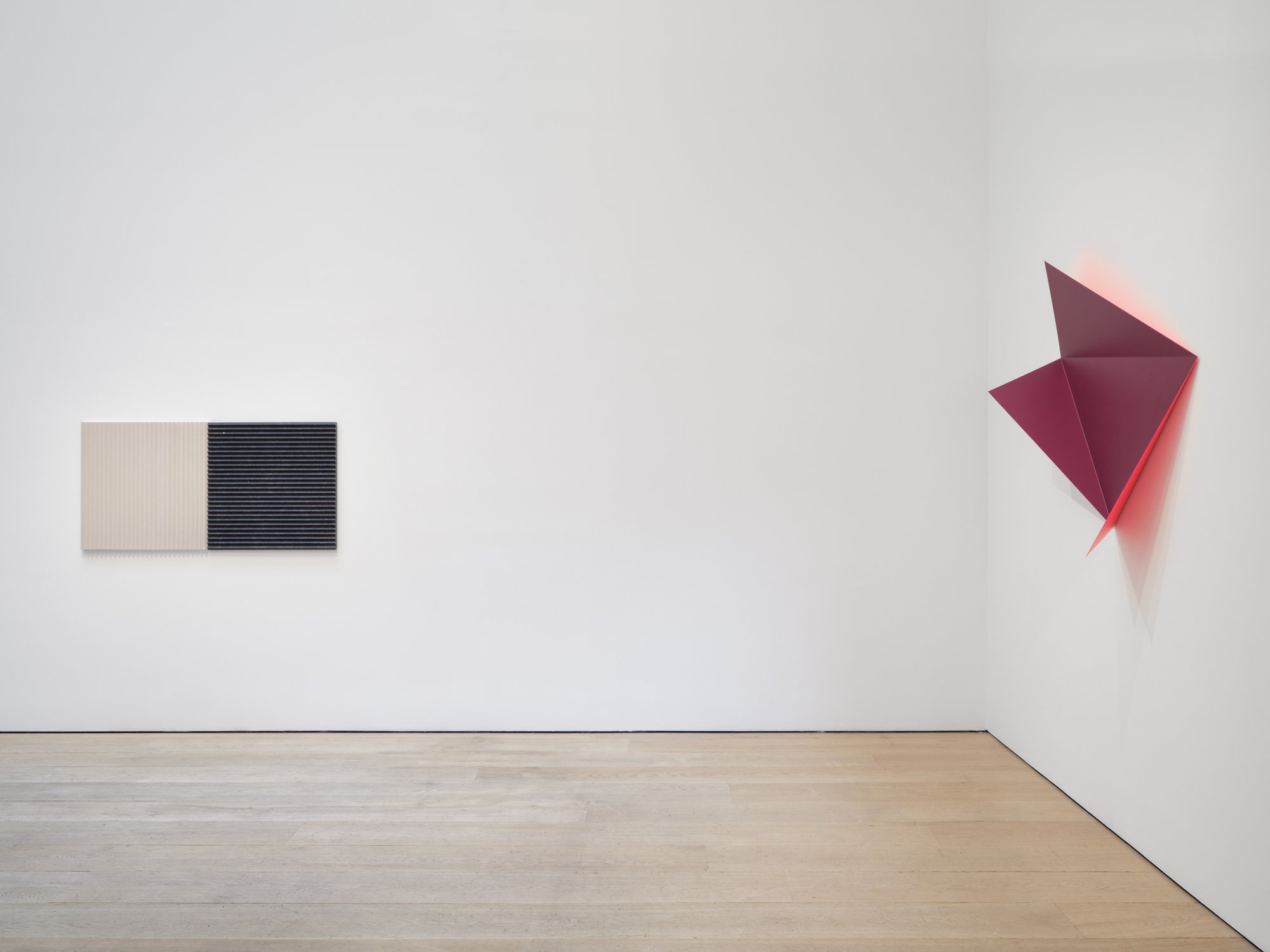
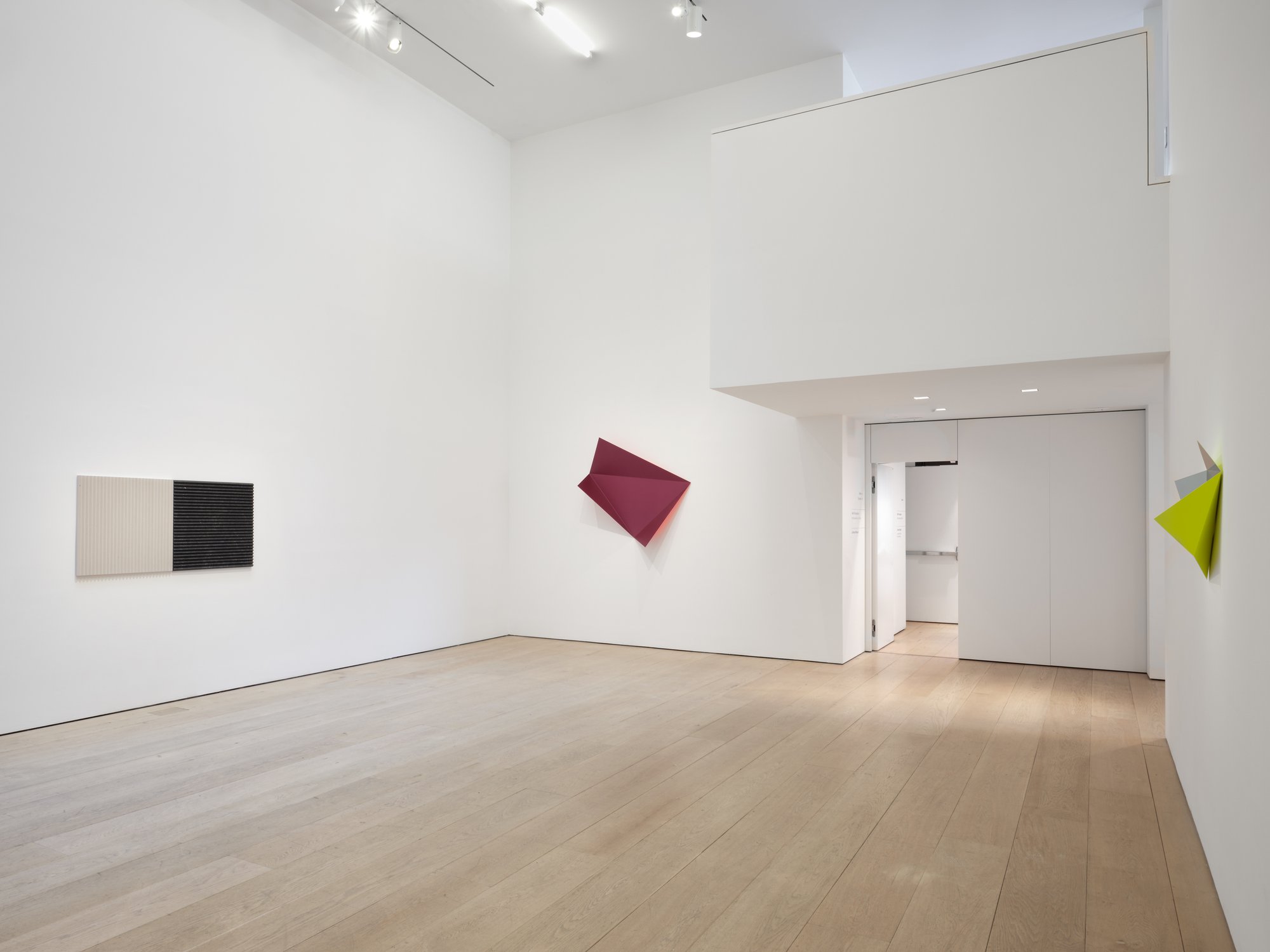
Rana Begum New York exhibition image 2
Rana Begum, current New York exhibition view/work, 2026. © Rana Begum; courtesy the artist and Lehmann Maupin.

Begum’s colour can appear emphatic in photographs, yet its physical experience is often more elusive. Reflected colour may land on a wall rather than remain on the object; edges can seem to disappear; a neutral metal surface can acquire colour from its environment.

That quality makes the work particularly rewarding in homes where light changes dramatically through the day. It also means installation should be treated as a collaboration between artwork and architecture, not simply a hanging decision.

Begum’s recent trajectory reinforces that architectural scale. Her US museum debut at SCAD, public and institutional commissions, and outdoor presentation at Wakehurst alongside Henry Moore all extend a practice that has moved fluidly between intimate wall works and site-responsive environments.

Collecting the conditions, not only the object

Rana Begum New York exhibition image 3
Rana Begum, current New York exhibition view/work, 2026. © Rana Begum; courtesy the artist and Lehmann Maupin.

A useful way to think about Begum is that the collector acquires a precisely made object whose appearance remains conditional. That distinction separates the work from art that simply contains reflective materials as a visual flourish.

Spacing matters. So does wall finish. A highly saturated wall may transform reflected colour; a textured surface will break it differently from a flat one. Nearby artworks can also enter the optical field.

None of this makes the work difficult to live with. It makes it responsive. The reward is that familiarity does not necessarily exhaust it: the work can look different in winter light, at night, or from the path someone takes through the room.

Why photographs are unusually unreliable here

Begum’s work is highly photogenic, but that can be misleading. A camera freezes a single angle, a particular exposure and one lighting condition. In person, reflective planes and repeated forms shift as the viewer moves. Colour may appear to detach from the object and land on the wall; a surface that looks opaque frontally can become luminous from the side.

For collectors, this makes in-person viewing particularly valuable. It is worth walking past a work several times, stepping closer and farther away, and observing it under the gallery’s changing daylight if possible. Documentation should include side views and installation photographs, not only the frontal image that will usually appear in a catalogue.

Industrial materials, precise fabrication

Begum’s practice often uses materials associated with architecture and industry rather than traditional painting supports. That matters because the apparent simplicity of the finished object depends on fabrication precision. Edges, spacing, reflectivity and the relationship between planes determine how light behaves.

The result can look minimal without being visually static. Begum’s work shares something with the history of geometric abstraction and Minimalism, but its experience is less about the autonomous object than about continuous exchange with the environment. The wall, floor, viewer and available light all enter the work.

The Islamic geometric reference is structural, not ornamental

Begum has also spoken consistently about the influence of Islamic art and architecture, particularly repetition, symmetry, pattern and the sense of an order extending beyond the individual object. It is important not to treat that influence as surface decoration. Repetition in her work creates rhythm and potentially infinite continuation; it is a way of organising perception.

That helps explain why domestic installation can be so successful. A repeated geometric structure can create calm without becoming passive, while reflected colour keeps the experience unstable. The work does not need a museum-scale room to be active, but it does need enough visual breathing space for its optical effects to register.

What the New York debut clarifies

The significance of Begum’s first New York solo exhibition is not simply geographic. It arrives after her U.S. museum debut at the SCAD Museum of Art and alongside a broader sequence of public projects, including the Climate Clock commission in Oulu and an outdoor sculpture presentation at Wakehurst in Sussex with works by Henry Moore. Together, those contexts show a practice moving confidently between wall-based intimacy, public scale and landscape.

For collectors, that range can make selection more informed. A smaller wall work is not merely a reduced version of a public sculpture. Each format tests light, colour and repetition differently. The New York exhibition offers a concentrated opportunity to see how those ideas survive the change of scale.

Exhibition information

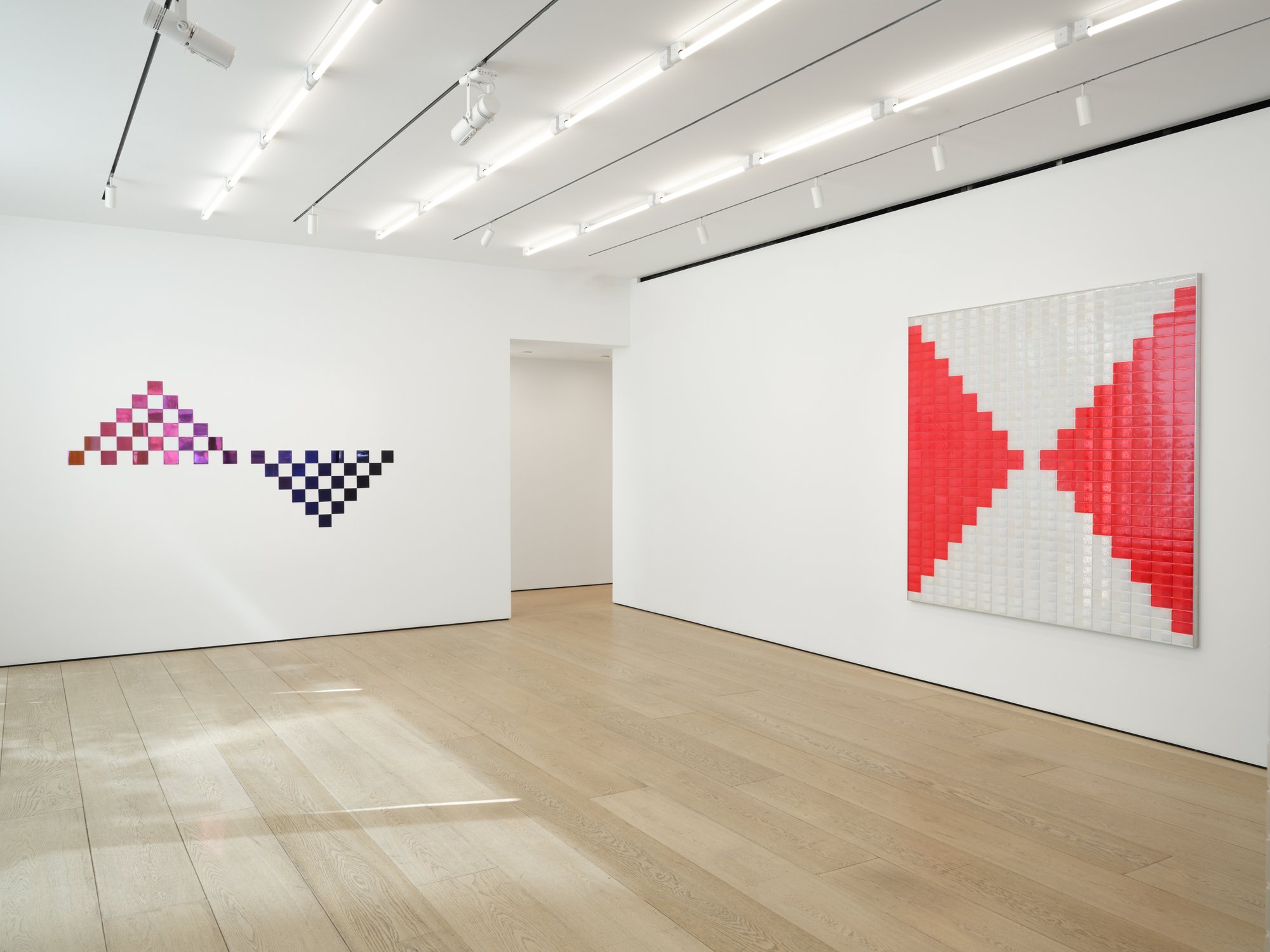
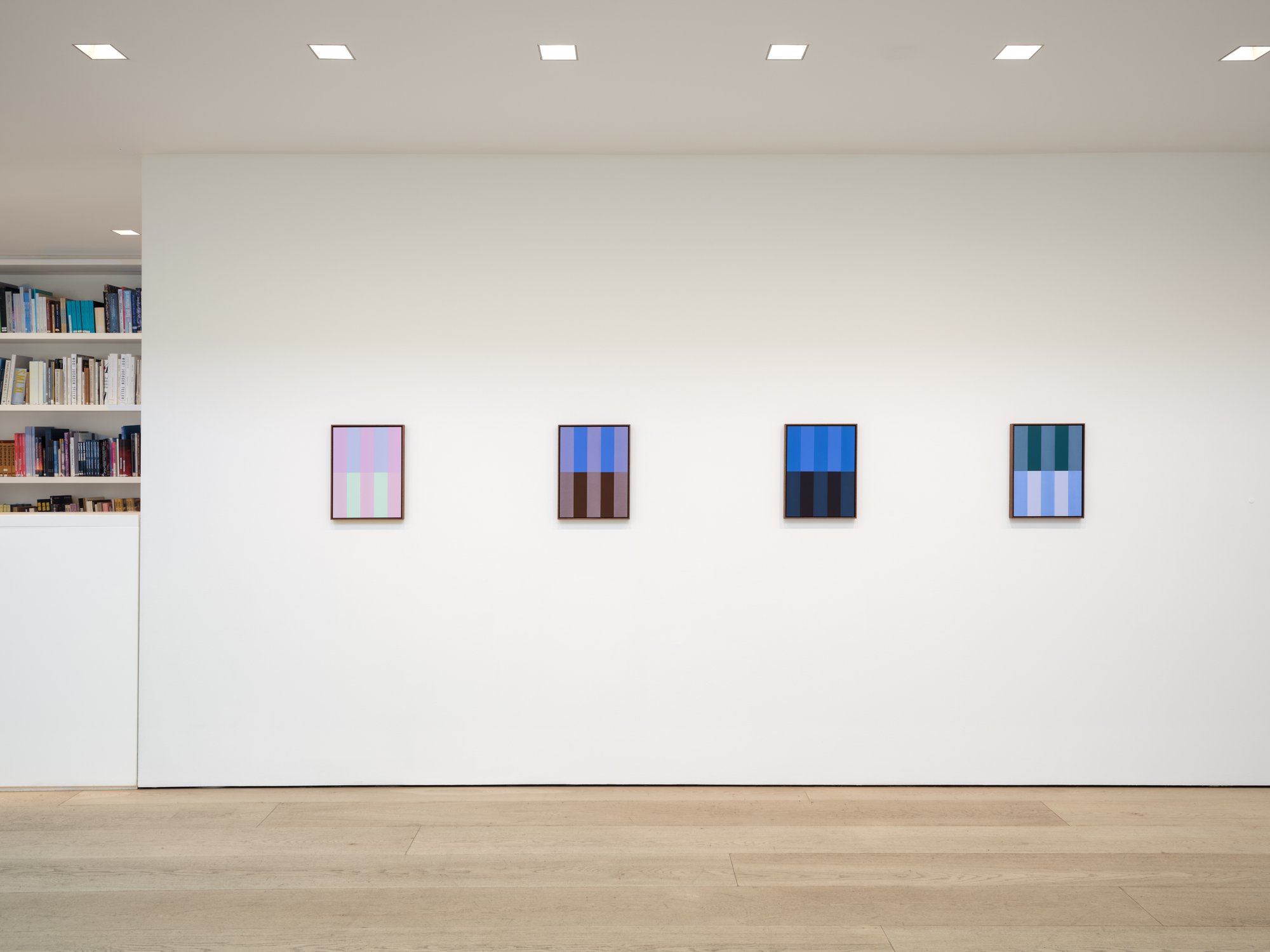
Rana Begum New York exhibition image 4
Rana Begum, current New York exhibition view/work, 2026. © Rana Begum; courtesy the artist and Lehmann Maupin.

Rana Begum’s first solo exhibition in New York is on view at Lehmann Maupin from 10 September to 24 October 2026.

Rana Begum New York exhibition image 5
Rana Begum, current New York exhibition view/work, 2026. © Rana Begum; courtesy the artist and Lehmann Maupin.
Date
Sep 17, 2026
Share

Latest Posts

September 17, 2026
Exhibitions
Exhibitions
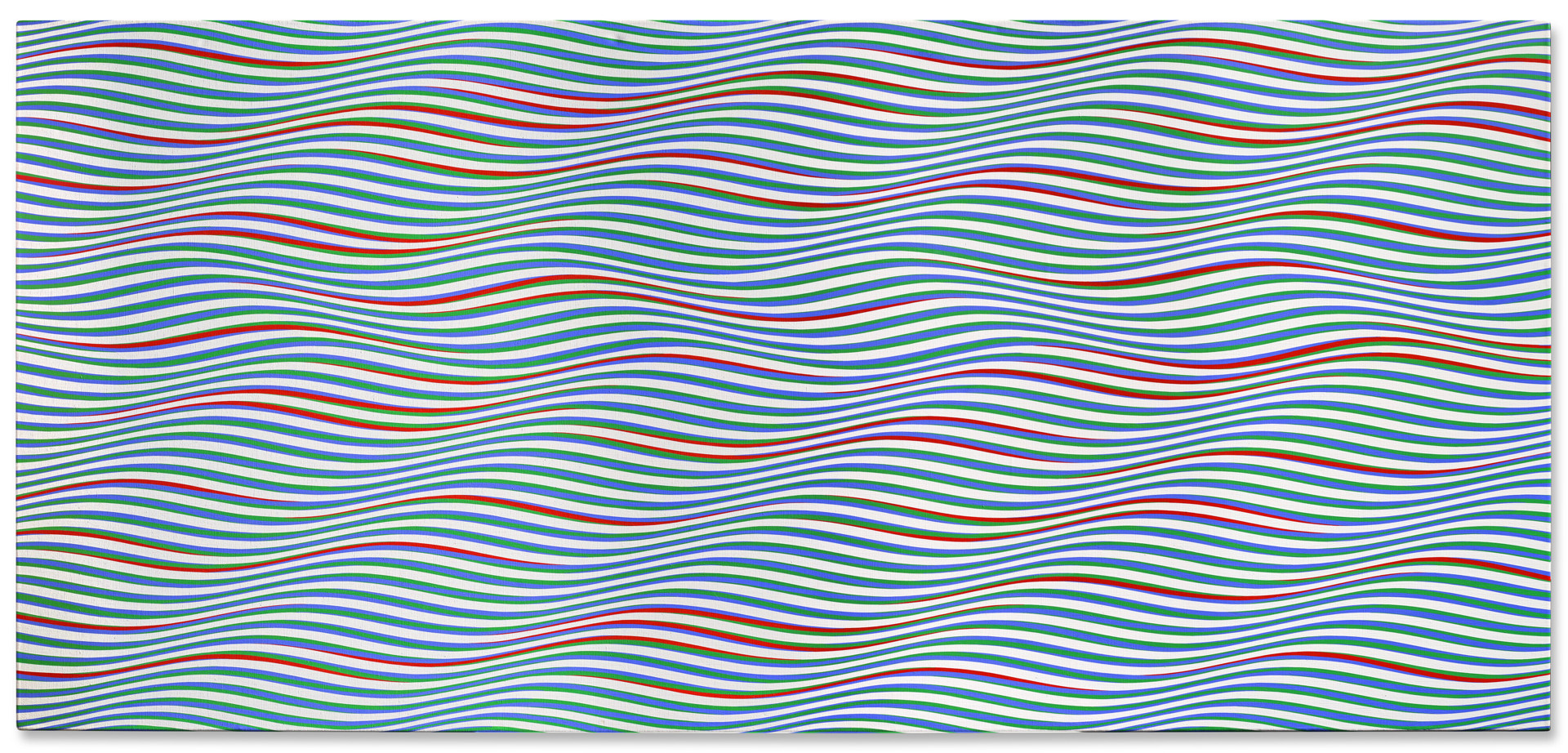
The Eye Behind Monsoon: What Peter Simon’s Collection Reveals About Buying Art on Instinct

Peter Simon’s collection is large enough to read as a survey of modern and contemporary art, but its more useful story for collectors is personal: how a commercial eye trained on textiles, colour and pattern became an art-collecting instinct — and why conviction still matters when markets move against you.
September 17, 2026
Articles
Articles
Rana Begum: The Art That Changes With the House

Rana Begum treats light as a material. Her first New York solo exhibition offers collectors a precise lesson in how architecture, daylight, colour and movement can keep changing an artwork after it enters the home.

September 17, 2026
Articles
Articles
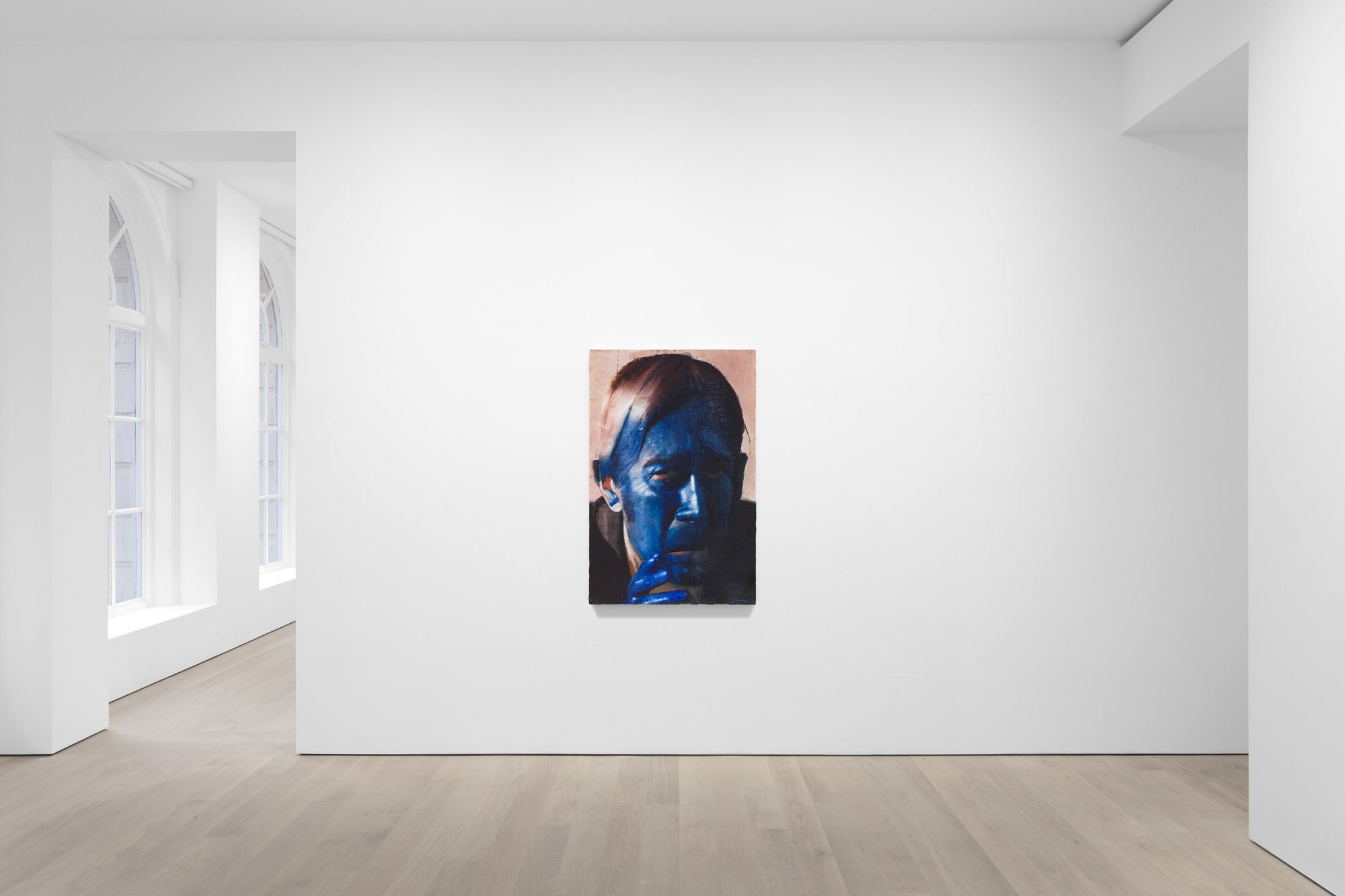
Joseph Yaeger and the Unreliable Image: Painting What Memory Gets Wrong

Joseph Yaeger’s Agita begins with images we think we recognise and a text we cannot fully trust. We examine how memory, found imagery, watercolour and material accident turn contemporary image culture into psychologically unstable painting.