Go Back
Magazine

Nnena Kalu’s Transformative Sculptures Win Turner Prize 2025

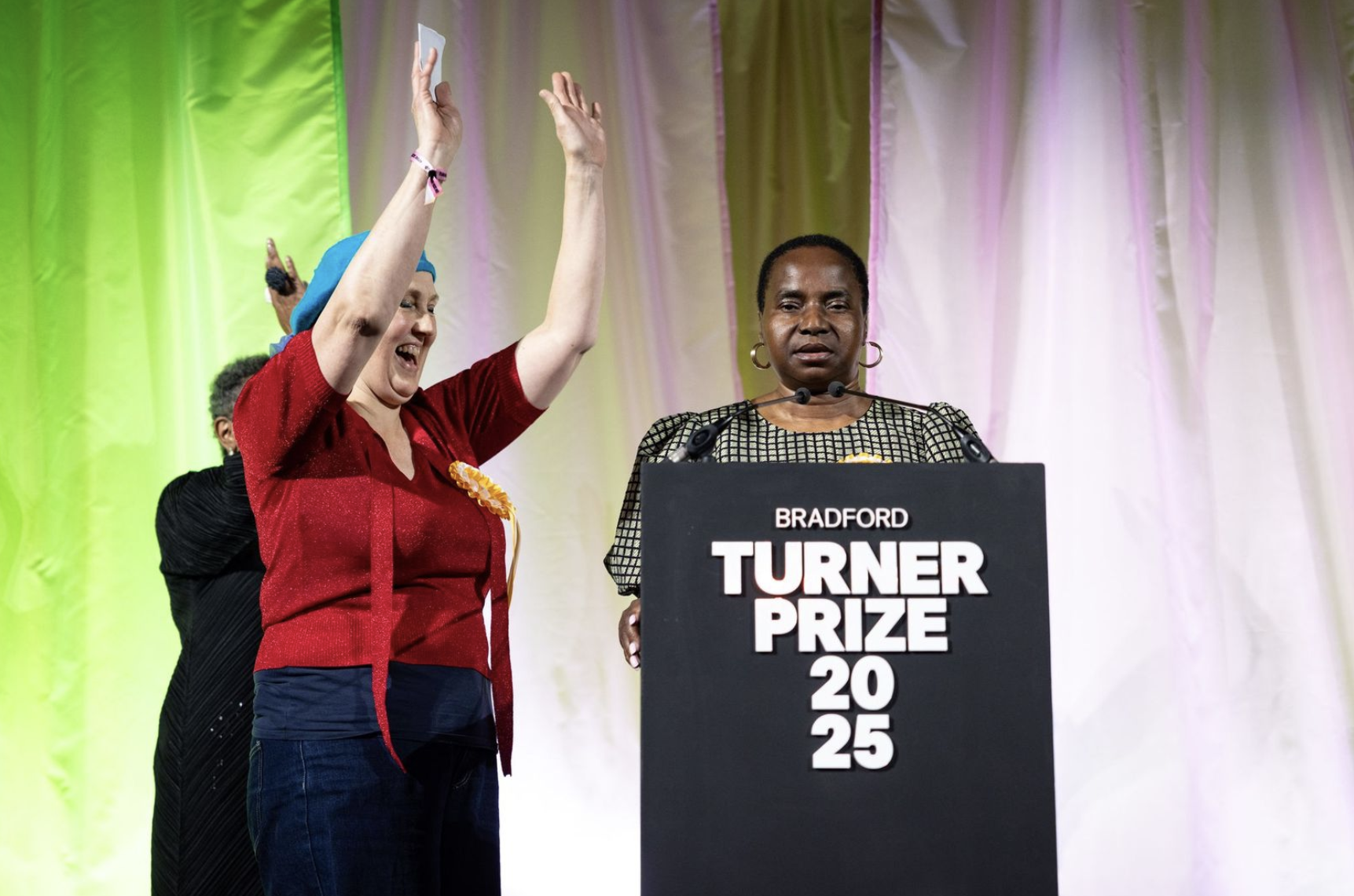
The Turner Prize 2025 has been awarded to Nnena Kalu. The winner of the £25,000 prize was announced this evening at a ceremony at Bradford Grammar School presented by magician Steven Frayne, formerly known as Dynamo, in Bradford, this year’s UK City of Culture, and broadcast live on BBC News.

Nnena Kalu’s Transformative Sculptures Win Turner Prize 2025

Nnena Kalu has been named the winner of the Turner Prize 2025, receiving the £25,000 award at a ceremony held on Tuesday evening at Bradford Grammar School. The announcement, presented by magician Steven Frayne—formerly known as Dynamo—was broadcast live on BBC News and formed a central moment in Bradford’s year as UK City of Culture.

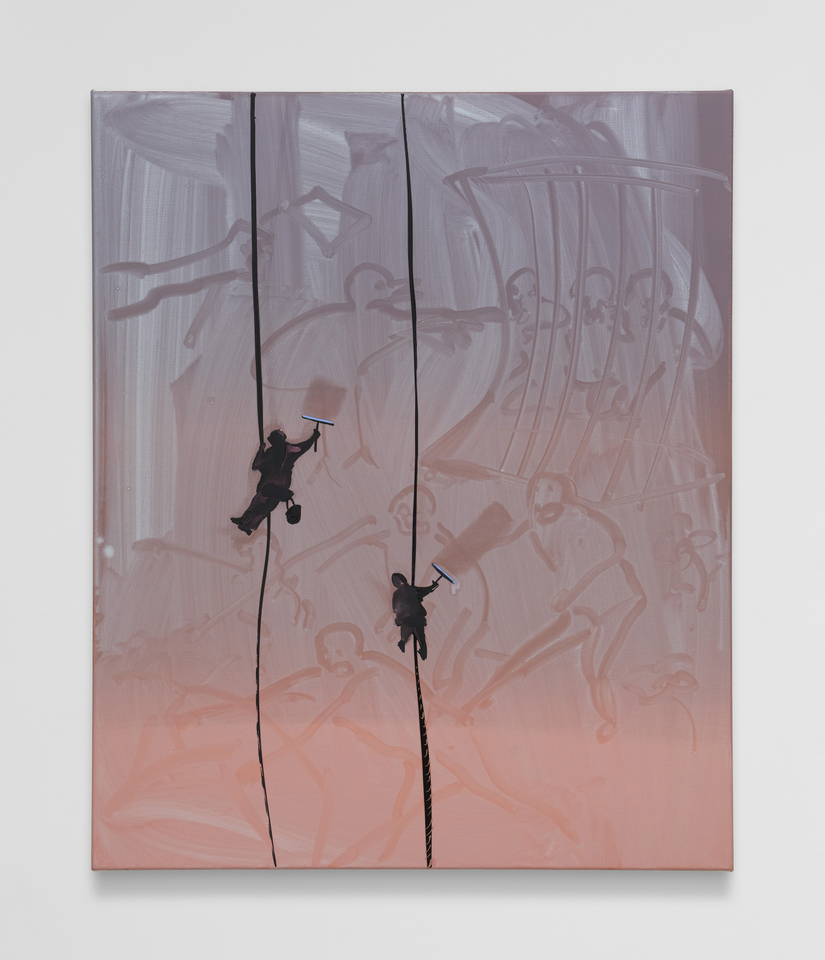
Kalu was selected from a shortlist that included Rene Matić, Mohammed Sami and Zadie Xa, a group whose practices span sculpture, painting, drawing, sound and installation. The jury praised all four artists for the confidence and clarity of their presentations, noting that the exhibition offered a broad snapshot of current approaches within British contemporary art. Staged at Cartwright Hall Art Gallery, the Turner Prize exhibition has already attracted 34,000 visitors, a strong indication of the prize’s continued public appeal, particularly in its touring format beyond London.

Turner Prize 2025. Photo (c) James Speakman PA Media Assignments (4)

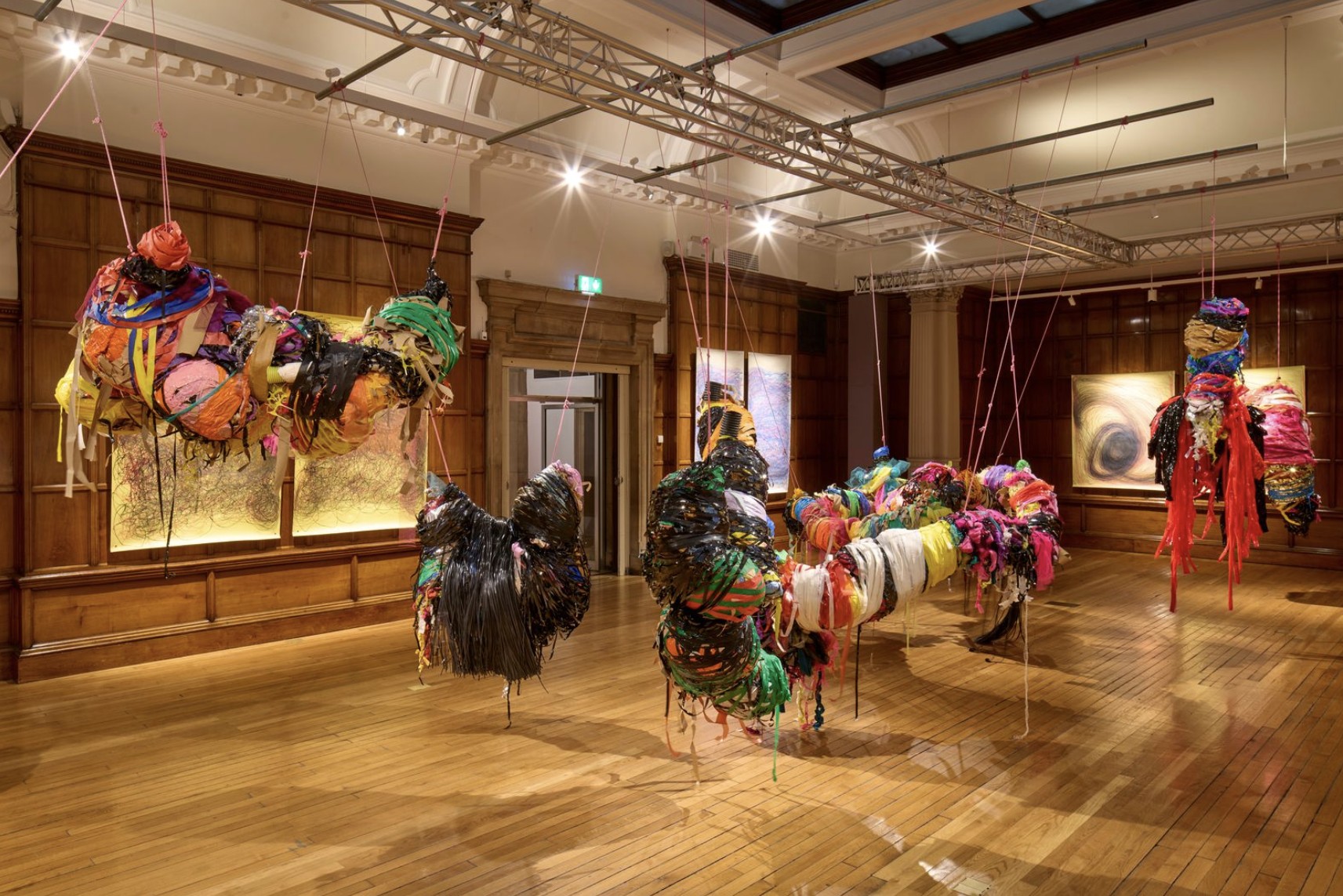
The jury ultimately awarded the prize to Kalu for a body of work that combines large-scale hanging sculptures with intensely worked drawings. Her sculptural works are constructed through the repetitive wrapping, knotting and folding of repurposed materials—fabric, rope, parcel tape, cling film, paper and VHS tape—into dense, cocoon-like forms that hang from ceilings or walls. These are shown alongside drawings built from vigorous, rhythmic gestures, layered into vortexes and spirals that echo the physical energy of the sculptures. The jury highlighted Kalu’s “bold and compelling” translation of gesture into form, as well as her assured handling of colour, composition and scale.

Kalu’s practice is notable for its insistence on process and repetition. Often produced onsite, her works respond directly to architectural space, accumulating presence rather than delivering overt narrative or didactic content. This quality aligns closely with recent Turner Prize tendencies, which have favoured material intensity and embodied making over spectacle or provocation. At their strongest, Kalu’s works exert a powerful visual and spatial pull; at the same time, they raise familiar questions about how abstraction and repetition operate within an institutional context increasingly attuned to issues of access, inclusion and visibility.

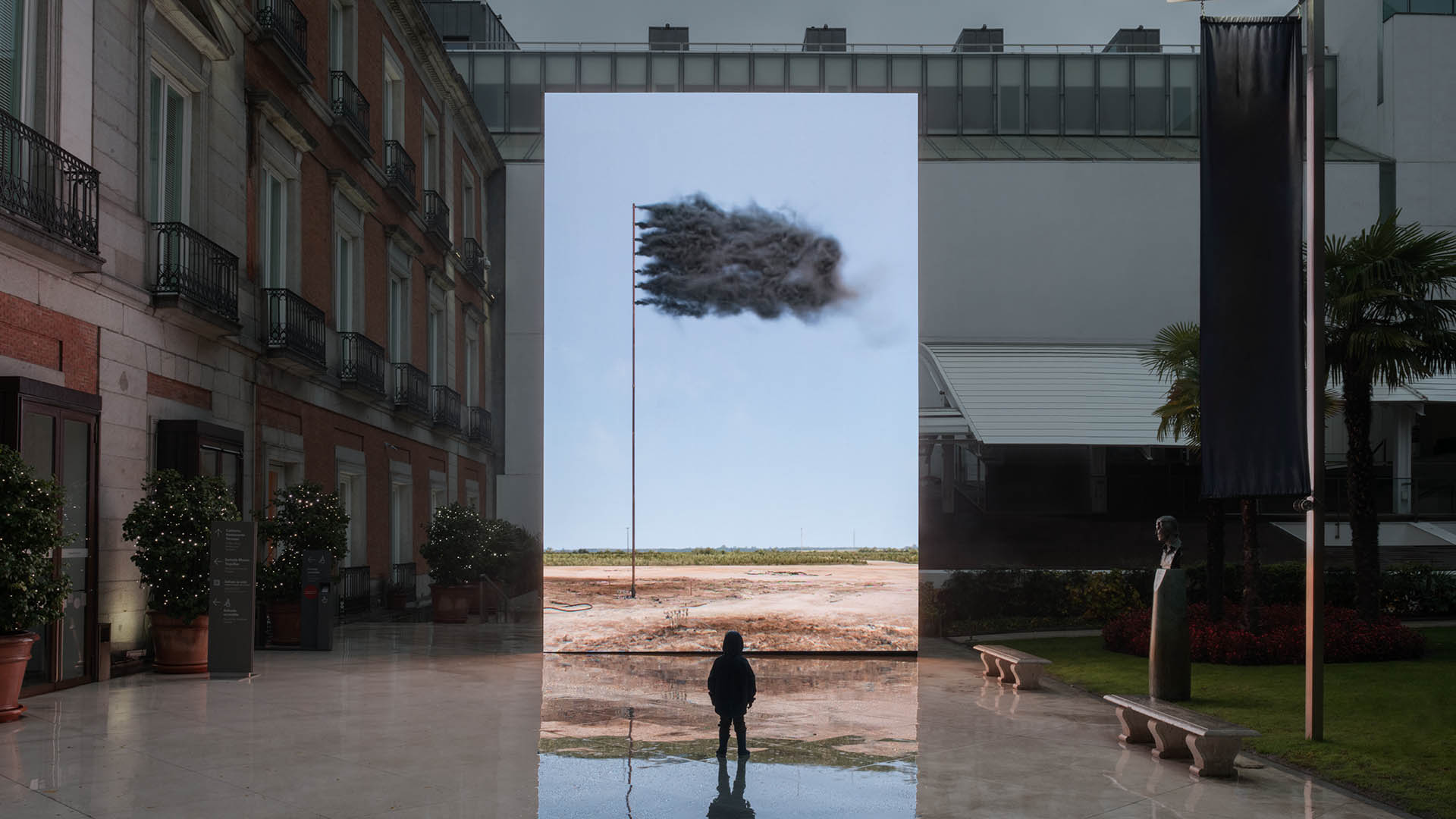
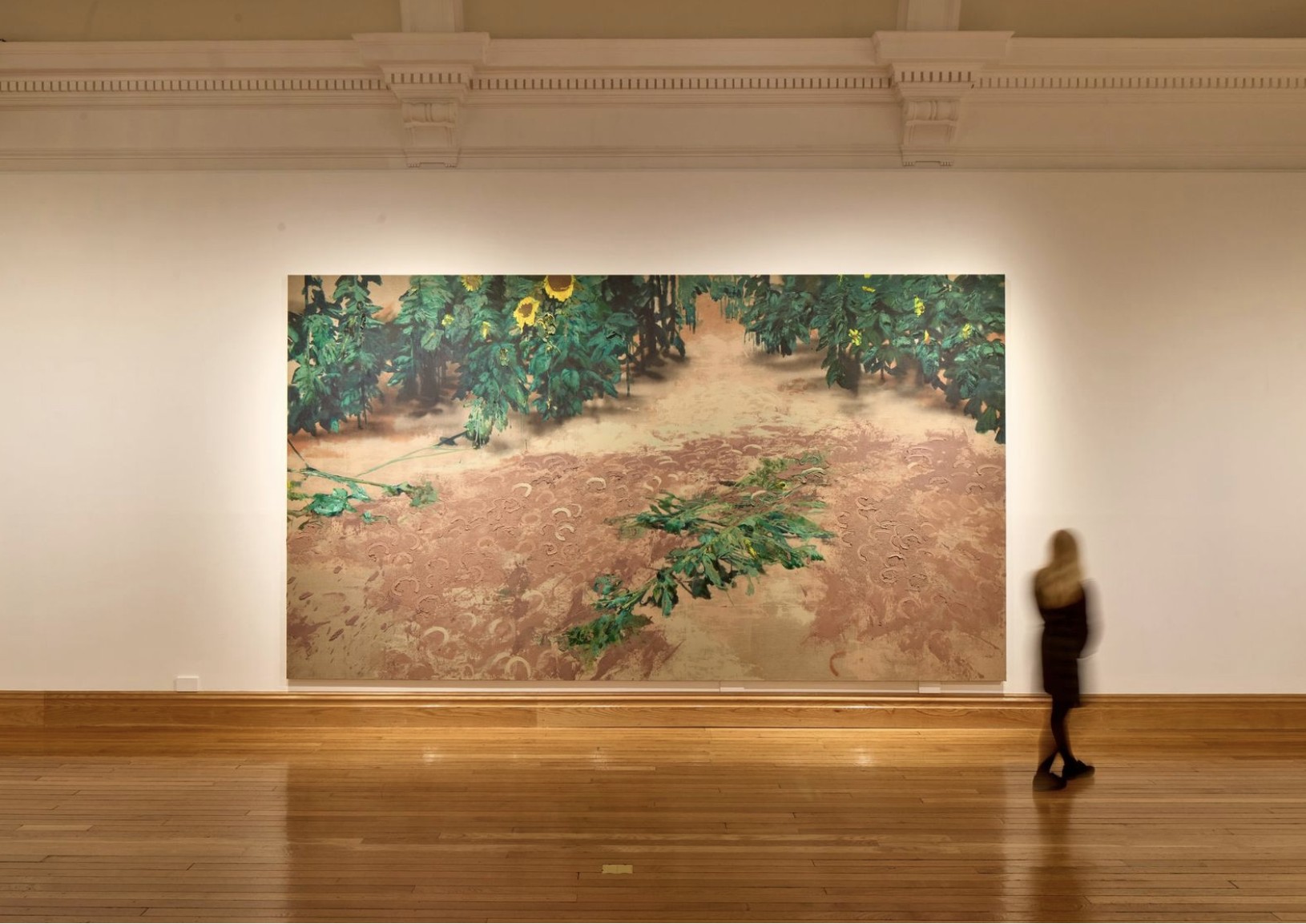
Massacre (2023), Mohammed SamiInstallation view at Turner Prize 2025, Cartwright Hall Art Gallery.Courtesy of the artist, Modern Art, London, and Luhring Augustine, New York.Photo © David Levene

The nomination recognised Kalu’s installation Hanging Sculpture 1–10. Barcelona, created for Manifesta 15 in 2024, where ten brightly coloured hanging sculptures were installed within a disused power station under the curatorial theme “Imagining Futures.” The contrast between the exuberant materiality of the works and the stark industrial setting proved visually striking, if conceptually restrained. Her presentation in Conversations at the Walker Art Gallery in Liverpool, featuring Drawing 21 (2021), further emphasised repetition and gesture as central elements of her practice.

Established in 1984, the Turner Prize remains one of the most closely watched—and debated—awards in contemporary art. Intended to stimulate public discussion around new developments in British art, the prize has evolved significantly over four decades, reflecting shifts in artistic practice as well as institutional priorities. Recent editions have placed increasing emphasis on social context, alternative modes of production and geographic decentralisation. The 2025 iteration, produced as part of Bradford UK City of Culture, continues this trajectory, positioning the prize within a broader cultural regeneration framework.

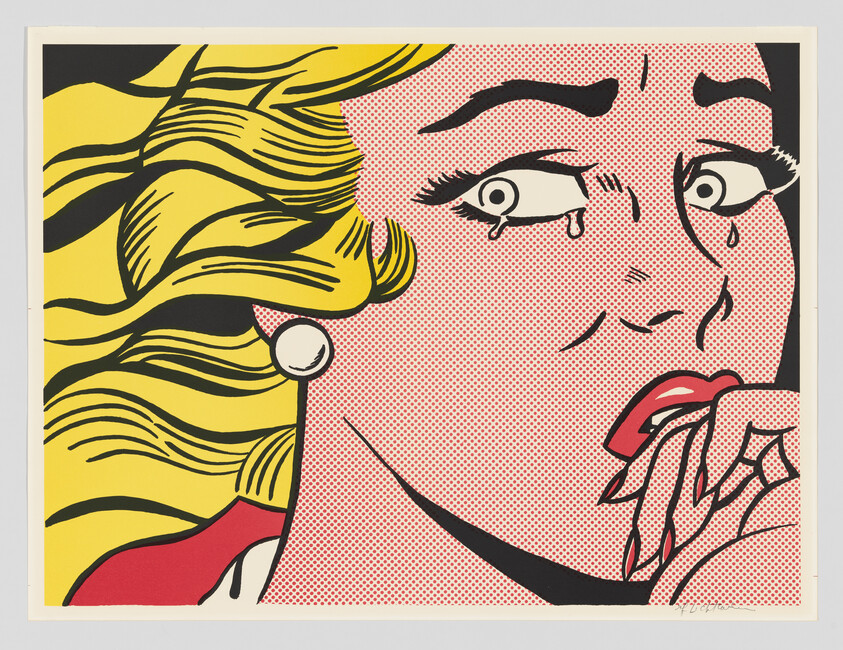
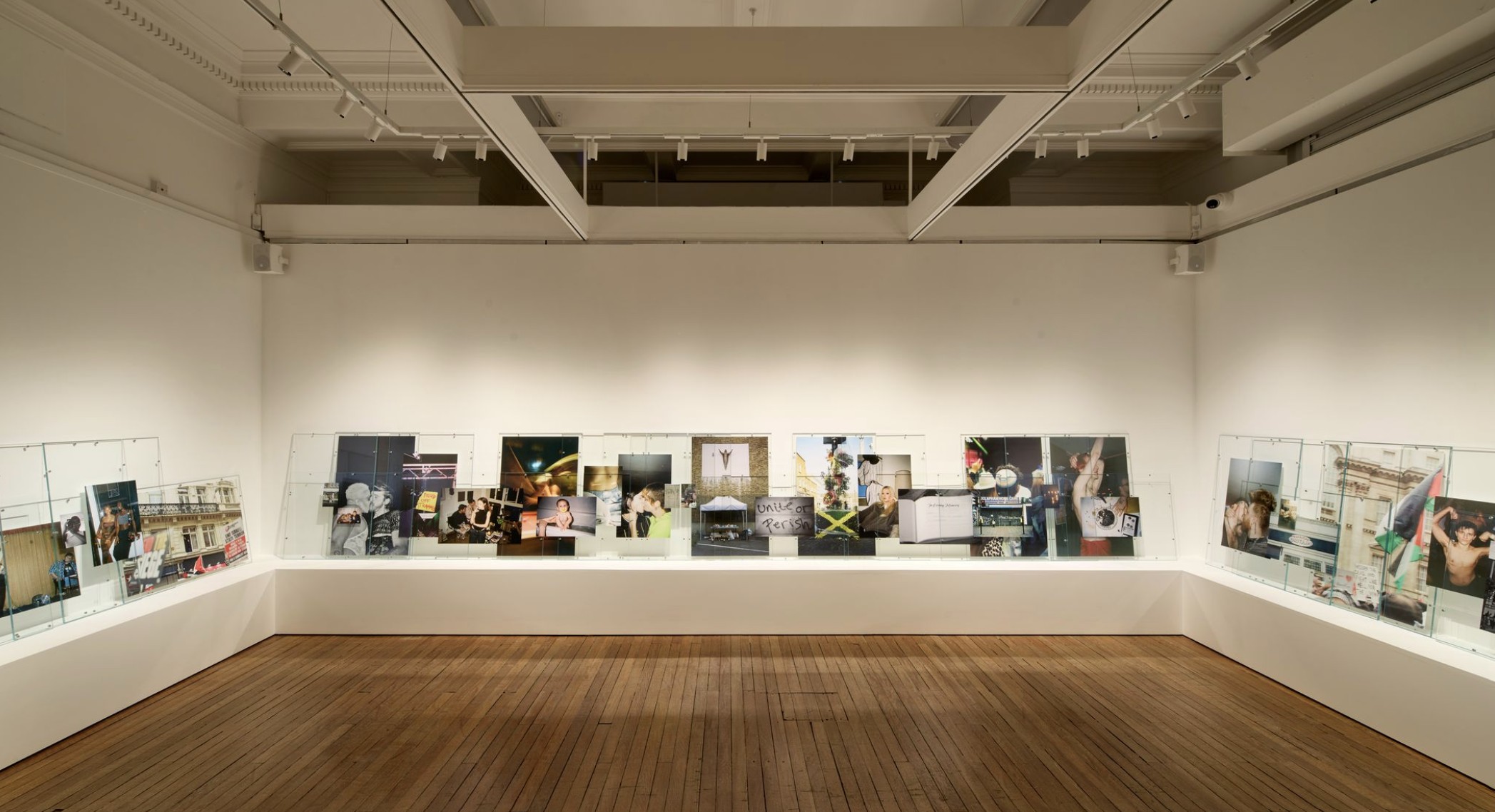
Feelings Wheel (2022–25), Rene MatićInstallation view at Turner Prize 2025, Cartwright Hall Art Gallery.Courtesy of the artist, Arcadia Missa, London, and Chapter NY, New York.Photo © David Levene

However, the exhibition as a whole adopts a measured tone. While professionally resolved and thoughtfully presented, it offers relatively little friction or critical risk. Kalu’s work stands out for its intensity and commitment, yet the wider selection stops short of articulating a clear argument about the future direction of contemporary British art. Instead, it reinforces a sense of consolidation—of practices that are institutionally legible, materially assured and broadly accessible.

The Turner Prize 2025 exhibition remains on view at Cartwright Hall Art Gallery until 22 February 2026. It is co-curated by Jill Iredale, Michael Richmond and Sophie Bullen, and delivered in partnership with Tate, Bradford District Museums & Galleries and Yorkshire Contemporary, with support from the John Browne Charitable Trust and The Uggla Family Foundation.

In 2026, the prize will move to MIMA in Middlesbrough, continuing its commitment to touring across the UK. For now, Nnena Kalu’s win marks a significant moment in her career and affirms the Turner Prize’s current orientation toward process-driven, materially focused practices—work that prioritises presence and persistence over polemic, and which continues to shape the evolving contours of British contemporary art.

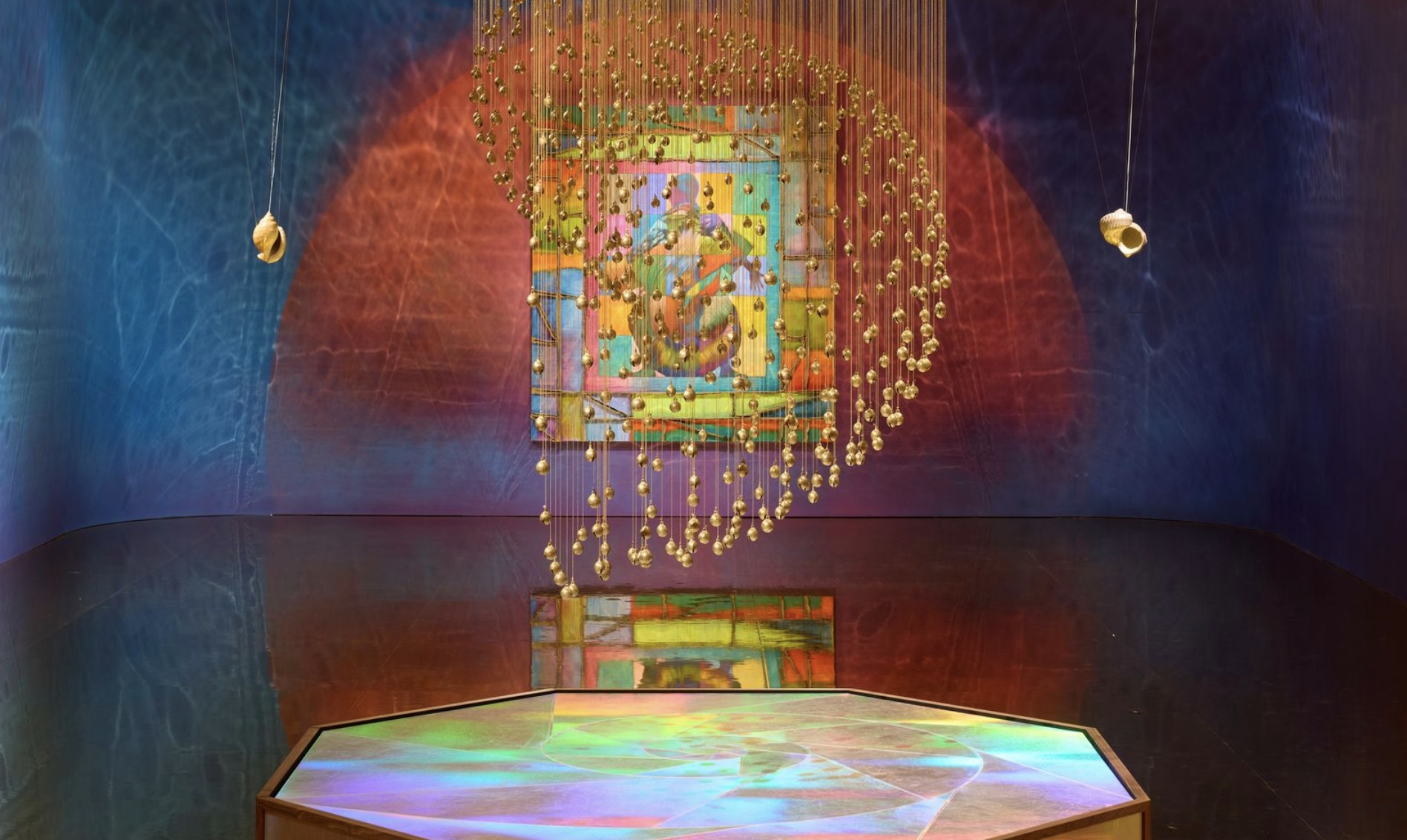
Installation view of Zadie Xa’s presentation at Turner Prize 2025, Cartwright Hall Art Gallery.Photo © David Levene
Date
Dec 13, 2025
Share

Latest Posts

Nnena Kalu’s Transformative Sculptures Win Turner Prize 2025

The Turner Prize 2025 has been awarded to Nnena Kalu. The winner of the £25,000 prize was announced this evening at a ceremony at Bradford Grammar School presented by magician Steven Frayne, formerly known as Dynamo, in Bradford, this year’s UK City of Culture, and broadcast live on BBC News.

Maria Balshaw to Step Down as Director of Tate in 2026

Tate has announced that Maria Balshaw will step down as Director in spring 2026, bringing to a close a nine-year tenure that has reshaped the institution’s public-facing mission, programming, and long-term strategy. Appointed in 2017, Balshaw leaves Tate at a moment of institutional stability, with major capital projects underway and a strengthened financial framework in place.

 Inside the IYP Collection: A Conversation with Irene Y. Panagopoulos

At a time when the art world chases spectacle, some pursue a more discreet—and far more meaningful—collecting mission. ARTCOLLECTORNEWS spoke with Irene Y. Panagopoulos, the vision behind the IYP Collection, as she opens her new public space.