
September 10, 2026
Exhibitions
Exhibitions

The first French exhibition devoted to Kerry James Marshall brings 70 works and eight new paintings to Paris, revealing why institutional importance and market recognition do not arrive at the same moment.
Inside an I.M. Pei apartment at Kips Bay Towers, an exceptional photography and design collection reveals a mature collecting problem: when every object is strong, editing becomes the real form of connoisseurship.
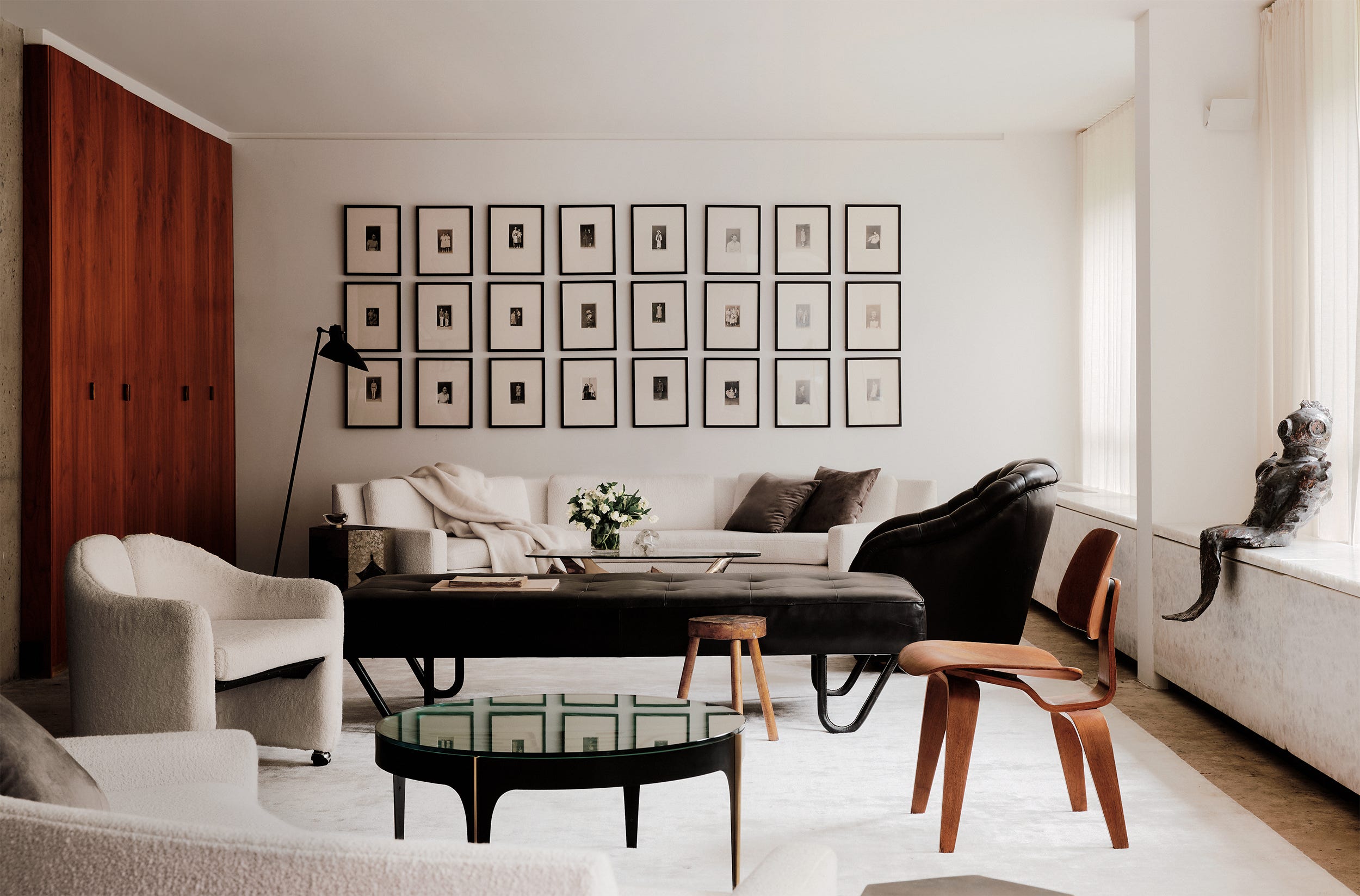
What happens when a collector’s problem is not a lack of good things, but too many of them? Inside an I.M. Pei apartment at Kips Bay Towers, photography and twentieth-century design offer a lesson in the collecting skill that receives far less attention than acquisition: editing.
There is a stage in collecting when buying becomes easier than arranging. The collector has learned the market, developed relationships, understood quality and accumulated enough confidence to act quickly. The house fills with objects that would each look exceptional in isolation. Then something unexpected happens: the collection begins to compete with itself.
That is the problem at the centre of a Manhattan apartment recently redesigned by Mike Rupp of Rupp Studio inside I.M. Pei’s Kips Bay Towers. The anonymous owner describes himself as “a mad collector.” His holdings include photography by Henri Cartier-Bresson and Robert Mapplethorpe alongside vintage furniture and objects by names including Charlotte Perriand, Milo Baughman, Gio Ponti, Jacques Adnet, Max Ingrand, Osvaldo Borsani and others. Before Rupp became involved, the owner told ELLE Decor, the rooms felt like “a series of beautiful objects shouting at one another.”
That is a more interesting design problem than simply making a house suitable for art. The objects were already good. The architecture was already significant. What was missing was hierarchy.
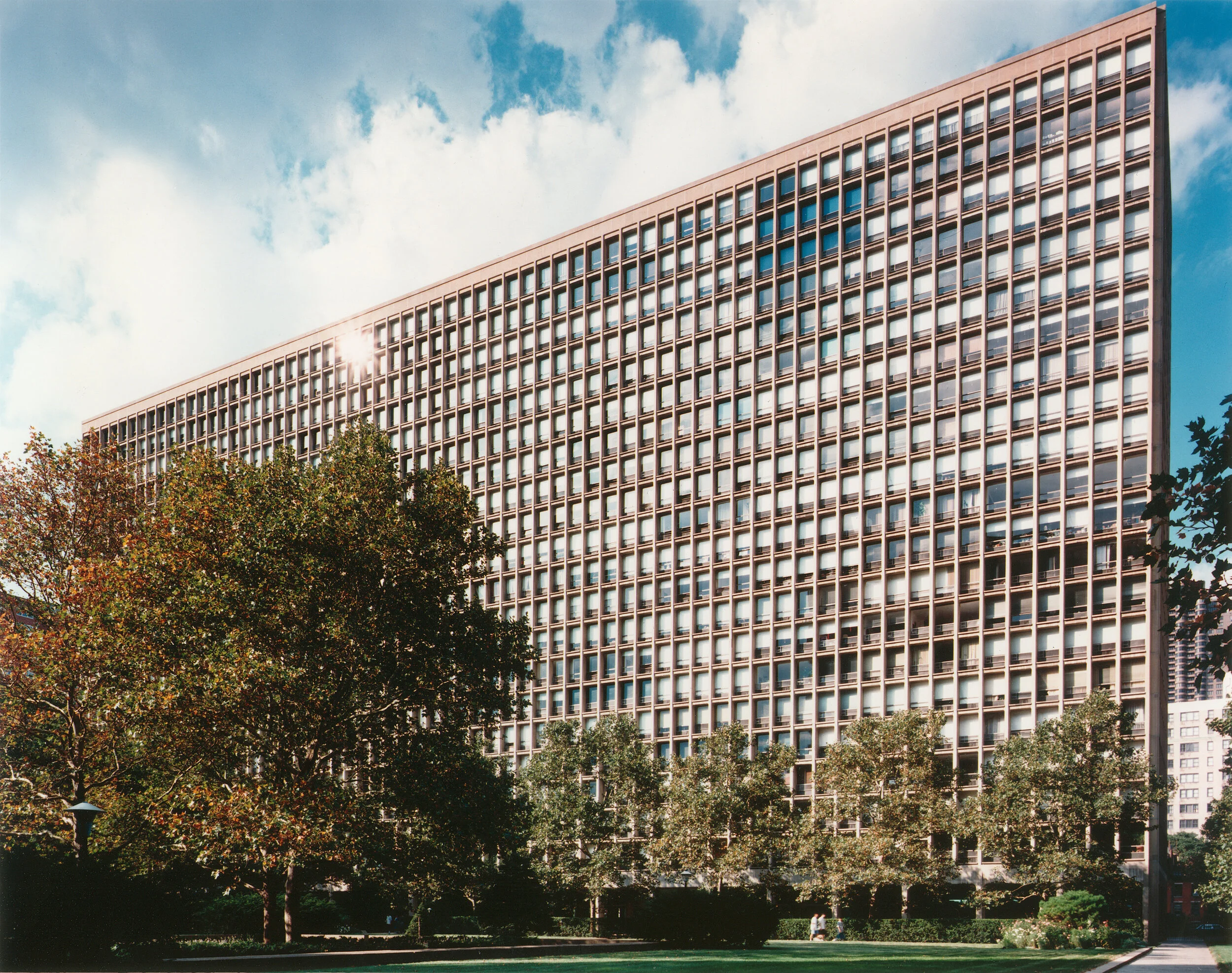
Kips Bay Towers was designed and constructed between 1960 and 1965 by I.M. Pei, S. J. Kessler and James Ingo Freed. Two concrete slab towers sit on a seven-acre site, with a three-acre private park between them. The official building history emphasises the practical consequences of the structure: tall ceilings, generous living areas and large windows that bring natural light deep into the apartments.
The complex is rigorous enough to tempt collectors into an easy assumption: important modernist architecture will automatically discipline important modernist objects. It does not. A grid can provide order at the scale of a façade while the interior still becomes visually noisy. Architecture gives the collection a field; somebody still has to compose within it.
By the time Rupp joined the project, architect Uli Wagner had already established a restrained material background inside the apartment: concrete floors, cantilevered stone counters, boxed windowsills and a sculptural bathroom. Those moves did not attempt to mimic Pei. They clarified the apartment’s own lines and gave strong objects enough visual resistance to avoid disappearing into decoration.
Rupp’s contribution was less about adding another design language than establishing rhythm. That word matters because rhythm depends on intervals. A collection becomes legible not only through what is present but through the distance, pause and sequence between things.
A mature collection can lose visibility through abundance. Editing is how the collector learns to see it again.
The living room is the project’s organising centre. Rupp conceived it as a modern salon rather than a static composition. A circular table by Max Ingrand for Fontana Arte, a daybed by Jacques Adnet, a chair by Eugenio Gerli for Tecno and a Milo Baughman sofa form a group without being forced into stylistic uniformity. Mike Disfarmer photographs and a sculpture by Sakari Kannosto introduce other periods and visual registers.
The decisive gesture is almost surprisingly ordinary: a large silk carpet. It expands the perceived footprint of the seating area and binds individual objects into a shared field. The furniture no longer performs as a row of collectible names. It becomes usable geography.
This distinction is important for ARTCOLLECTORHOMES because collectible design can easily be displayed in a way that undermines its own purpose. A chair placed like sculpture may look valuable but cease to participate in the room. A significant lamp can become a trophy rather than light. Rupp’s arrangement lets pedigree remain visible without requiring every object to announce itself.
The lesson is not that collectors should hide names. It is that great objects become more convincing when they establish relationships beyond authorship and price.
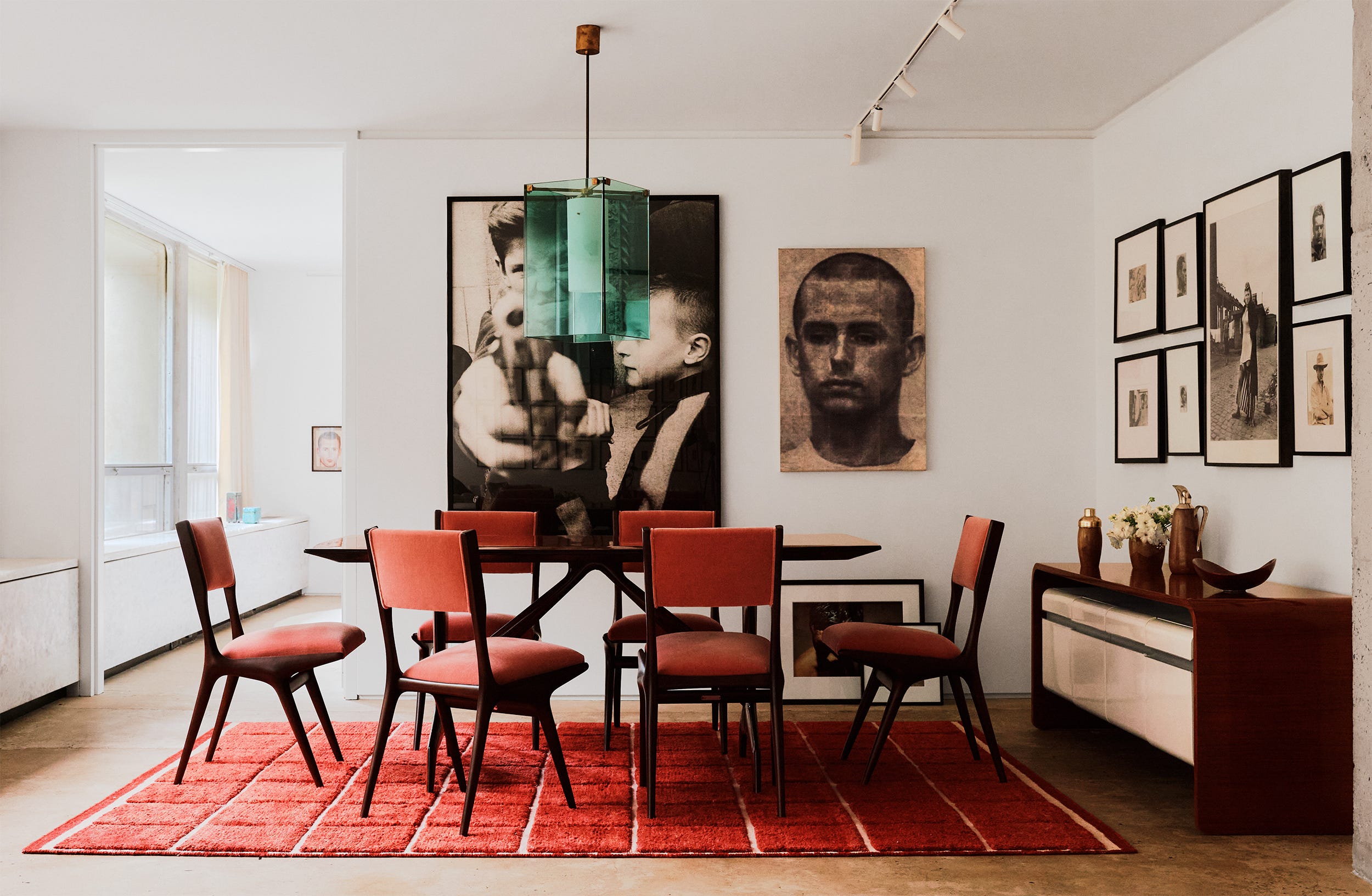
In the dining room, Carlo di Carli chairs surround a Gio Ponti table. A Michel Boyer credenza and Fontana Arte pendant introduce further design histories. On the walls are works by William Klein, Y.Z. Kami, Tina Modotti and Chim, the photographer David Seymour.
On paper, this can read like an inventory. In a room, it becomes a conversation about scale, bodies and looking. Photography rewards proximity. A dining table fixes the viewer at a recurring human distance. Chairs repeat around it like a rhythm section. The artworks are not encountered frontally at museum pace; they are lived beside across meals and conversations.
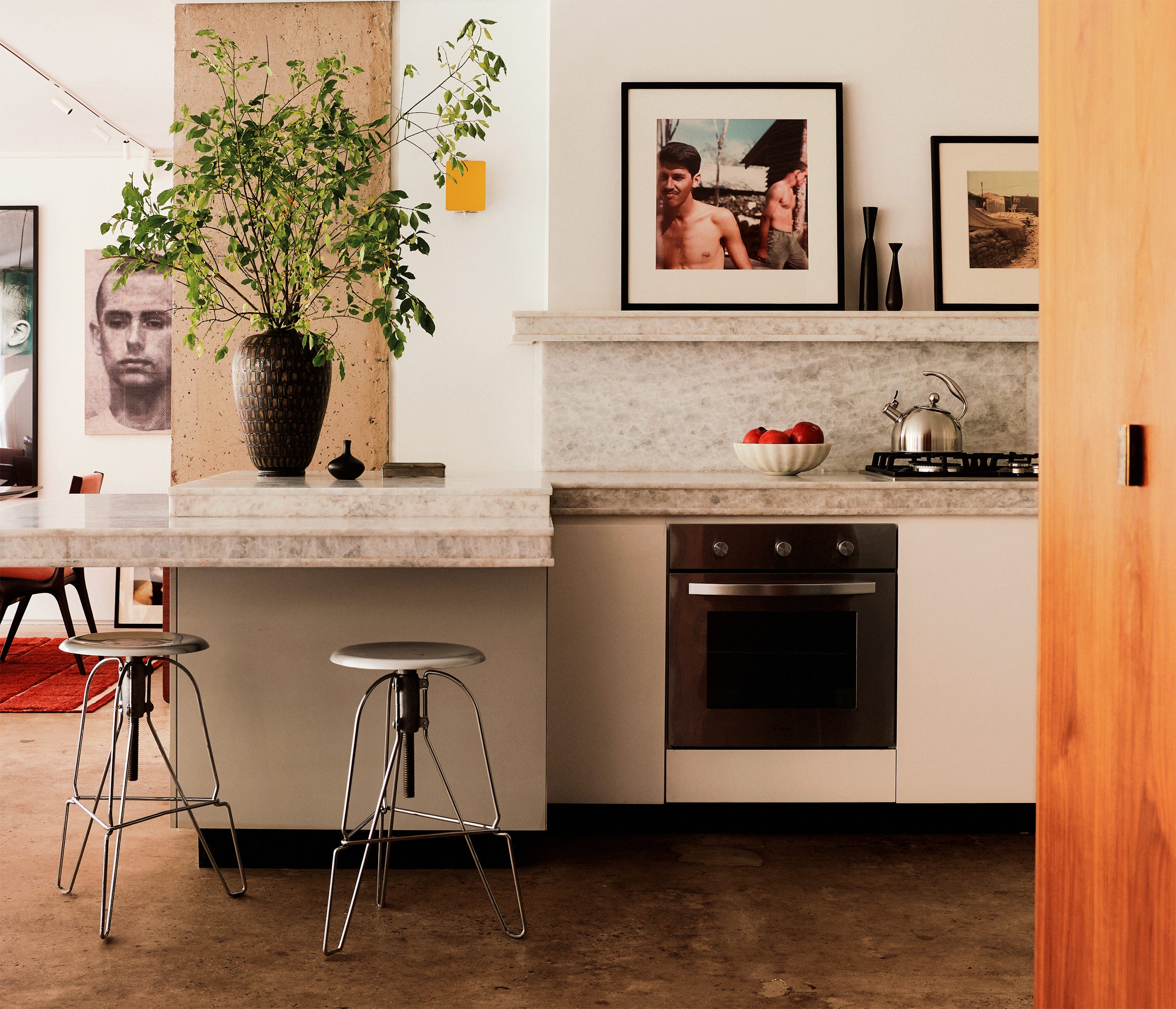
This is one reason cross-category collecting can become richer at home than at a fair. Market categories separate photography, modern design, ceramics and furniture because each has specialists, histories and price structures. Domestic space does not have to respect those departments. It can ask whether two objects strengthen one another visually or conceptually even if they would never be catalogued together.
That freedom requires discipline. If every room becomes a demonstration of range, the home collapses into permanent fair booth. The Kips Bay apartment works because not every object receives the same volume.
The bedroom makes the point differently. A painting by Y.Z. Kami and photograph by Robert Mapplethorpe are paired with a bed by Osvaldo Borsani, a Gio Ponti bench and Hans Hedberg boxes. Compared with the living room, the register is quieter. The arrangement acknowledges that an artwork experienced every morning and evening performs differently from one placed in a social room.
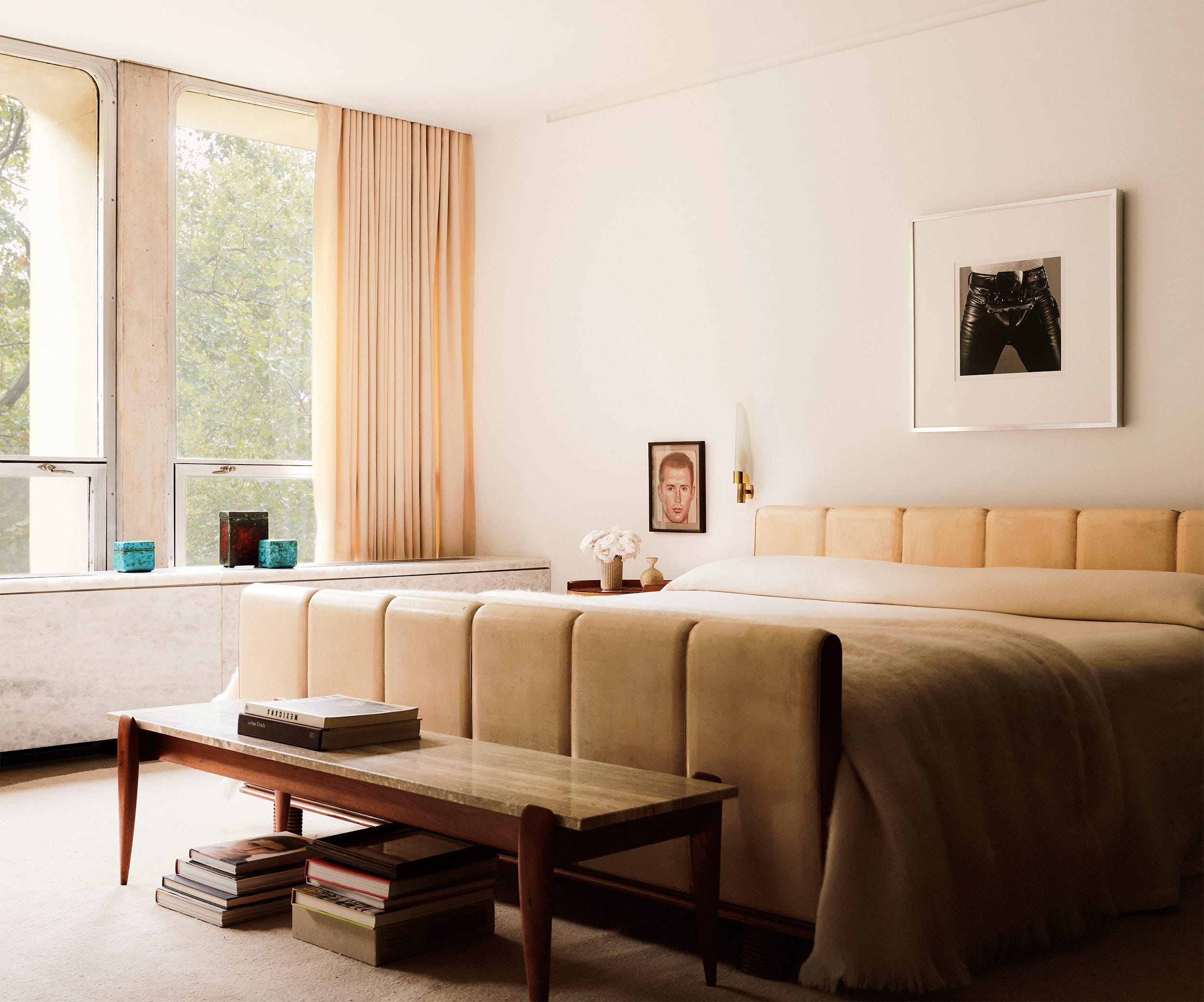
Collectors sometimes resist that kind of hierarchy because it can sound like ranking works by importance. But hierarchy in a home is temporal as well as financial. Some pieces benefit from continual peripheral vision. Others need isolation. Some can withstand the visual activity of a dining room; others become stronger beside a bed. An installation plan should therefore consider duration and routine, not just dimensions.
Rotation can be equally important. A mature collection rarely fits on the walls at once, and trying to force it to do so can diminish everything. Storage need not mean exile. It can allow the visible collection to change, reintroducing works after periods of absence and preventing familiarity from becoming invisibility.
The temptation with a Pei building is to make the architect the protagonist. Kips Bay Towers certainly deserves attention. Its concrete grid, deep façade and large windows give the apartments a strong structural identity; the landscaped open space between the towers remains unusually generous for Manhattan. The complex also received recognition soon after completion, including a 1965 Albert S. Bard Award and federal honours for residential and urban-renewal design.

But good collecting does not require the interior to become a period reconstruction of 1965. The apartment succeeds because the architecture sets constraints without dictating taste. Mid-century pieces coexist with later photography and contemporary work. The grid outside does not require a grid on every wall.
This is a useful principle for collectors buying architecturally significant homes. Respect does not mean mimicry. The better question is what the building does unusually well. At Kips Bay, large openings, concrete structure and clear spans create scale and light. A collector can work with those attributes while allowing the collection to remain historically heterogeneous.
The art market devotes enormous energy to acquisition: finding, authenticating, negotiating, winning, placing. Far less is said about what happens when the collector has already succeeded. Yet an important collection can be weakened by poor internal editing just as surely as it can by a weak purchase.
Editing asks different questions. Which objects need to be separated? Which relationships are accidental but productive? Where has scale become monotonous? Does every major wall need a major work? Are pieces being displayed because they are loved or because they are expensive? Has collectible furniture been turned into sculpture by anxiety about using it? Can a room contain one quiet object without adding another to “balance” it?
These are curatorial questions, but a home adds something museums do not have: repetition across years. The collector can test an arrangement, live with it, discover that a work becomes invisible, move it, and understand it again. Domestic display is an evolving form of connoisseurship.
Photograph every hang: installation images create a record of how relationships within a collection change over time.
Plan by scale before name: map dimensions, sightlines, natural light and traffic before deciding which “important” work gets the important wall.
Use rotation deliberately: a work in storage is not necessarily neglected; planned rotation can protect sensitive material and renew attention.
Let design work: collectible furniture should be assessed for condition and use requirements, but turning every chair into a no-touch object can destroy the domestic logic that made it interesting.
Keep categories porous: photography, furniture, ceramics and sculpture can form stronger relationships at home than departmental market labels suggest.
After Rupp’s intervention, the owner described coming home as a deep exhale. The phrase risks sounding simply therapeutic, but it identifies a genuine collecting achievement. Nothing important had to be made less important. The collection needed enough structure for each thing to stop competing for proof of significance.
That may be the mature collector’s next challenge. Early collecting is often about learning to recognise quality. Later collecting is about understanding that quality alone does not make a collection coherent.
The Kips Bay apartment shows what happens when architecture and interior design become editing tools. Pei provides the grid. Wagner clarifies the surfaces. Rupp establishes rhythm. The collector supplies the objects and, perhaps most importantly, accepts that not all of them need to speak at once.
The first French exhibition devoted to Kerry James Marshall brings 70 works and eight new paintings to Paris, revealing why institutional importance and market recognition do not arrive at the same moment.
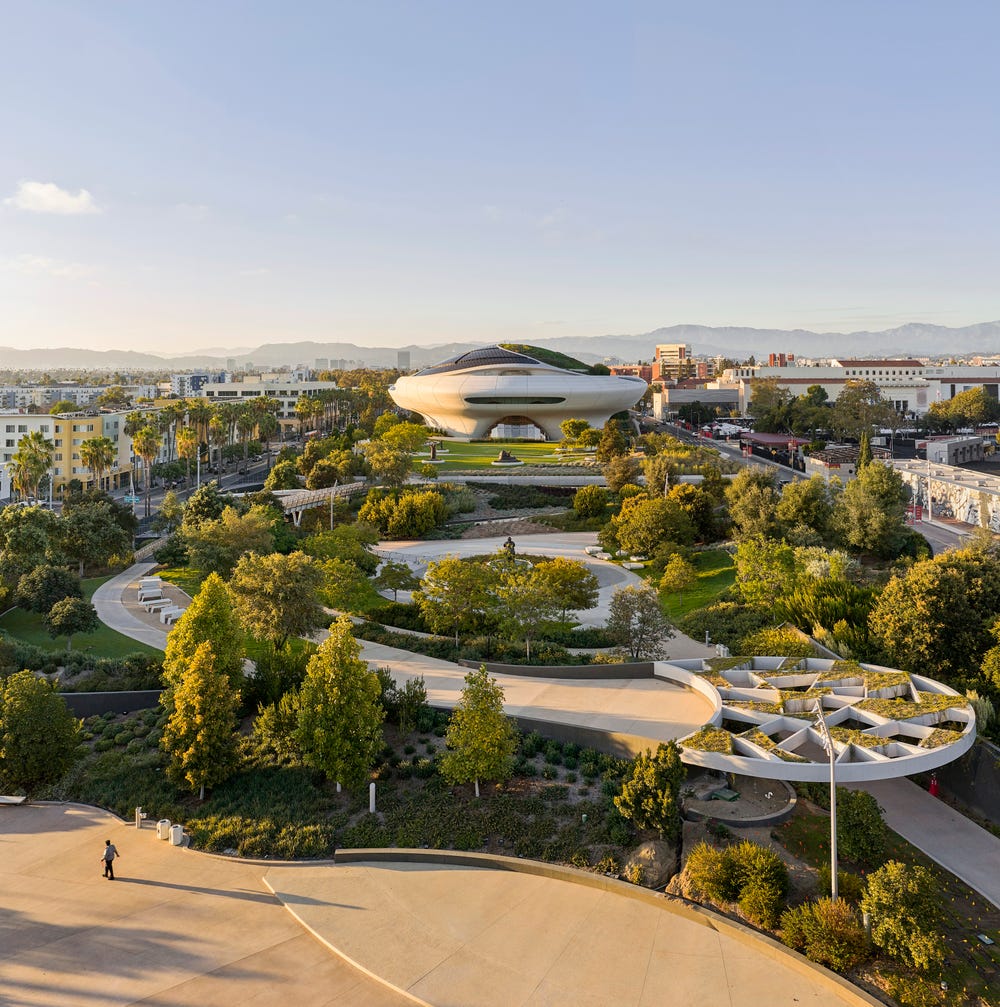
Opening 22 September, the Lucas Museum of Narrative Art turns George Lucas and Mellody Hobson’s cross-category collecting philosophy into a major public institution.
Inside an I.M. Pei apartment at Kips Bay Towers, an exceptional photography and design collection reveals a mature collecting problem: when every object is strong, editing becomes the real form of connoisseurship.