LATEST NEWS:
Jenny Holzer & Andy Goldsworthy win 2026 Praemium Imperiale • €9m Renoir museum heist in France • Dimitris Daskalopoulos donates 51 works to museums in Greece & Scotland • Artist Lucien Smith dies aged 37 • Faro Santander opens with 1,000-work collection • Argentina orders return of Nazi-looted Old Master • Greece rejects Parthenon Marbles loan request • Smithsonian chief Lonnie Bunch announces retirement
Go Back
Magazine

The Sublime Underground: Anish Kapoor Redefines Naples’ Transit

Anish Kapoor’s Monte Sant’Angelo station in Naples turns the underground into a sculptural journey.

Articles
Articles
The Sublime Underground: Anish Kapoor Redefines Naples’ Transit

In the heart of Naples, beneath the everyday rush of commuters, Anish Kapoor has carved out a subterranean myth. The Monte Sant’Angelo station, unveiled on 11 September 2025, is far more than a metro stop—it is an experience, a monumental work of public art that transforms transit into ritual, and infrastructure into sculpture. Conceived over two decades ago as part of a broader effort to rejuvenate the Traiano district, the station connects the University of Naples Federico II campus with the surrounding neighborhood, positioning Kapoor’s work at the crossroads of civic necessity and artistic ambition.

Approaching the station, one is immediately struck by the contrast of its twin entrances. The University portal, constructed from weathering steel, seems to swell from the earth itself, like a geological upheaval frozen in time, or the contours of a living body pressed against stone. Across the city, the Traiano entrance presents a polished, tubular counterpart, sleek and almost surgical, a visual foil to the rawness of its sibling. Together, these thresholds embody Kapoor’s enduring fascination with the void, the body, and mythological forms, transforming the act of entering a metro station into an encounter with something uncanny and monumental.

Inside, the journey continues. The walls of the station are raw and tactile, composed of concrete, steel, and stone that reject ornamental distraction, leaving the materiality itself to speak. Light and shadow move across these surfaces like part of the artwork, turning descending into the station into a subtle performance, a quiet meditation on movement, scale, and transformation. Kapoor has reflected that working in Naples—a city shaped by the shadow of Vesuvius, by centuries of layered history, and by Dante’s literary imagination—prompted him to consider the subterranean as more than functional: as a space for narrative, emotion, and presence.

In the city of Mount Vesuvius and Dante's mythical entrance to the Inferno, I found it important to try and deal with what it really means to go underground.

Monte Sant’Angelo extends Naples’ celebrated tradition of “art stations,” joining an urban lineage that includes works by Oscar Niemeyer, Mimmo Paladino, and Sol LeWitt. Yet Kapoor’s contribution is unique in its sheer sculptural ambition. The University entrance alone rises 19 meters and weighs some 220 tonnes, asserting itself as an unmistakable landmark, while the smoother Traiano entrance offers a quiet, complementary counterpoint. Together, they create a dynamic encounter that invites commuters to pause, to reflect, and perhaps to reconsider the ordinary act of moving through a city. Observers have likened the entrances to fissures, mouths, or even geological wounds, reinforcing Kapoor’s interest in thresholds, transformation, and the uncanny.

For collectors and enthusiasts, the station is a reminder of Kapoor’s global resonance. From Cloud Gate in Chicago to reflective installations in Versailles, Kapoor has long explored how sculpture can inhabit and transform space. Monte Sant’Angelo carries this ambition into civic infrastructure, demonstrating that public art can be simultaneously monumental, poetic, and socially engaged. Critics have hailed it as one of Kapoor’s most compelling works in recent years—a rare instance where the scale, ambition, and context converge to elevate the ordinary into something profoundly extraordinary.

In situating Kapoor’s work within Naples’ network of art-focused metro stations, the city asserts itself as a European capital of urban creativity, alongside Stockholm, Paris, and Madrid. Monte Sant’Angelo does more than move people; it moves them imaginatively, offering a glimpse of how contemporary art can animate public space and embed narrative into the very rhythms of urban life. For collectors, curators, and admirers of Kapoor’s oeuvre, the station is a vivid testament to the transformative power of art in the public realm—a rare, tangible convergence of vision, scale, and civic ambition that turns a daily commute into an encounter with wonder.

Date
Sep 17, 2025
Share

Latest Posts

September 23, 2026
Exhibitions
Exhibitions
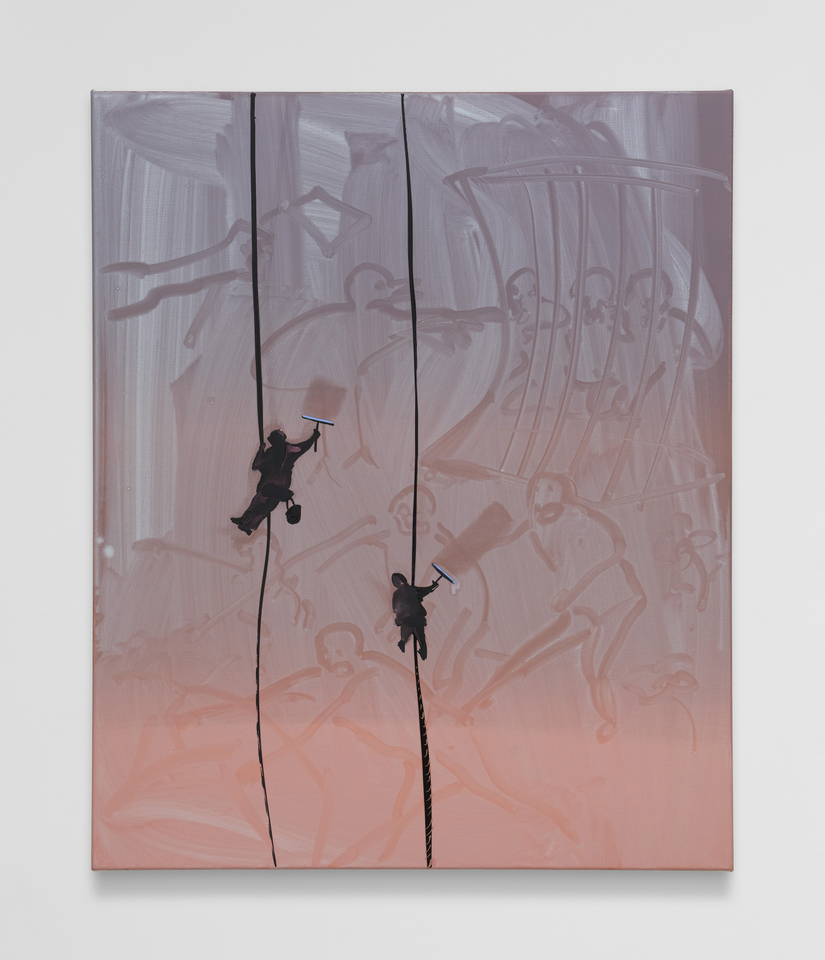
Tala Madani’s Control X: Why Painting Needs Things to Go Wrong

Tala Madani’s new paintings and animations turn cutting, erasure and reconstruction into a language of power. Using fresh artist testimony alongside the exhibition material, we examine why the work is funniest when control starts to fail.
September 23, 2026
Exhibitions
Exhibitions
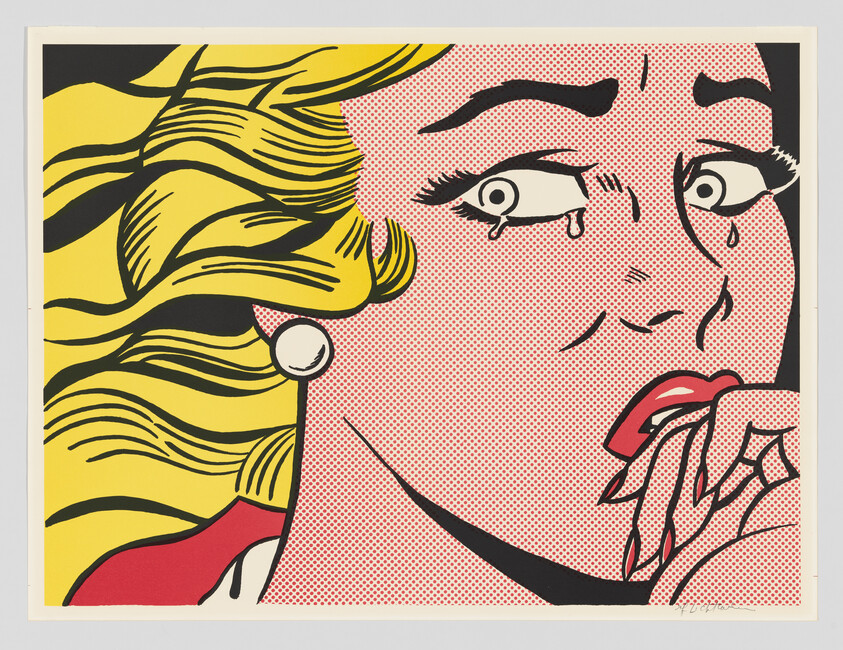
Roy Lichtenstein: Why the First New York Retrospective in More Than 30 Years Matters to Collectors

The Whitney’s first Lichtenstein retrospective in New York in more than thirty years reunites his landmark 1962 Castelli debut and follows the artist across six decades. For collectors, it is a timely chance to look beyond the market’s early-Pop hierarchy and reconsider the full intelligence of the oeuvre.

September 22, 2026
Articles
Articles
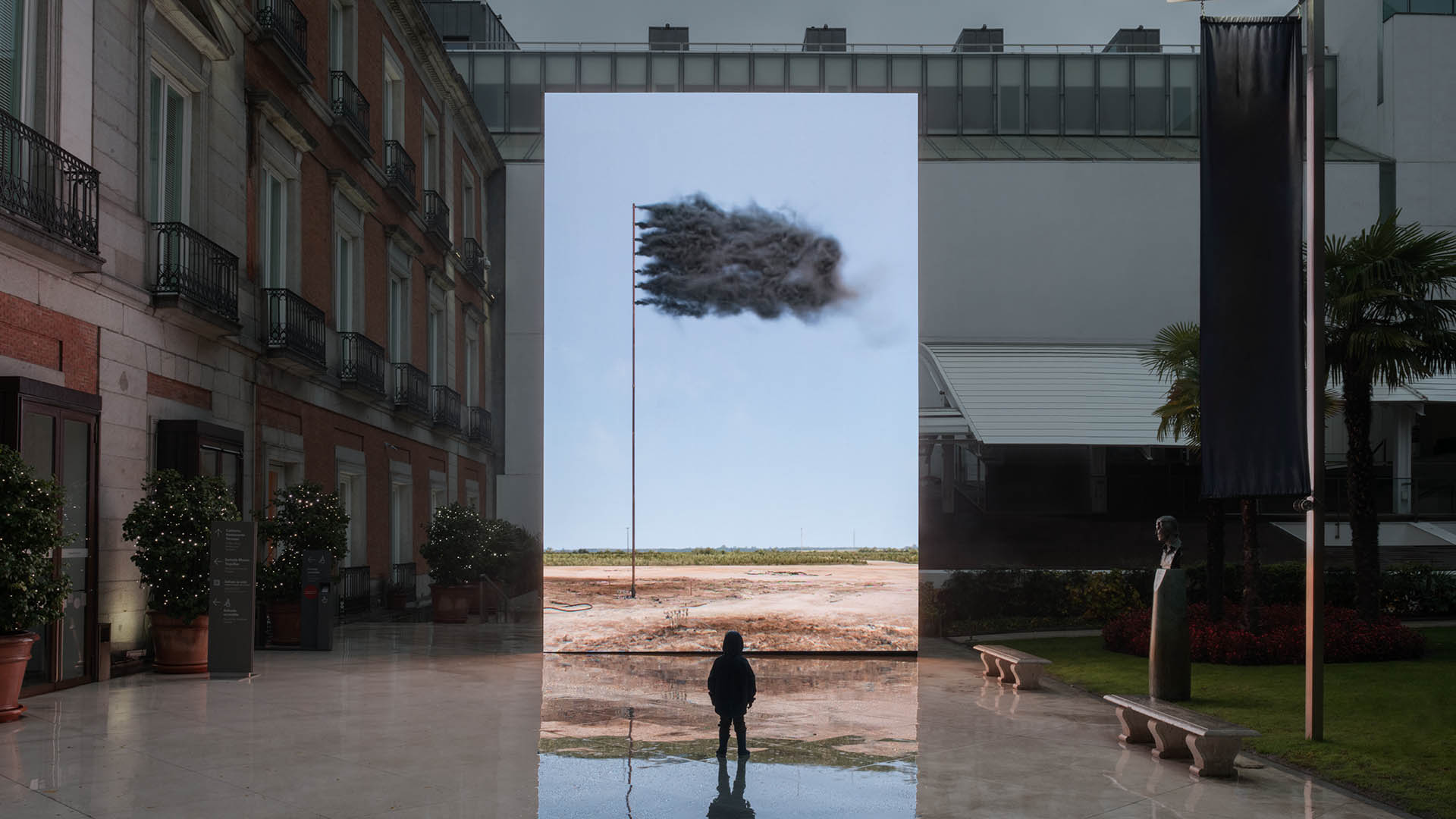
Four Generations of Collecting: How the Thyssen Family Is Building a Museum for the 21st Century

Francesca Thyssen-Bornemisza and her heirs are transferring 186 TBA21 works into Spanish public ownership and lending 179 more. The deeper story is how four generations of one collecting family have repeatedly redefined what legacy can mean.